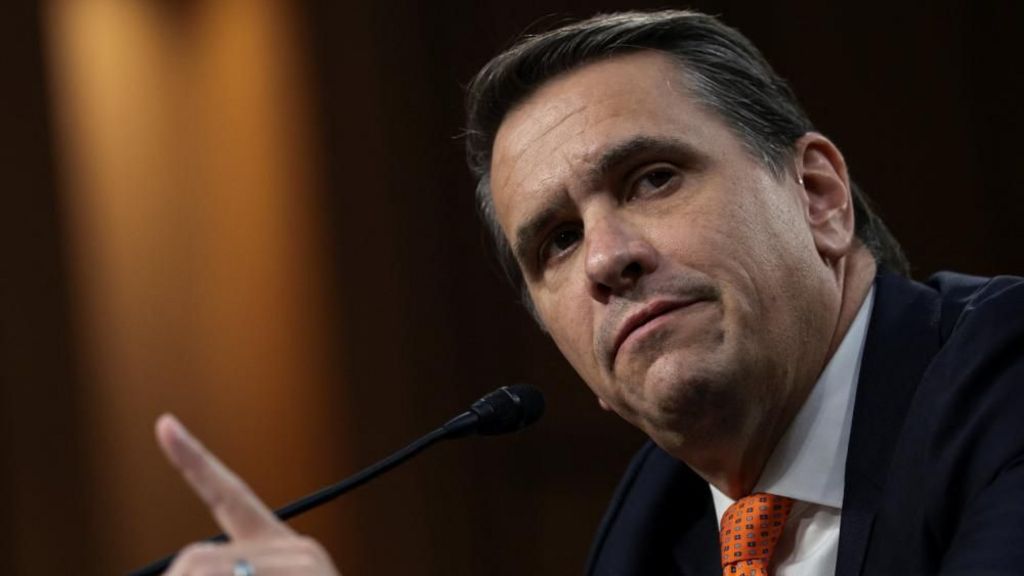
A months-long political standoff over the permanent appointment of U.S. Acting Attorney General Todd Blanche has taken a critical turn, after Blanche formally abolished a controversial administration-proposed fund that had derailed his confirmation for weeks. The proposal, once tied to a legal settlement between President Donald Trump and the Internal Revenue Service, had sparked bipartisan backlash over fears it would open the door to compensating rioters charged in the January 6, 2021 U.S. Capitol attack.
First unveiled earlier this year as part of a $1.8 billion “anti-weaponization” plan attached to Trump’s lawsuit against the IRS over the leak of his personal tax returns, the fund was framed by the administration as a mechanism to compensate allies who claimed they faced politically biased prosecutions under previous presidential administrations. Beyond Capitol riot defendants, the original deal also included provisions that would have shielded Trump, his family members and their private business entities from future IRS audits of past tax filings.
The proposal faced immediate pushback from across the political spectrum. Democrats uniformly condemned the plan as a self-serving giveaway to Trump allies that would reward people convicted of violent actions during the Capitol riot. Even some Republican lawmakers raised sharp concerns, with two GOP senators — John Cornyn and Thom Tillis — blocking Blanche’s confirmation vote over verbal assurances that the fund had been scrapped. The pair argued that public statements were not enough to guarantee the plan would not be revived later, and demanded formal, written confirmation that the proposal was permanently dead, alongside changes to the IRS immunity language that narrowed its overly broad scope.
In a series of posts to X Sunday evening, Blanche addressed both of the holdouts’ core concerns. The acting attorney general wrote that he had held multiple closed-door meetings with Senate Judiciary Committee members over recent weeks to answer outstanding questions and resolve lingering worries. Attached to one post was an official signed order stating clearly: “This Order establishes, beyond any doubt, that there is no Fund.” In a second post, Blanche confirmed he had revised the language around IRS audit protection to narrow its scope, meeting the senators’ demand for clarification.
A spokesperson for Cornyn confirmed to CBS News, the U.S. partner of the BBC, that the senator had reached a formal agreement with the Department of Justice on the issue, clearing the path for a confirmation vote. Tillis has not yet issued an official public response to Sunday’s developments, but prior comments from the senator left little doubt about his opposition to the original fund: he previously described the proposal as a “payout pot for punks” and called the confirmation impasse “unfortunate”, noting he viewed Blanche — Trump’s former personal lawyer — as qualified for the role despite his objections to the plan.
Trump himself had sent mixed signals about the plan and Blanche’s nomination in the days leading up to Sunday’s announcement. On Friday, he told reporters the fund was “dead”, but just days later threatened to revive the proposal if Senate Republicans failed to advance Blanche’s confirmation. He also openly floated the idea of withdrawing Blanche’s nomination entirely after weeks of stalled negotiations.
Now, the Senate Judiciary Committee is scheduled to hold a meeting Tuesday that is expected to include a formal vote on advancing Blanche’s nomination to the full Senate for a final confirmation vote. The formal abolition of the fund removes the last major barrier to Blanche taking the role of attorney general on a permanent basis, ending a weeks-long intra-Republican standoff that had put the nomination in doubt.