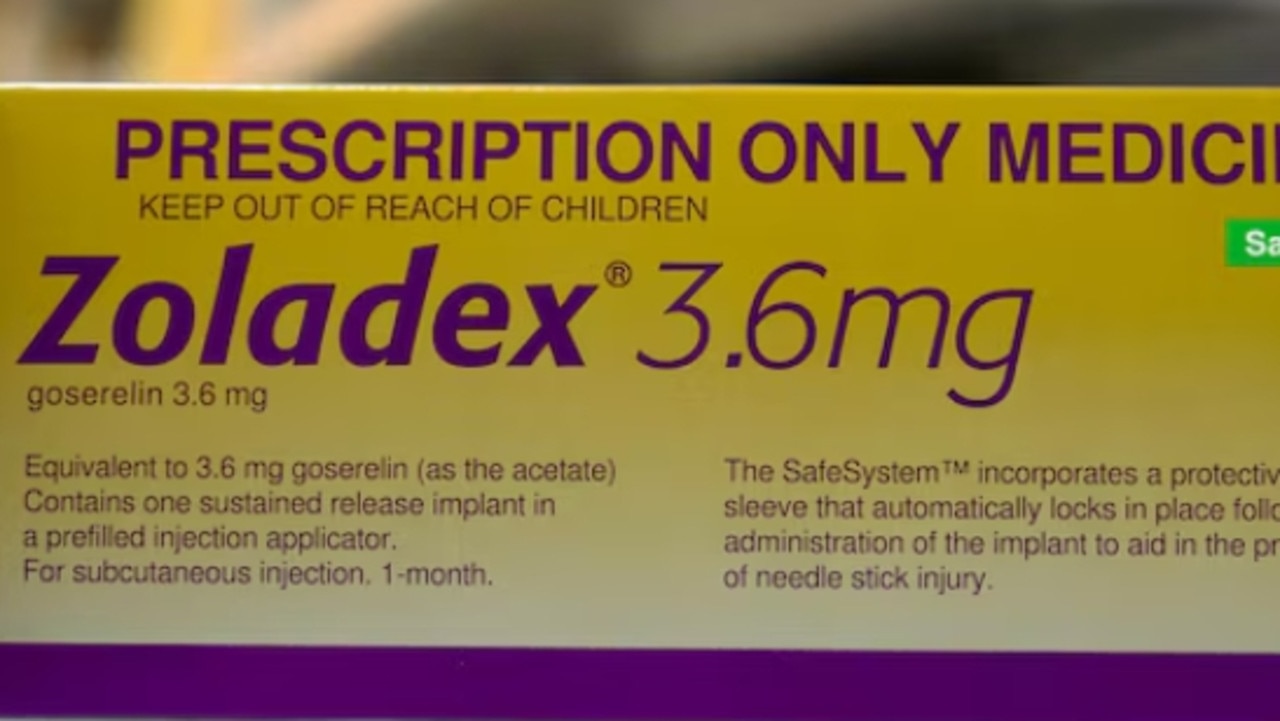
Following intense public and patient advocacy that gathered tens of thousands of signatures, pharmaceutical giant AstraZeneca has reversed its plan to fully pull the monthly 3.6mg dose of lifesaving drug Zoladex from the Australian market, announcing Friday it will provide the hormone-suppressing treatment free of charge to eligible patients starting November 2026.
Zoladex, generic name goserelin, is a core treatment for multiple serious conditions: it lowers sex hormone levels to slow the growth of prostate cancer in men, and treats breast cancer and severe endometriosis in women. The 3.6mg monthly implant, which delivers a steady dose of the drug via a small pellet injected under the skin, was previously listed on Australia’s Pharmaceutical Benefits Scheme (PBS), the federal government’s subsidized drug program that makes critical medications affordable for patients.
In a statement explaining the original planned withdrawal, AstraZeneca noted that the current pricing structure of the PBS made continued supply of the 3.6mg dose through the scheme financially unsustainable, as the subsidized price offered by the program was too low to support ongoing production and distribution. The company had initially scheduled the dose to be removed from both the PBS and the private Australian market entirely this November, a decision that sparked immediate and widespread outrage from patients, clinicians and cancer advocacy groups.
Patients launched a public Change.org petition demanding AstraZeneca reverse its withdrawal and create a clear transition plan for people relying on the drug for ongoing care. The petition quickly went viral, racking up more than 40,000 signatures and more than 20,000 shares across social media. “No one should find out through the news that a medication forming part of their treatment plan may be taken away,” the petition read. “No patient should be left wondering whether their care will be interrupted. No doctor should be forced into rushed treatment changes because of a corporate decision.”
The pressure campaign pushed AstraZeneca to revise its plan. Under the new continuity program, patients who do not have a suitable alternative treatment pathway will still be able to access the 3.6mg monthly implant for free starting November 2026. While the reversal has been welcomed by patients, key cancer advocacy groups and clinical leaders warn the arrangement is not a permanent or sustainable solution.
Breast Cancer Network Australia (BCNA), one of the country’s leading patient advocacy organizations, issued a statement noting that critical questions around long-term access, administrative practicality and long-term cost stability remain unanswered, creating ongoing uncertainty for thousands of vulnerable patients. “While this update offers some guidance on how eligible patients might continue accessing the monthly option once it is off the PBS, it isn’t a long-term fix,” the group said.
Currently, a higher 10.8mg dose of Zoladex, which only needs to be administered once every three months, is available on the private market, but it is not covered by PBS subsidies. Following the public backlash over the 3.6mg withdrawal, AstraZeneca has submitted an application to add the higher 10.8mg dose to the PBS scheme. Even so, clinical leaders argue that the entire situation highlights the risk of allowing global corporate commercial decisions to undermine evidence-based best practice care for Australian patients.
Jenny Gilchrist, an experienced breast oncology nurse, praised the unified advocacy efforts of clinicians and BCNA that pressured AstraZeneca to revise its plan, but emphasized the changes remain unacceptable for patients. “After the announcement that Zoladex 3.6mg was being withdrawn from the market, clinicians and Breast Cancer Network Australia stood together, moved quickly and spoke with one clear united voice. This is unacceptable,” Gilchrist said. “Global commercial decisions must not be allowed to undermine best practice care here in Australia.”