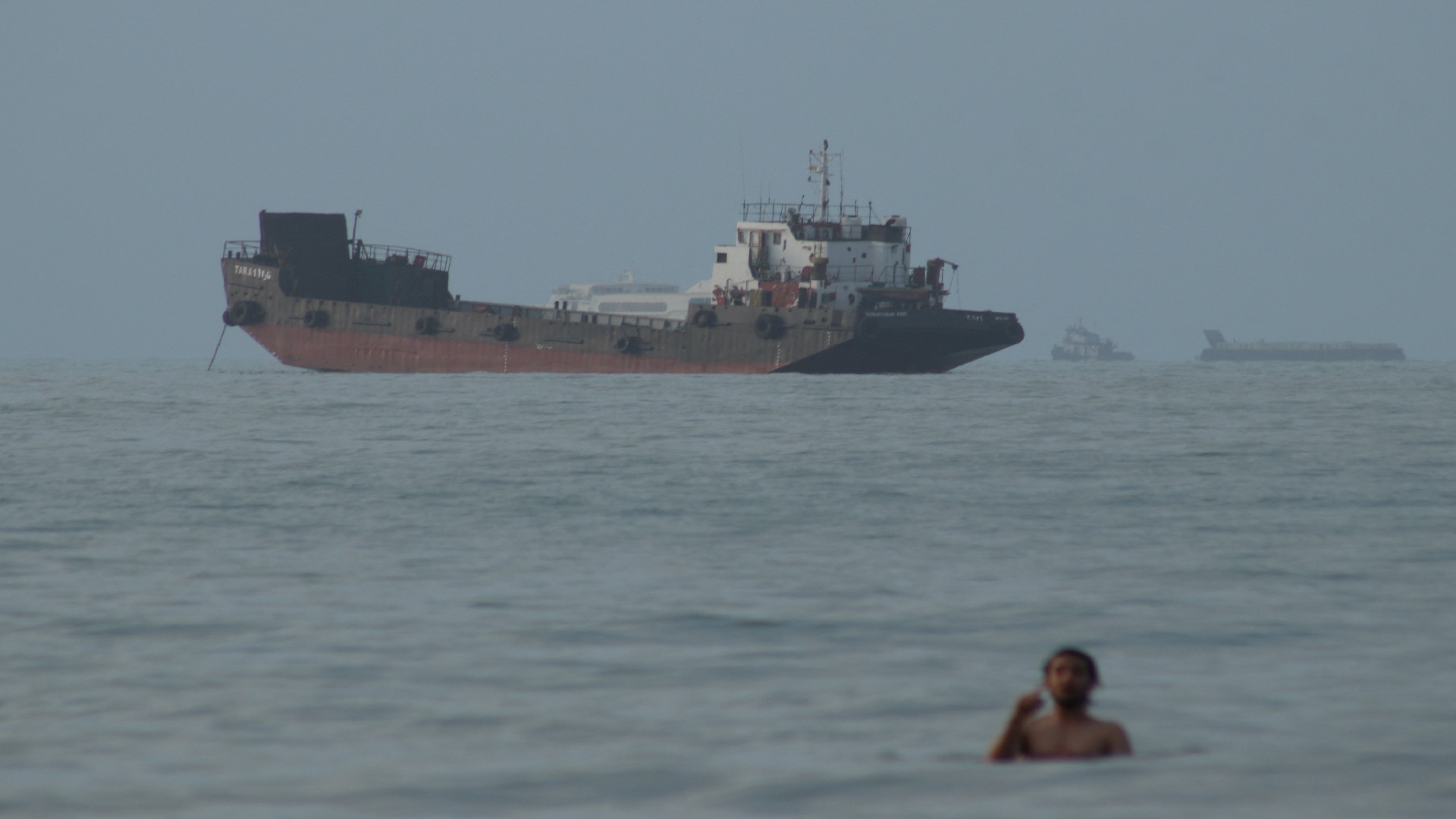
The strategic Strait of Hormuz, a linchpin of global energy trade that carried 20 percent of the world’s total oil and liquefied natural gas supplies before open conflict erupted between the United States and Iran in February, has become the central sticking point in diplomatic efforts to de-escalate tensions. Now, Oman has stepped forward with a new proposal to Iran for a collaborative regional management framework for the critical waterway, as international mediators hold out hope for a breakthrough in peace negotiations following a high-stakes meeting between U.S. President Donald Trump and Israeli Prime Minister Benjamin Netanyahu.
Two anonymous sources familiar with the plan told Reuters the proposal, which has backing from other Gulf states, establishes a shared regional mechanism to oversee the strait’s operations. Under the framework, commercial vessels transiting the waterway would pay voluntary contributions to cover core operational costs, including navigation infrastructure upkeep, environmental protection initiatives, and search and rescue response capabilities. The plan draws direct inspiration from the long-standing cooperative model used for the Strait of Malacca, the key Indian Ocean-Pacific Ocean chokepoint that is jointly managed by neighboring states Indonesia, Malaysia and Singapore.
The current crisis around the strait traces back to a June memorandum of understanding (MoU) signed by Trump and Iranian President Masoud Pezeshkian. That agreement granted Tehran authority to “make arrangements using its best efforts for the safe passage of commercial vessels” through the strait. In response, Iran established a designated commercial shipping corridor located entirely within its own territorial waters. Just three days after the MoU was signed, the U.S.-backed Joint Maritime Information Center announced commercial vessels could transit the Hormuz via a southern route under American guidance, a move that directly challenged Iran’s newly formalized authority over the waterway.
Iran retaliated by targeting commercial vessels operating in the area, prompting the U.S. to launch military strikes against Iranian positions, reigniting open conflict that had been paused by the June agreement. Over the past two weeks, the U.S. conducted daily strikes against Iran, but those attacks came to a halt over the weekend, a shift that has fueled cautious optimism for a diplomatic resolution. U.S. Central Command confirmed Saturday that it would maintain its existing naval blockade of Iran, adding that American military forces remain “highly vigilant, focused, lethal, and ready” for any resumption of hostilities.
Iran’s Foreign Ministry released a statement Monday confirming that Foreign Minister Abbas Araghchi held discussions on the Omani proposal with his counterparts from Oman and Saudi Arabia. In the talks, Araghchi “emphasised the need to strengthen cooperation and advance joint diplomatic efforts to establish stability in the region, and lift the insecurity imposed on the Strait of Hormuz due to the aggressive actions of the United States,” the statement read. Tehran has also pledged to halt retaliatory attacks against neighboring Gulf states, but has warned that it will respond to any new threat posed by the U.S.
Citing two anonymous sources familiar with internal mediation discussions, The Times of Israel reported that mediators expect Trump will issue a formal decision on the new joint management proposal following his meeting with Netanyahu Tuesday. Mediators reportedly anticipate a potential breakthrough that could restore the terms of the June MoU, which collapsed after the competing transit route announcement.
Speaking after the weekend pause in strikes, Trump described recent talks with Tehran as “good talks,” hinting that a viable diplomatic agreement could be within reach while cautioning that military strikes would resume if negotiations fail. “I think there’s a good chance that something could happen, and if it does, good, if it doesn’t, we go back to doing what we were doing two days ago,” he told reporters.