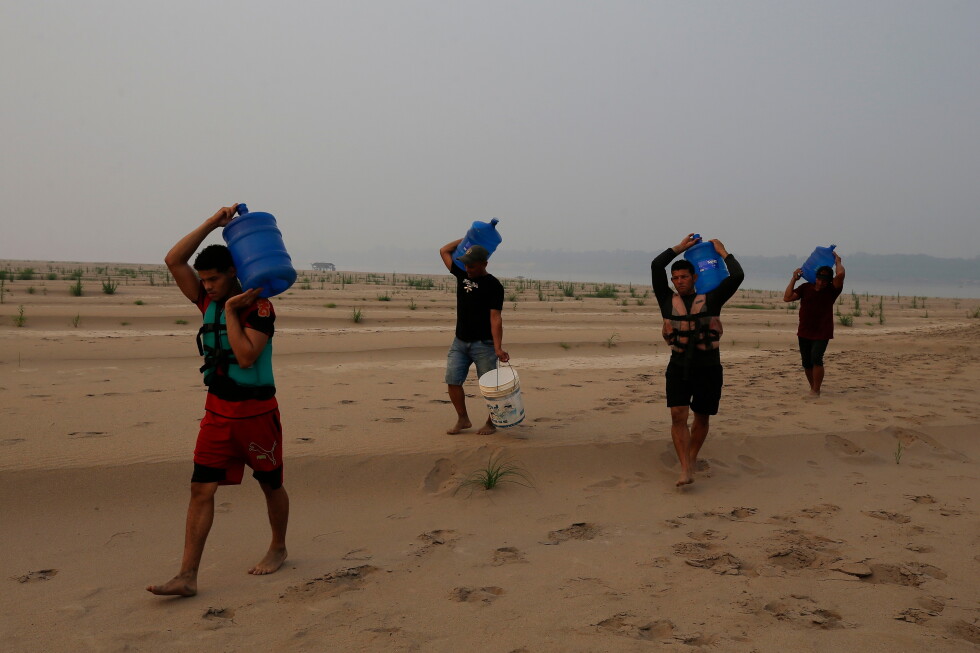
As a strengthening El Niño builds across the Pacific Ocean, governments throughout Latin America have begun mobilizing emergency resources and activating contingency frameworks to brace for a wave of coming climate disruptions, from crippling drought and extreme heat to devastating floods and landslides. Meteorologists have confirmed the climate phenomenon is already active, with projections indicating it will continue to gain intensity through the final months of 2024. Unlike sudden natural disasters such as hurricanes or earthquakes, El Niño develops gradually over months, offering governments a critical window of preparation before its most severe impacts hit. However, climate experts warn regional authorities have a long track record of failing to translate early scientific forecasts into actionable, proactive measures, leaving open questions about whether the region will avoid the widespread damage that marked past major El Niño events.
Past strong El Niño cycles inflicted billions of dollars in economic damage across Latin America. The climate system shifts bring uneven impacts: some regions face extreme, long-lasting drought, while others get pounded by excessive rainfall that triggers floods and deadly landslides. In previous events, El Niño disrupted regional agricultural production, strained already limited drinking water supplies, fueled large-scale out-of-control wildfires, and cut hydroelectric power output in hydrology-dependent nations, leading to widespread energy shortages. The World Meteorological Organization’s representative for North America, Central America and the Caribbean, Rodney Martinez, emphasized that the confirmed, ongoing event requires urgent action now, not delayed planning. “El Niño is confirmed. El Nino is ongoing. It’s not simply a possibility,” Martinez said. “Now is the time for decisions, for effective preparedness and the political consistency to really be proactive this time.”
Martinez urged countries to use the remaining window before impacts peak to shore up alternative energy supplies, protect high-vulnerability communities, and pre-position resources to handle strain on critical public services. For nations heavily reliant on hydropower such as Ecuador, this means activating thermal power generation capacity to offset falling reservoir levels during extended dry periods, and completing all required maintenance and procurement well ahead of potential shortages. He pointed to 2023’s widespread energy crisis in Ecuador, where severe drought drained hydroelectric reservoirs and left millions without power for days, as a clear warning of what could come this year.
According to WMO data, Central America, parts of the Caribbean and northern South America are already recording far drier conditions than the historical average, changes directly linked to the developing El Niño. These dry conditions are projected to spread into large swathes of the Amazon basin, stoking urgent concerns over drinking water access, agricultural productivity, and elevated wildfire risk. Threat levels and types vary dramatically across the region, leading to targeted preparation efforts:
In Brazil, Colombia and much of Central America, the top priorities are preparing for drought, potable water shortages, and an unusually intense wildfire season. Brazil has already deployed more than 4,600 federal personnel to support wildfire prevention and response, expanded professional firefighting brigades, and pre-positioned aerial firefighting aircraft ahead of what officials warn could be one of the worst fire seasons on record. Colombia, for its part, has activated continuous national water level monitoring systems, upgraded wildfire response preparedness, and issued guidance to local governments to pre-plan for potential water shortages.
In other parts of the region, governments are gearing up for catastrophic flooding. Historically, strong El Niño events bring intense, damaging rainfall to Ecuador’s Pacific coast, prompting the national government to order local authorities to draft tailored contingency plans and allocate millions of dollars for flood mitigation infrastructure, emergency response deployments, and post-disaster agricultural recovery. Local teams have already begun clearing blocked drainage channels, stabilizing landslide-prone hillsides, and setting up stocked emergency shelters for displaced residents. Costa Rica has rolled out more than 200 separate actions under a national contingency plan, ranging from protecting drinking water reserves to expanding backup renewable energy capacity to prepping for severe wildfires. Peru has upgraded its national monitoring and early warning systems and expanded its on-the-ground meteorological observation network to track changing conditions in real time. Panamanian officials have also developed specific contingency plans to protect operations at the Panama Canal, one of the world’s busiest and most economically critical trade routes, where reduced rainfall can lower water levels enough to disrupt shipping transits.
The WMO warns that El Niño’s impacts will stretch beyond immediate environmental disruption: prolonged drought and extreme heat threaten food security across Central America’s Dry Corridor, while excessive rainfall and flooding in other regions can damage critical infrastructure, contaminate drinking water supplies, and increase the risk of widespread infectious disease outbreaks.
Despite the months of early advance warning, experts warn preparation efforts remain deeply uneven across the region. Martinez noted that many authorities still delay critical planning and investment, even as scientific forecasts grow more certain about El Niño’s intensity. Some officials wait for additional confirmation of the event’s track, while others wrongly assume their countries will avoid the worst impacts. “The reality is that this preparation doesn’t happen until they have the emergency,” he said. Postponing action, he warned, will leave governments scrambling to respond once droughts, floods and heat waves reach their peak intensity.
Colombia’s Environment Minister Irene Vélez told the Associated Press that while El Niño is a recurring climate event, its current intensity is unprecedented, bringing new risks of longer duration and a broader geographic reach than past events. Research on past major El Niño events has found the economic damage can linger for years, with the most severe cycles ultimately costing the global economy trillions of dollars in cumulative losses. For governments that have not yet acted, Martinez’s message is clear: “Be prepared in advance, in a serious way. The information is there. Now is the time for decisions.”
Vélez added that the challenge goes far beyond responding to a single extreme climate event, arguing that governments across the region must implement long-term systemic adaptation to address increasingly frequent and intense extreme conditions driven by human-caused climate change. “Climate change is here to stay,” she said.
Latin American governments prepare for El Nino as drought, floods and heat loom