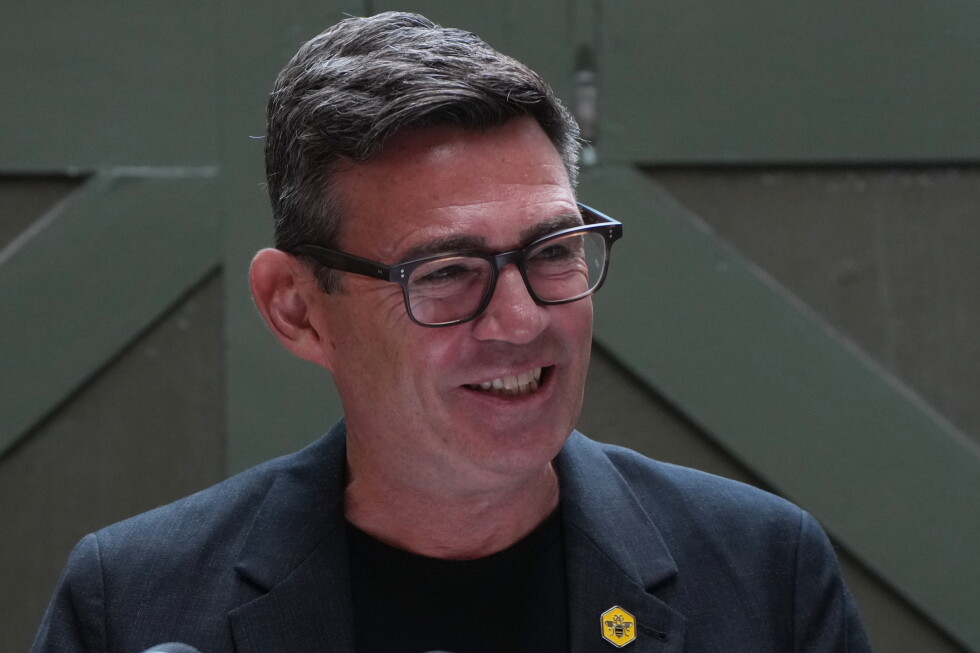
LONDON — Britain is on the cusp of a Downing Street transition, with Andy Burnham set to formally assume the leadership of the country’s governing Labour Party on Friday, clearing the final procedural step before he takes office as prime minister next week. The center-left party will officially confirm the outcome of the leadership contest to replace outgoing prime minister Keir Starmer, a race where Burnham stood as the only candidate. As of Thursday evening, the former Greater Manchester mayor had secured the backing of 379 out of 403 sitting Labour Members of Parliament in the House of Commons, locking in his expected victory.
For weeks, Burnham has held the unofficial title of prime minister-in-waiting, but he has released few concrete details of his policy agenda to date. One month ago, after winning a by-election to secure a seat in Parliament, he pledged to build a new brand of British politics “rooted in unity and hope” and craft an economic framework that spreads balanced growth evenly across every region of the United Kingdom. To this point, he has avoided formal press conferences and granted only a small number of interviews, meaning he will enter 10 Downing Street as a largely unfamiliar figure to most voters outside of his northern Manchester base.
Burnham brings a far more approachable, relaxed leadership style compared to the stern demeanor of his predecessor Starmer, and is widely regarded as one of the Labour Party’s most skilled communicators. However, he will inherit many of the same urgent challenges that defined Starmer’s tenure, including sluggish national economic growth, a persistent cost-of-living crisis exacerbated by ongoing armed conflicts in Ukraine and the Middle East, and chronically overstretched public services that have struggled to recover after the COVID-19 pandemic.
According to statements from Burnham’s office, he will outline his core policy priorities for the first time as Labour leader in his inaugural address on Friday. In the speech, he is expected to frame his administration as one that has the “courage to fix the big issues that successive political leaders have neglected.” Key areas of focus will include national economic renewal, expanding public ownership of critical infrastructure sectors, and creating new, high-quality modern industrial jobs. Burnham will argue that Britain took “a series of wrong turns in the 1980s”, when successive governments centralized political power in Westminster and pursued mass privatization of national economic assets – policies implemented by Conservative Prime Minister Margaret Thatcher that fundamentally reshaped the UK’s economic and social landscape.
In a pre-recorded social media video released late Thursday, Burnham added that improving access to consistent social care for people requiring support due to age, chronic illness or disability will also be a top legislative priority. The issue, which has confounded both previous Labour and Conservative governments, has grown increasingly pressing as the UK’s population continues to age, leaving millions of vulnerable citizens and their families without reliable support.
Starmer first announced his resignation last month, ending a two-year tenure marked by repeated missteps and public judgment errors that eroded his support among both Labour Party members and the general public. Currently, the governing Labour Party consistently trails the anti-immigration Reform UK party in national opinion polls, and the party suffered catastrophic losses in May’s local government elections – a result that built irresistible pressure for Starmer to step down.
Starmer will remain in the role of caretaker prime minister until Monday, when he will formally tender his resignation to King Charles III. Following Starmer’s exit, the monarch will invite Burnham to form a new government, in line with UK constitutional convention. Under Britain’s parliamentary democratic system, governing parties are permitted to replace their leader and sitting prime minister without triggering a snap general election; the next scheduled national election is not required to be held until 2029.
This leadership transition marks a continuation of a trend of frequent prime ministerial turnover in the UK that has reshaped British politics in recent years. When Burnham takes office, he will become the seventh person to hold the role of prime minister since 2016.