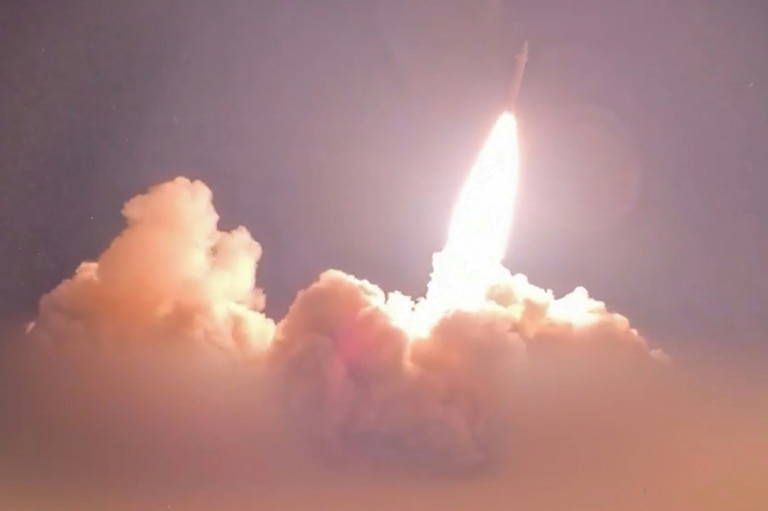
A sharp new escalation of long-running tensions between the United States and Iran has sent shockwaves across the Gulf region, with cross-border strikes, attacks on US allies, and clashes near the strategic Strait of Hormuz plunging the Middle East into renewed violence. As fighting entered its sixth consecutive day on Friday, multiple nations are calling for an immediate de-escalation and return to diplomatic talks.
Casualty figures released by Iran’s health ministry confirm that 38 people have been killed and over 400 injured in US strikes carried out across the country since June 22. The violence has spread far beyond Iran’s borders, with Tehran launching retaliatory strikes against a string of targets including US military assets and partner nations across the Gulf region.
Iran’s Islamic Revolutionary Guard Corps (IRGC) announced Friday that it had successfully targeted and destroyed two US-operated radar sites in Oman — one configured for maritime surveillance and the other for air monitoring. Further afield, the IRGC carried out a surprise strike on the Al-Tanf US military base in southern Syria, framing the attack as retaliation for the recent killing of Iranian soldiers in Iranshahr.
Multiple Gulf US allies reported coming under Iranian missile and drone attack early Friday. Jordan’s military confirmed it intercepted three Iranian missiles, with no reported casualties or infrastructure damage. Kuwait said it was responding to incoming attacks after Tehran stated it had targeted US military infrastructure on Kuwaiti territory. Both Bahrain and Qatar also reported attempted attacks, with Qatari defense forces confirming they successfully intercepted an incoming missile.
On the US side, American military forces have continued their pressure campaign against Iran. US Central Command announced Friday that it had launched the sixth consecutive night of strikes against Iranian targets, stating the operations are designed to “further degrade Iranian military capabilities.” US forces also intercepted shipping traffic in the Gulf of Oman as part of Washington’s reimposed blockade on Iranian ports, redirecting three vessels that attempted to circumvent the trade restrictions since the blockade was restored amid rising hostilities.
Multiple locations across Iran were targeted in fresh US strikes Friday. Explosions were reported in Bushehr, the city that hosts Iran’s only civilian nuclear power plant, though there has been no confirmation of damage to the nuclear facility itself. Strikes also hit an airport, a railway station in the key port city of Bandar Abbas on the Gulf coast, and two bridges in southern Iran near the Strait of Hormuz, leaving three people dead, according to Iranian state media. Local Iranian officials also confirmed US strikes targeted locations near Qeshm Island, a major Iranian landmass located just off the coast near the strategic strait.
The violence spilled further into neighboring Iraq on Friday, when an unidentified drone struck a commercial ship carrying American-branded cars near the southern Iraqi port of Basra. The vessel had arrived in the area from the United Arab Emirates, and Iraq’s oil ministry confirmed that an unknown object fell near a separate tanker in the same area, though no further details on damage or casualties have been released.
Amid the escalating fighting, diplomatic pathways remain partially open, according to the White House. Press Secretary Karoline Leavitt told reporters Friday that former President Donald Trump, who currently leads the US executive branch, remains open to diplomatic negotiations with Tehran despite the renewed hostilities. “The president will hold them accountable when they turn their back on the words that they state to the United States. But he is always open to diplomacy at the very same time,” Leavitt said.
International calls for de-escalation grew Friday after top diplomats from China and Pakistan met in Shanghai, issuing a joint appeal for the United States and Iran to end all hostilities and return to the negotiating table to resolve their differences through dialogue.