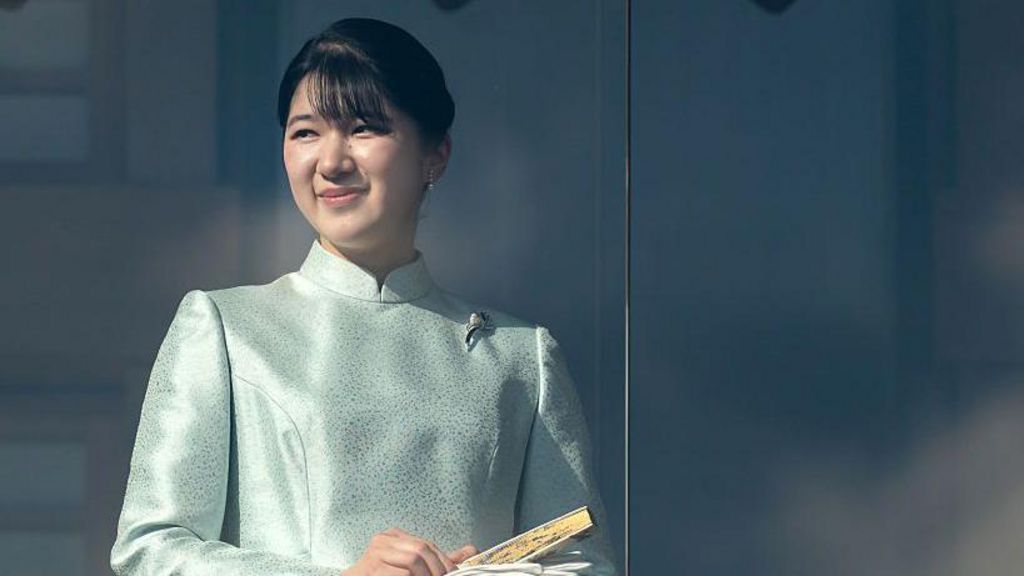
Japan’s national parliament has signed off on a landmark bill revising the country’s imperial succession framework, a change crafted to address a growing crisis of shrinking royal membership that threatens the world’s oldest continuous hereditary monarchy. Yet the reform stops short of meeting widespread public demand to open the throne to women, leaving Emperor Naruhito’s only child, Princess Aiko, still barred from ascending to the highest royal position.
The upper house of the Diet passed the bill on Friday, one week after the lower house gave its approval. The legislation will now complete final administrative formalities before entering into force. This marks the first major amendment to the core text of the 1947 Imperial House Law since 1949, representing the most sweeping shakeup of Japan’s imperial system in more than seven decades.
Under the terms of the new law, two key changes are introduced. First, the imperial household will now be permitted to adopt male relatives from distant cadet branches who are aged 15 or older, bringing them back into the official royal family. These 11 branches were stripped of their imperial status after World War II by Allied occupation reforms, and their descendants could now replenish the shrinking pool of eligible succession candidates. Second, female imperial members who marry commoners will no longer be required to renounce their royal titles and leave the household – a policy change that follows high-profile cases like that of Princess Mako, who gave up her status in 2021 to marry her civilian college partner.
Japan’s imperial lineage traces its claimed origins back more than 2,600 years, making it the longest unbroken hereditary monarchy in recorded history. But the current line of succession is extremely narrow. After Emperor Naruhito, first in line is his 60-year-old younger brother Crown Prince Fumihito. Second in line is Fumihito’s 19-year-old son Prince Hisahito, and the third eligible heir is the emperor’s 90-year-old uncle. Without reform, if Prince Hisahito does not father a male heir, the official line of succession would be broken, forcing a constitutional crisis.
Despite the changes, the bill leaves intact the longstanding legal ban on female succession, despite overwhelming public support for ending the male-only rule. Opinion polling consistently shows broad majority backing for allowing women to become emperor. A June Mainichi Shimbun survey of more than 2,000 Japanese adults found more than 70% of respondents supported a female monarch, while a separate Kyodo News poll put support as high as 83%.
Prime Minister Sanae Takaichi and other conservative political leaders have pushed to retain male-only succession, arguing that the centuries-old patrilineal system is core to the imperial institution’s legitimacy. The compromise reform, which addresses the shrinking royal pool but rejects changing gender succession rules, has resolved the immediate threat of a broken succession line while leaving the gender debate unresolved for future legislative action.