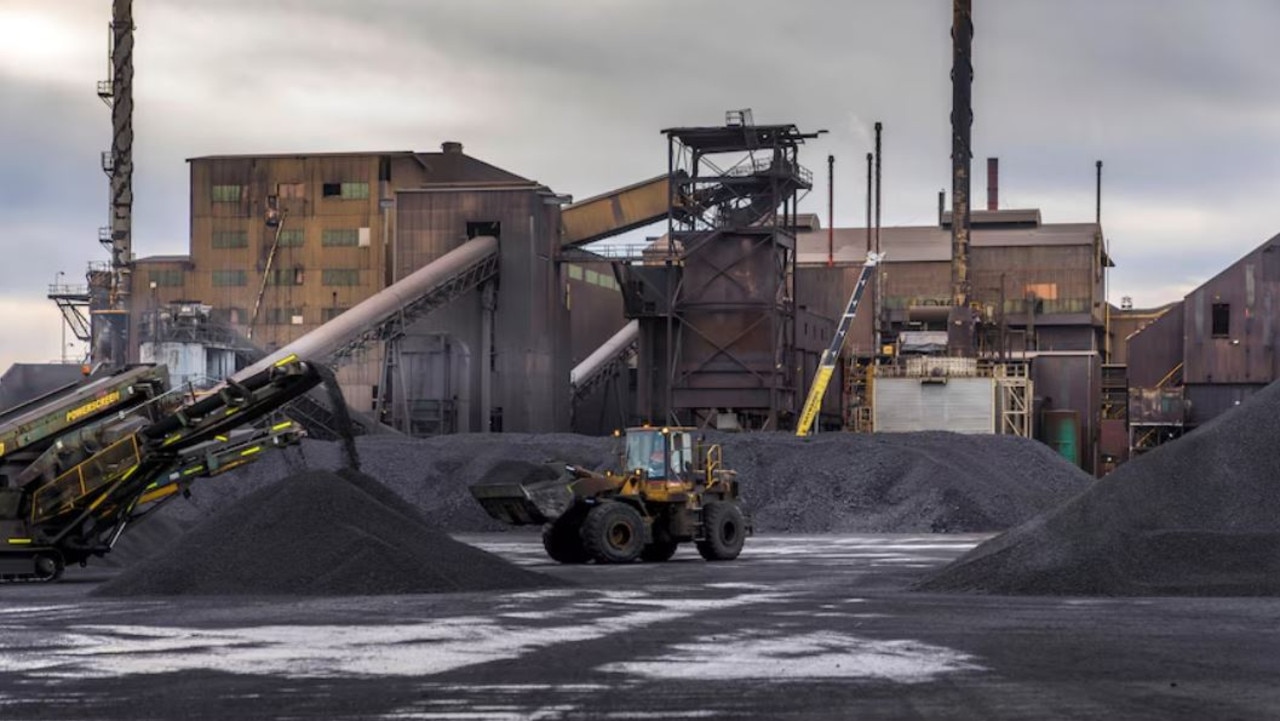
Australia’s industrial landscape has suffered a significant blow, with administrators confirming the permanent, immediate closure of the nation’s last remaining manganese smelter at Liberty Bell Bay in northern Tasmania after a planned sale of the facility fell apart. The shutdown brings months of tense uncertainty for workers to a devastating end and leaves a major gap in the region’s long-standing industrial core.
Administrators from EY Parthenon announced Thursday that they had begun an orderly wind-down of operations after the proposed acquisition by an international consortium collapsed, leaving no viable path to keep the smelter operating. The facility first entered voluntary administration in March, following deepening financial troubles for its former owner, the London-based GFG Alliance. A ray of hope emerged in May, when administrators confirmed they had reached a tentative purchase agreement with a consortium led by Perth-based Adroit Capital and U.S. private equity firm White Oak. That progress quickly unraveled last month, however, when one of the deal’s key financial backers pulled out of the agreement, ultimately killing the transaction entirely.
In a formal statement following the announcement, EY Parthenon explained that without a commercially viable sale or the funding required to keep operations running, the difficult decision to close immediately was unavoidable. Administrators also cited ongoing volatility in the global economy as a contributing factor that strained the facility’s viability throughout the sale process.
Around 250 full-time positions will be eliminated as part of the shutdown, with only a small skeleton crew remaining on site temporarily to manage asset sales, wrap up operational tasks, and comply with strict environmental and regulatory requirements. Workers were notified of the closure during a briefing on Thursday morning, with formal details on redundancy packages expected to be released next week. Administrators noted that all eligible employees are receiving the full support available to them through this difficult transition period.
The closure caps more than a year of ongoing uncertainty for the smelter and its workforce. GFG Alliance first scaled operations back to limited production in May of 2023, citing persistent shortages of manganese ore. In a bid to save the facility, the Tasmanian state government extended a $20 million loan to help the company purchase new ore supplies. While the ore was delivered to the site in October, it was never put into production as financial pressures worsened. After the smelter entered voluntary administration in March, the Tasmanian and federal governments jointly contributed $9.6 million to cover worker wages during the search for a new buyer.
Political and labor leaders have described the shutdown as a devastating outcome for northern Tasmania. In a joint statement, Tasmanian Premier Jeremy Rockliff and Federal Industry Minister Tim Ayres called the news a “sad day” for the Bell Bay region and the surrounding communities of George Town and northern Tasmania, where workers and local leaders had campaigned for months to save the smelter. “Both the Commonwealth and Tasmanian governments are now focused on ensuring workers and their families are supported during this time, with immediate on-ground support now available,” the pair added.
Union representatives, who have led the campaign to save the facility, say workers are reeling from the sudden announcement after months of fighting to keep the plant open. Most workers will see their employment end as early as next Monday. The Bell Bay Joint Unions released a statement Thursday expressing widespread “shock and disappointment” among the workforce, warning that the economic impact of the shutdown will extend far beyond the smelter’s gates. “This loss will have devastating effects on the local economy and entire community,” the union group said, while urging both state and federal governments to continue working with administrators to explore any possible path to restart the sale process and revive the facility.