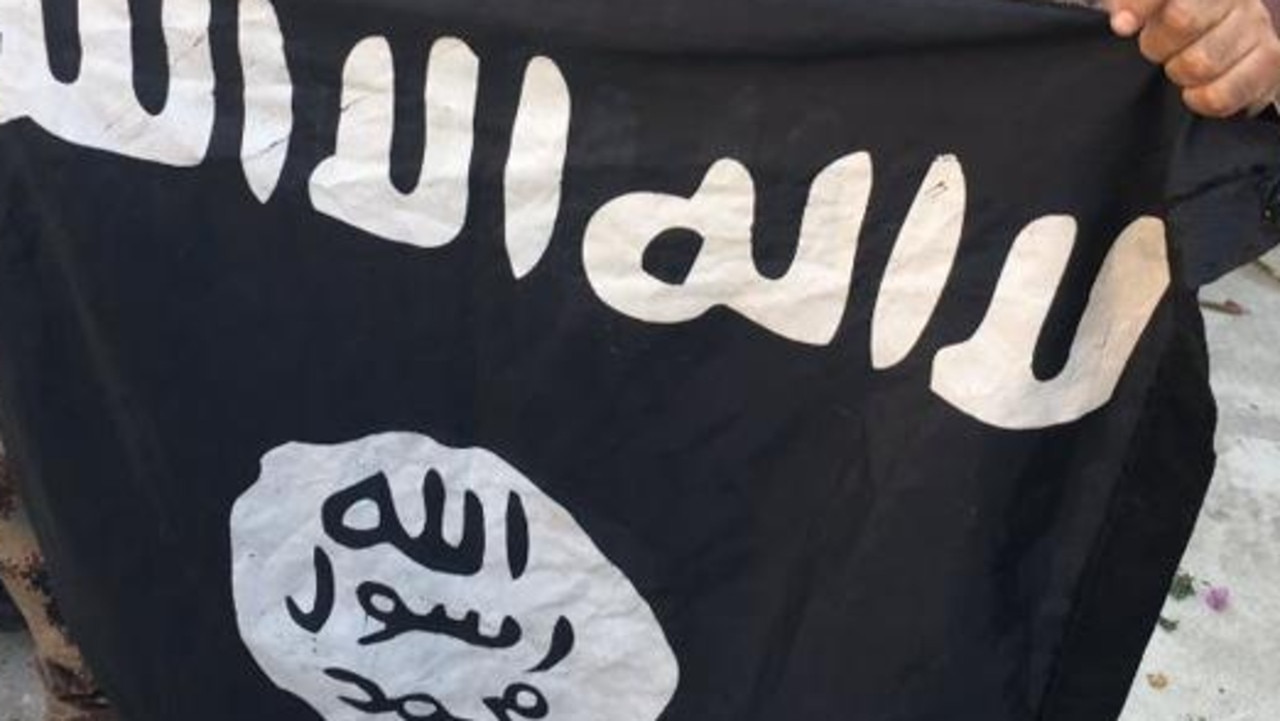
A legal dispute over the bail release of an Australian teenager charged with terrorism-linked offenses is unfolding after prosecutors confirmed they will challenge a juvenile court’s ruling that granted the teen his freedom after nearly four months in detention. The case first came to light in mid-March, when Australian Border Force officers intercepted a prohibited ISIS flag being shipped into the country from China, which the then-17-year-old had attempted to import.
Two weeks after the border seizure, agents from the Australian Federal Police executed a search warrant at the teenager’s family home in Melbourne, seizing multiple personal electronic devices for forensic analysis. Investigators claim the devices contained a cache of extremist content, including step-by-step bomb-making instructional videos and manuals, ISIS propaganda material, and search history showing the teen looked into topics ranging from train derailment methods to the locations of Melbourne synagogues and heavily trafficked city intersections. Law enforcement further alleges that for three years leading up to his arrest, the teen actively attempted to hide his online activity by using an encrypted browser to avoid detection.
Notably, during the search of the property, police did not recover any precursor chemicals for explosive manufacturing, weapons, or physical equipment tied to bomb construction. The teen currently faces two formal charges: collecting and creating documents that could reasonably facilitate a terrorist act, and importing a banned organization flag, with prosecutors confirming additional charges remain under active consideration.
Law enforcement had strongly opposed the teen’s bail application, arguing that he was in the process of self-radicalization and posed a significant risk of carrying out a lone-wolf terrorist attack. However, the court received testimony from a clinical psychiatrist who conducted a comprehensive assessment of the accused. The psychiatrist concluded that while there were legitimate grounds for concern about potential self-radicalization, there was no clear evidence that the teen was on an irreversible path to committing violent acts.
The assessment found no proof the teen had actively planned violent attacks, acquired the materials needed to carry out harm, or reached the conclusion that violence was a necessary or unavoidable step. The psychiatrist added that all the teen’s activity remained at the research stage, with no indication of imminent violence. The court also heard that the teenager has an autism spectrum disorder diagnosis, a key factor considered in the bail ruling.
In a written statement submitted to the Children’s Court, the teen acknowledged he had made serious errors, described his time in custody as a jarring and upsetting experience, expressed regret for the pain he had caused his family, and pledged to avoid any activity that would result in him being returned to detention.
Children’s Court President Jack Vandersteen, who issued the bail ruling, noted that while law enforcement’s concerns about the accused remained substantial, the evidence before the court demonstrated the teen’s risk to the public could be effectively managed through stringent bail conditions. “The risk can be managed by a very strict structure and treatment-informed bail regime,” Vandersteen stated. The conditions include 24/7 intensive supervision, continuous electronic monitoring, mandatory regular check-ins at a local police station, a strict curfew, and a ban on entering within 100 meters of any Jewish place of worship.
Shortly after the ruling was issued, prosecutors announced they would file an appeal of the bail decision with the Supreme Court of Victoria, and are seeking a stay of the original judgment that would keep the teen in detention through the appeal process.