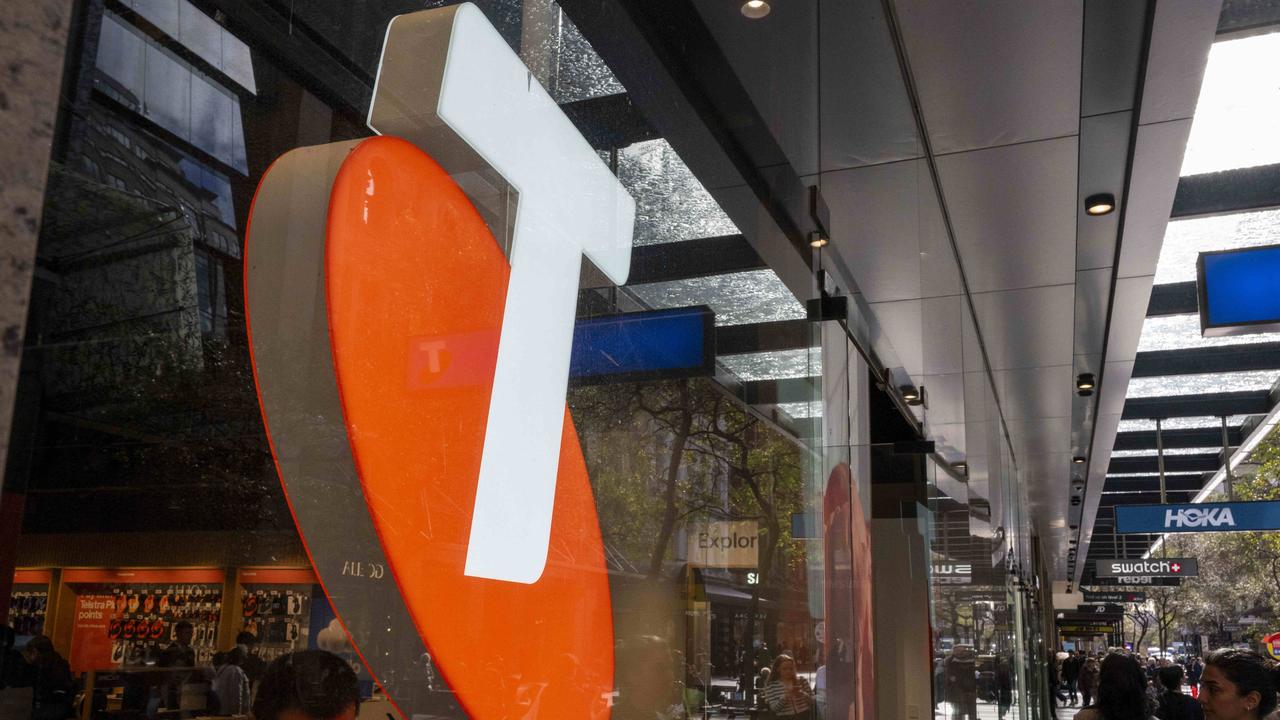
Australia’s largest telecommunications provider Telstra is facing intense public and political backlash after a 12-hour nationwide service outage that disrupted critical emergency triple-0 services across the country, coming just months after the firm posted a $2.3 billion pre-tax annual profit. The outage last week marked the latest high-profile failure of a major Australian telecom, following a 2023 outage at competitor Optus that was linked to two preventable deaths when access to triple-0 was cut off.
When the outage first occurred, Telstra CEO Vicki Brady — who was on personal holiday when the fault emerged — released a public statement attributing the widespread service collapse to an unexpected software glitch in the company’s internal time-tracking systems. Brady offered a full apology to Australian customers, acknowledging the central role Telstra services play in personal communication, business operations and public safety. “We know how much people rely on us to keep in touch, do their work, run businesses and stay safe. It’s extremely frustrating when mobile services aren’t available, and we’re deeply sorry for the impact this had on so many people,” Brady’s statement read. The company has committed to conducting a full internal investigation into the root cause of the failure.
Political backlash has grown rapidly in the days since the outage, with Greens Senator Sarah Hanson-Young leading calls for accountability. Hanson-Young, who will chair a formal Senate inquiry launching Friday to investigate the incident, has raised sharp questions about Telstra’s profit-driven investment priorities, citing unconfirmed reports that the outage traces back to a $20,000 piece of outdated equipment that the company delayed replacing for years. Speaking on her weekly podcast Tuesday, Hanson-Young questioned how a company recording nearly a quarter of a trillion Australian dollars in annual profit could fail to invest in basic critical infrastructure. “If it is in fact true, then it really begs the question, how can a company that banked $2.3bn in profit last year, not keep its equipment up to date?” she said. “(That) has ended up costing the entire company … potentially billions of dollars more because of the massive failure.”
Hanson-Young has gone further, calling for a fundamental rethink of how Australia manages critical emergency communications infrastructure, suggesting the nation’s triple-0 emergency system should be nationalized to prioritize public safety over corporate profit motives. “We should start considering whether we need to nationalise triple-0 built for the public interest, not the business model of the big telcos, who can pick and choose how much they want to invest in their systems,” she said. “How is it possible that there’s no legal requirement on these companies? This is political. It’s a political choice to force these companies to put their consumers first and public safety first, rather than just their profits.”
Federal government officials have also joined in condemning Telstra, with Communications Minister Anika Wells noting that the company has long held a special position of public trust that is now at risk. “It’s time for Telstra to face the music,” Wells stated last week. “But, that trust really stands in peril today. It is going to take Telstra a lot of time and a lot of work to rebuild that trust with Australians.” Education Minister Jason Clare added that the company could face regulatory fines of up to 30 million Australian dollars for the failure, depending on the findings of official investigations.
Alongside demands for accountability, the incident has also sparked unfounded misinformation, with One Nation MP Barnaby Joyce claiming without evidence that the outage may be linked to Chinese interference. Labor Party MPs have publicly rejected the baseless claim, pushing back against the unsubstantiated conspiracy theory.