July 14, 2026 marks 25 years since one of Australia’s most high-profile missing person and murder cases unfolded in the remote outback of the Northern Territory. On that same date in 2001, 28-year-old British backpacker Peter Falconio, originally from Huddersfield, was shot and killed by Bradley Murdoch on a desolate stretch of Stuart Highway near Barrow Creek, roughly 300 kilometers north of Alice Springs. To this day, Falconio’s body has never been recovered, and 25 years on from the attack, Northern Territory (NT) Police have made the unprecedented decision to release a collection of never-before-seen photographs from their original investigation, in a last-ditch effort to jog public memory and elicit new information that could finally lead investigators to Falconio’s remains.
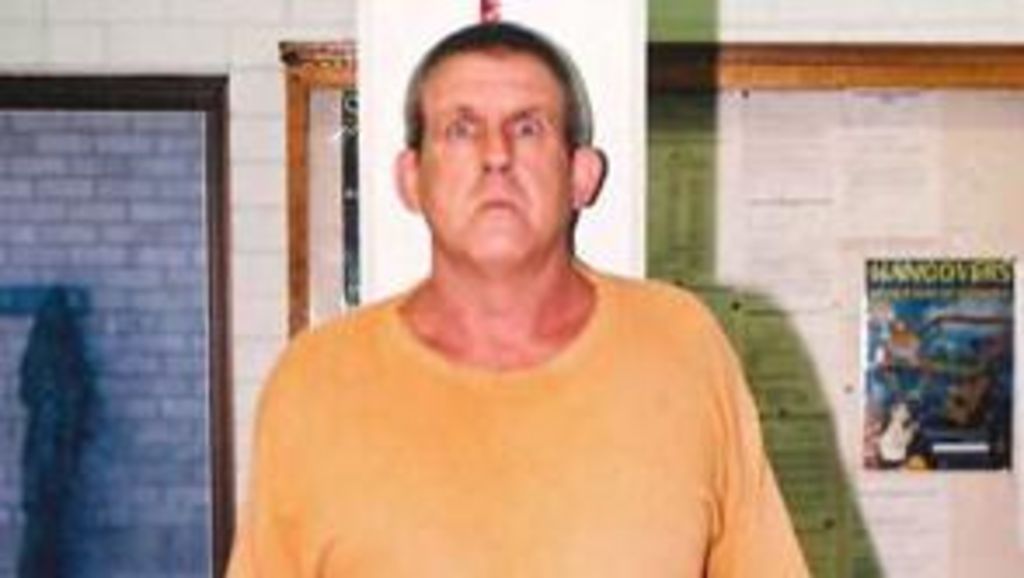
The newly released batch of images captures key pieces of evidence and context from the immediate aftermath of the attack. Included among them is a full-length portrait of Murdoch taken during the early police investigation, a raw shot of Falconio’s travel partner and girlfriend Joanne Lees visibly traumatized just hours after the assault, close-up images of the binding injuries Lees sustained when Murdoch tied her wrists with cable ties, the abandoned orange Volkswagen Kombi van the couple was driving around Australia that was found parked off the Stuart Highway near the attack site, and multiple shots of the remote outback crime scene itself.
The attack that shook both Australia and the United Kingdom unfolded after Murdoch pulled his vehicle alongside the couple’s camper van, claiming he had spotted sparks coming from the van’s exhaust. When Falconio stepped out to inspect the issue, Murdoch shot him in the head before forcing Lees into his own vehicle and binding her. Lees managed to escape Murdoch’s custody, hiding in dense outback scrubland for several hours before she was able to flag down a passing truck for help.
Murdoch was ultimately found guilty of Falconio’s murder, as well as charges of assault and attempted kidnapping of Lees, in a unanimous jury verdict following his 2005 trial. Despite overwhelming DNA evidence linking him to the crime, Murdoch consistently maintained his innocence, launched two unsuccessful appeals to overturn his conviction, and never cooperated with authorities to disclose where he had hidden Falconio’s body. Last year, the 67-year-old died in prison from terminal throat cancer, taking the secret of Falconio’s burial location to his grave. Just one week before his death, NT Police conducted a final recorded interview with Murdoch in a last attempt to get him to reveal the location; footage of that interview was released to the public in recent days.
NT Police Commissioner Martin Dole emphasized that the investigation will remain open until Falconio’s family gets the closure they have waited 25 years for. “This was a traumatic and horrific event for Ms Lees, and for Peter’s family, who have now gone such a long time without the answers they deserve,” Dole said in an official statement. “While a murderer has been held accountable for his crimes, this investigation can never be considered closed until Peter’s remains are found and his family can lay him to rest.”
Dole added that it was “deeply regrettable that Murdoch died without, as far as we know, ever disclosing the location of Peter’s remains. His cowardly silence has denied his family, friends and loved ones the closure they deserve.” Police remain committed to pursuing every possible lead to bring the case to a full conclusion, and an existing reward of up to AU$500,000 remains active for any information that leads investigators to the recovery of Falconio’s remains. Commissioner Dole expressed hope that the 25-year milestone, paired with the release of these unseen images, will prompt anyone with even small pieces of forgotten information to come forward.