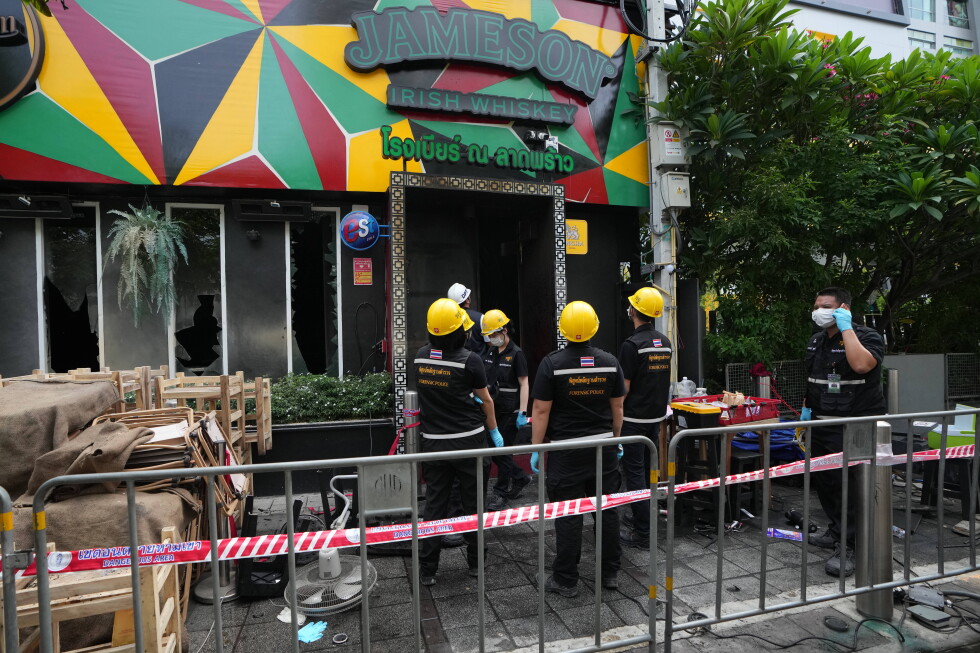
A devastating fire that broke out at a popular beer hall in northern Bangkok’s Na Ladprao neighborhood has claimed at least 27 lives and left dozens more injured, triggering an urgent official investigation into what caused the blaze and what factors amplified the death toll. Key lines of inquiry include whether locked or blocked emergency exits prevented patrons from escaping the rapidly spreading fire, officials confirmed.
This tragedy marks Thailand’s deadliest fire at a public entertainment venue since New Year’s Day 2009, when a blaze at Bangkok’s Santika nightclub killed 67 people. In the wake of this latest incident, a retrospective of major fatal fires at nightclubs, bars and live music venues across the globe over the past 24 years highlights a repeated pattern of preventable tragedy linked to unsafe building design, unregulated pyrotechnics and overcrowding.
The deadliest of these documented incidents occurred in December 2000, when a fire sparked by an unsafe welding operation tore through a disco in Luoyang, central China, killing 309 people. Just three years later, in February 2003, a band’s pyrotechnics display ignited flammable acoustic foam at The Station nightclub in West Warwick, Rhode Island, U.S., leaving 100 dead and more than 200 injured.
In December 2004, a flare ignited flammable ceiling foam at Buenos Aires’ crowded Cromagnon Republic club in Argentina, killing 194 people. The venue’s owner was ultimately sentenced to 20 years in prison on charges of wrongful death and bribery. Five years later, December 2009 saw two major deadly venue fires: 152 people lost their lives at Russia’s Lame Horse nightclub in Perm, when indoor fireworks ignited a plastic, branch-decorated ceiling, just weeks after the 67-death Santika blaze in Bangkok on New Year’s Day 2009.
Other major fatal incidents include a 2008 fire at Shenzhen, China’s King of Dancers nightclub that killed 44 after a fireworks-triggered blaze sparked a fatal stampede; a 2013 blaze at Brazil’s Kiss nightclub in Santa Maria that killed more than 200 people when soundproofing ceiling foam caught fire and released toxic gas during a university party; and a 2015 pyrotechnics-triggered fire at Bucharest, Romania’s Colectiv nightclub that left 64 dead and 190 injured. In 2016, the illegally converted Ghost Ship artist warehouse and venue in Oakland, California, U.S., burned during an electronic music event, killing 36 people who were trapped on an unpermitted second floor.
Already in the 2020s, multiple high-death toll fires have occurred. Separate blazes in January 2022 killed 19 people at an Indonesia West Papua nightclub targeted in a gang attack and 17 at Cameroon’s Liv’s Nightclub Yaouba in Yaounde, where fireworks triggered explosions that spread the fire rapidly. In October 2023, a fire that began at a Murcia, southeastern Spain, nightclub spread to two adjacent venues, killing 13. One year later, in April 2024, a blaze at the Masquerade nightclub in Istanbul, Turkey—located on the ground and basement floors of a 16-story residential building and closed for renovations—trapped 29 workers inside, all of whom died.
In 2025, three deadly blazes have been recorded: 63 people, most of them young partygoers, were killed in a fire and subsequent stampede at North Macedonia’s Pulse club in Kocani, sparked by a pyrotechnic flame that engulfed the club roof. That was followed by a December 2025 blaze at a popular Goa, India, nightclub in Arpora village that killed 25, including kitchen staff and foreign tourists. Early 2026 brings the most recent incident on record: a New Year’s Day early morning fire at a bar in the Swiss alpine ski resort of Crans-Montana that left 41 dead and more than 100 injured.