Tensions between the United States and Iran have surged to a new critical peak, with U.S. military forces launching a second consecutive day of offensive strikes against Iranian targets on Wednesday, July 9, 2026. According to an official statement released by U.S. Central Command, the operation is framed as an effort to weaken Iran’s capacity to disrupt navigation access through the strategically vital Strait of Hormuz.
In a public post on the social platform X, U.S. Central Command said the strikes are intended to hold Iran accountable for what it describes as “recent unjustified aggression” against commercial vessels and civilian crews transiting the key international waterway, a chokepoint that carries roughly a fifth of global oil supplies. Ahead of the Wednesday strikes, military updates confirmed more than 20 U.S. Navy warships were already conducting patrols across maritime domains in the Middle East, signaling a heavy military buildup in the region ahead of the renewed action.
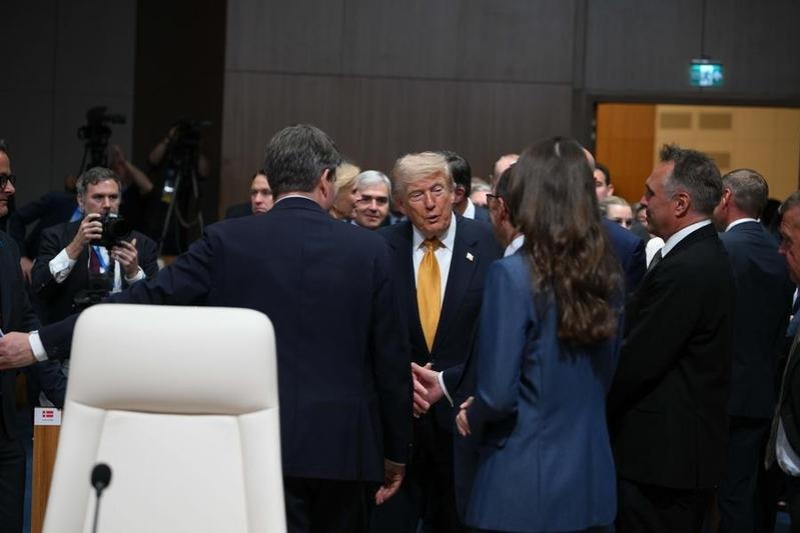
The coordinated strikes came just hours after U.S. President Donald Trump issued a clear warning during his appearance at the 2026 NATO Summit hosted in Ankara, Türkiye, on July 8. Trump publicly foreshadowed the new attack, telling attendees “I’ll give a little warning: We’re going to hit them hard tonight.” He added that the U.S. does not anticipate a full-scale, widespread conflict with Iran, seeking to downplay fears of an all-out war.
But Iranian officials have responded with a firm threat of retaliation. Iran’s state-owned Press TV, citing an anonymous informed source, reported that Iran would close the Strait of Hormuz and strike twice the number of targets hit by the U.S. if Washington launched any new offensive attacks. The mutual threats and consecutive military strikes mark a sharp new escalation of hostilities between the two nations, following a first round of reciprocal attacks that unfolded between Tuesday night and Wednesday morning.