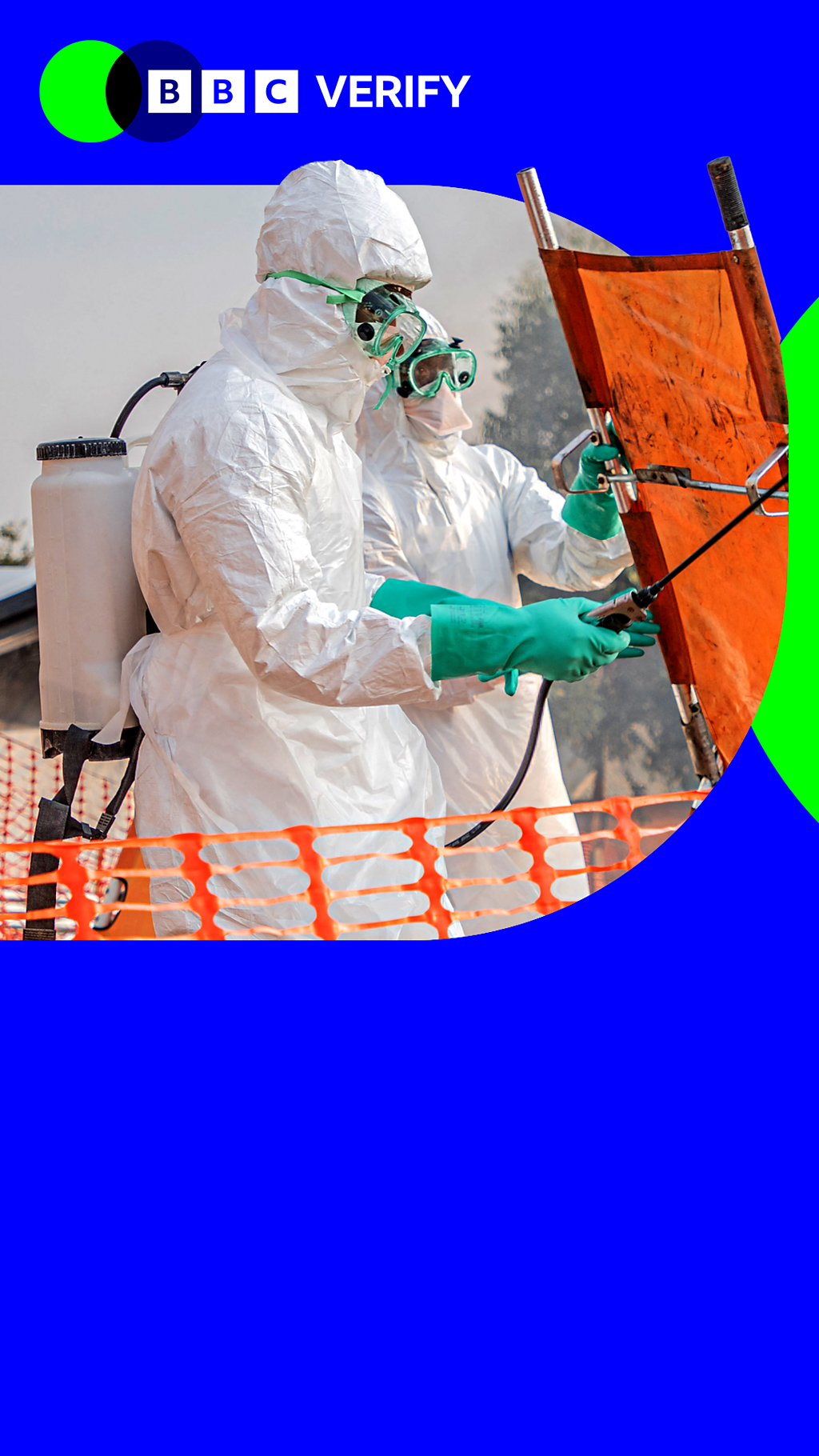
The ongoing Ebola outbreak in the Democratic Republic of the Congo, which first emerged in mid-May this year, has already triggered a devastating dual crisis: a rapidly spreading public health emergency compounded by dangerous falsehoods that have turned communities against the medical teams working to save lives. BBC Verify, the fact-checking division of the British public broadcaster, has conducted an investigation into multiple violent incidents targeting frontline health workers, all traced back to widespread misinformation circulating in affected regions. As of the latest official updates, the outbreak has infected more than 1,700 people across the country and claimed at least 580 lives, with case counts continuing to climb as responders struggle to contain both the virus and the harmful rumors undermining their work. Misinformation around Ebola is not a new phenomenon in central Africa, but its current impact has been particularly severe: false claims that health workers are spreading the virus themselves, or that Ebola treatment is a dangerous hoax, have convinced segments of the local population to attack medical convoys, storm treatment centers, and threaten staff. These violent acts not only endanger the lives of frontline workers but also severely disrupt outbreak containment efforts, allowing the virus to spread further into unmonitored communities. BBC Verify’s ongoing analysis underscores how quickly misinformation can travel through informal social networks in remote regions, turning a public health challenge into a security crisis that complicates international and local response efforts.