MBABANE, Eswatini – The southern African kingdom of Eswatini has welcomed a fourth cohort of deportees transferred from the United States under a bilateral third-country hosting agreement, with 11 new arrivals entering the country this week, the Eswatini government confirmed in an official statement released Thursday.
Acting government spokesperson Thabile Mdluli stated that the majority of this latest group hail from other African nations, and will remain in Eswatini on a temporary basis while the government upholds their fundamental human rights. “The government reaffirms that, during their temporary stay in the Kingdom, the fundamental rights of the third-country nationals will be respected and protected in accordance with the laws of the Kingdom of Eswatini and the Kingdom’s international obligations,” Mdluli noted in the statement.
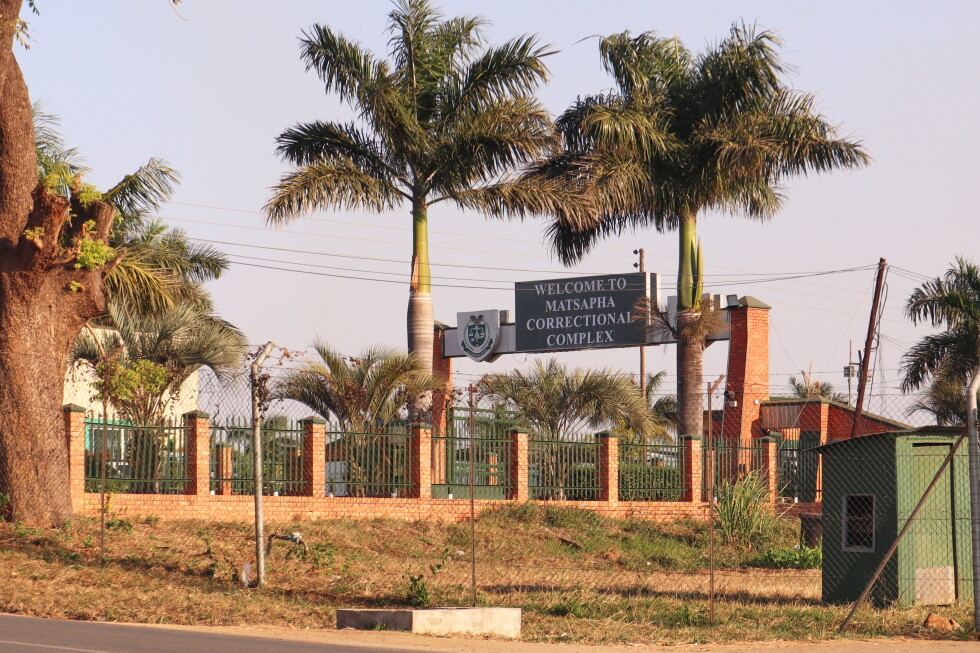
Mdluli also added that Eswatini has put in place layered security protocols to protect both the nation’s territorial integrity and the safety of its permanent residents for the duration of the deportees’ stay. Multiple officials familiar with the arrangement have confirmed that the 11 new arrivals will be temporarily housed at Matsapha Maximum Security Prison.
The Trump administration launched the third-country deportation program as a core part of its broader immigration enforcement crackdown, with rights advocates reporting that thousands of migrants who cannot be directly returned to their home countries have been transferred to nearly 24 nations around the globe, most across the African continent. Alongside Eswatini, countries including the Central African Republic, Equatorial Guinea, Sierra Leone, and the Democratic Republic of Congo have accepted groups of third-country deportees under these often-unpublicized bilateral deals.
Eswatini, a landlocked southern African nation of roughly 1.2 million people that shares borders with South Africa and Mozambique, first began accepting these U.S.-deported third-country nationals in 2025 when the bilateral agreement entered into force. To date, this newest group marks the fourth cohort of deportees received by the kingdom, making it one of the most active African participants in the Trump administration’s program.
To date, Eswatini has not publicly released the full terms of its agreement with the U.S. government, nor has it disclosed key details including the full nationalities of all deportees, their individual immigration legal statuses, or the exact length of time they are expected to remain in the kingdom. Only two previously transferred deportees have left Eswatini, returning to their home countries of Cambodia and Jamaica.
The deal has sparked significant pushback from both international human rights organizations and domestic Eswatini civic groups, with critics calling out the lack of transparency around the agreement and the absence of formal parliamentary oversight. Domestic civic groups have already launched legal action against Eswatini authorities, challenging the legality of detaining foreign deportees in prison without formal criminal charges. Eswatini officials have confirmed that the deportees can be held for up to 12 months before they are repatriated to their home countries.
Mzwandile Masuku, a prominent Eswatini human rights lawyer, argued that the ongoing transfers highlight deep gaps in institutional accountability within the kingdom. He warned that the untransparent practice could risk becoming normalized as a global immigration policy precedent if left unchallenged.
In response to criticism, the Eswatini government has defended its participation in the agreement, framing the arrangement as an expression of the kingdom’s humanitarian commitments while emphasizing that all activities under the deal adhere to Eswatini’s national sovereignty and domestic laws.
Associated Press reporter Michelle Gumede contributed reporting from Johannesburg, South Africa.