Australia’s benchmark stock index has extended its downward trend for a fourth consecutive trading session, as escalating geopolitical tensions between the United States and Iran triggered risk aversion among global and domestic investors, dragging down key mining shares while select sectors managed to eke out gains on Thursday.
The S&P/ASX 200 fell 22.60 points, or 0.26%, to close at 8762.50, while the broader All Ordinaries index dropped 18 points, or 0.20%, to settle at 8961.30. The Australian dollar held steady against the U.S. dollar, ending the trading day at 69.36 U.S. cents.
Against the overall market downturn, eight out of Australia’s 11 major industry sectors closed in positive territory, with energy, consumer staples and technology leading the gains. Energy stocks rallied in lockstep with climbing global crude oil prices, which were lifted by supply disruption fears tied to tensions in the key Strait of Hormuz. Woodside Energy gained 1.49% to $29.30, Santos climbed 2.00% to $7.65, and Ampol rose 1.47% to $35.29. Major domestic supermarket chains also posted solid gains, with Woolworths adding 1.35% to $40.44 and Coles increasing 1.11% to $23.67.
Offsets to these sector gains came from a sharp pullback in material and mining stocks, which were pressured by a dual hit of heightened Middle East conflict and softer-than-expected Chinese economic data. China is the world’s largest importer of iron ore, Australia’s top export, making the sector particularly sensitive to shifts in both Chinese demand and global risk sentiment. Shares in mining giant BHP fell 1.11% to $56.87, Rio Tinto slumped 3.25% to $158.52, and Fortescue Metals Group dropped 1.58% to $18.11, dragging the broader market lower.
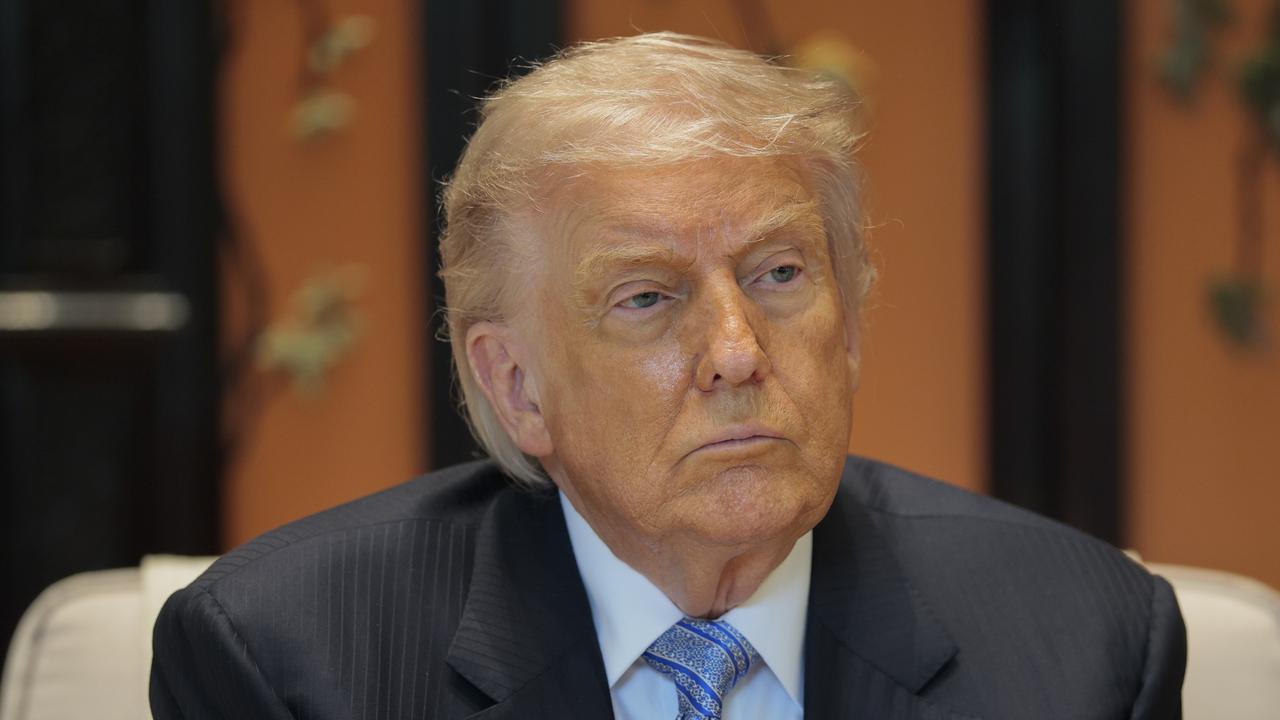
The market volatility was triggered by fresh threats from former U.S. President Donald Trump, who pledged “retribution” against Iran following alleged attacks on commercial shipping vessels transiting the Strait of Hormuz, a chokepoint through which roughly a fifth of the world’s oil supplies pass. After a series of exchanged attacks earlier this week, Trump confirmed new U.S. strikes against Iran in a Truth Social post, writing: “This is in retribution for yesterday’s bombing of ships by Iran. If it happens again, it will get much worse!”
Brent crude stabilized at $78 U.S. per barrel after a sharp rally on Wednesday, while West Texas Intermediate added 1% to trade around $74 U.S. per barrel, extending a three-day winning streak for oil prices. Shipping traffic through the Strait of Hormuz remains heavily disrupted, with only a small fraction of normal vessel traffic moving through the waterway, according to market analysts.
Marc Jocum, senior product and investment strategist at Global X, described the current market environment as “geopolitical whiplash” for domestic Australian investors. “One day hopes of de-escalation emerge, the next they disappear. Investors are playing a game of geopolitical whiplash, where optimism at breakfast can turn into panic by dinner as each new headline rewrites the market narrative,” Jocum said. “Renewed U.S. military strikes on Iran for a second straight day, alongside Mr. Trump’s dismissal of a ceasefire as a ‘waste of time’, kept risk appetite firmly on the sidelines.”
In individual company news, insurance broker Steadfast Group gained 0.78% to $5.19 amid ongoing discussions over a $7.7 billion takeover bid led by U.S.-based Amwins Group and investment firm Dragoneer Investments. New Zealand-headquartered building materials firm Fletcher Building jumped 7.55% to $2.99 after upgrading its full-year 2026 earnings guidance, now forecasting earnings before interest and tax of between $400 million and $403 million, including $52 million in revenue from surplus property sales. Commercial construction company FDC Consolidated soared 12% to $3.37 in its debut trading session on the ASX, which opened at 12:30 p.m. local time.