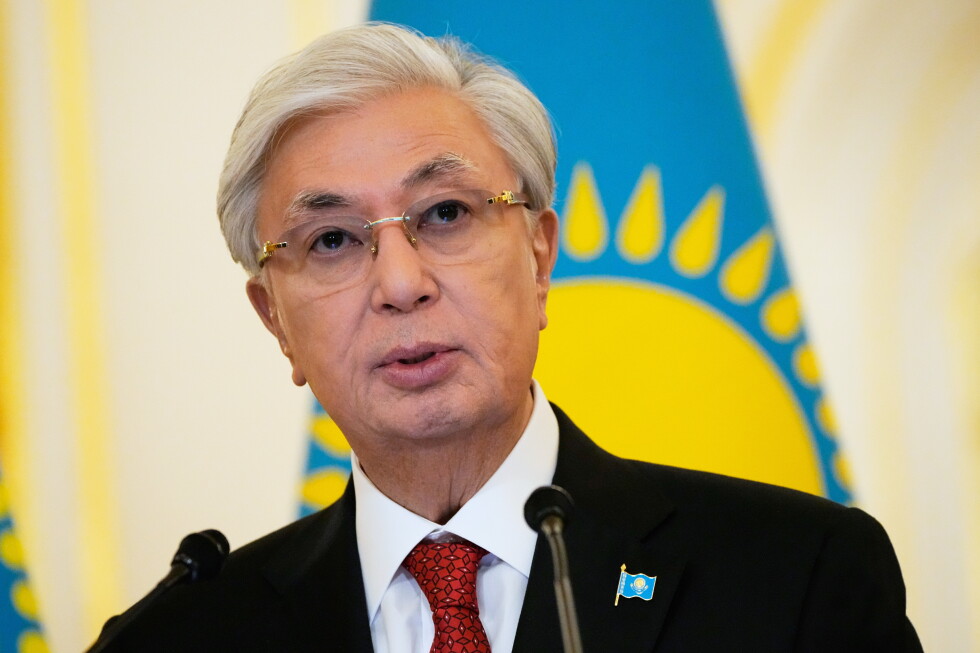
On Tuesday, Kazakhstan’s highest judicial body delivered a landmark ruling that paves the way for incumbent President Kassym-Jomart Tokayev to run for a third seven-year term when his current term ends in 2029. The decision hinges on constitutional amendments approved by national referendum in March that entered into legal force earlier this month, which reset presidential term count rules entirely.
Under the revised constitutional framework, Tokayev’s current tenure, which began after he took power in 2019, does not count toward the new two-term limit established by the amendments. This ruling aligns Kazakhstan with a broader trend across several former Soviet states including Russia, Belarus, Uzbekistan and Tajikistan, where ruling leaders have modified national constitutions to expand executive authority and extend their time in office.
At 73, Tokayev brings decades of diplomatic and government experience to the role: a former Soviet official and veteran United Nations diplomat, he has governed the oil-rich Central Asian nation, home to 20 million people, since he stepped into the acting presidency in 2019 following the resignation of Nursultan Nazarbayev, the autocrat who led Kazakhstan through its post-Soviet independence for nearly 30 years. Widely viewed as Nazarbayev’s handpicked successor, Tokayev has navigated complex geopolitical currents since Russia’s full-scale invasion of Ukraine in 2022, maintaining a carefully calibrated balancing act between Moscow and Western powers amid sweeping sanctions imposed on Russia.
The constitutional overhaul that cleared the way for his potential re-election won overwhelming support in the March referendum, and has significantly consolidated Tokayev’s hold on national power. The package of changes merged Kazakhstan’s previously bicameral parliament into a single chamber, restored the dormant vice presidential post, and granted the president authority to appoint all top government officials subject only to parliamentary approval. It also established a new legislative advisory body, the People’s Council, whose members are all appointed directly by the president and granted the power to initiate new legislation and call referendums.
Tokayev has defended the constitutional amendments as a necessary adjustment for a rapidly shifting global landscape, arguing the changes will enable faster, more decisive policy-making to address evolving challenges. However, the changes come against a backdrop of limited political opposition in Kazakhstan: mainstream opposition groups hold no seats in government institutions and lack the capacity to shift widespread public opinion. Tokayev’s tenure has also been marked by controversy: in 2022, he ordered a harsh crackdown on widespread nationwide protests that became known as “Bloody January” to locals, which left 238 people dead and thousands more injured. In the wake of the unrest, Tokayev positioned himself as a pro-reform candidate and called an early presidential election later that year, which he won by a landslide.