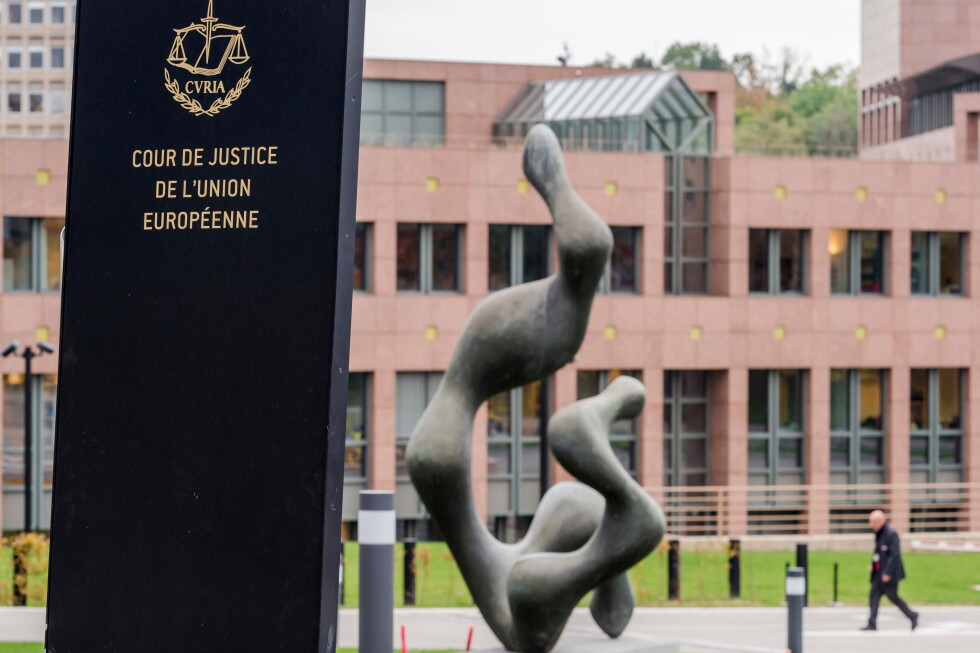
BRUSSELS — In a landmark decision that solidifies European regulators’ leading role in reining in the power of big tech, judges at the European Union’s highest judicial body have rejected Google’s final appeal against a record 4.1 billion euro ($4.5 billion) antitrust penalty. The fine was originally issued over allegations that Google abused the dominant market position of its Android mobile operating system to stifle competition and narrow consumer options.
The legal battle stretches back six years to 2018, when the European Commission first unveiled the penalty over Google’s business practices related to Android. Since that initial ruling, the case has wound its way through multiple layers of the EU’s judicial system, with Thursday’s judgment from the European Court of Justice bringing the long-running dispute to a definitive close.
“The appeal filed by Google and its parent holding company Alphabet challenging the earlier ruling from the General Court is dismissed in full,” the Luxembourg-based court stated in its official ruling. This outcome formally upholds the penalty that was originally handed down for anti-competitive behavior tied to Google Search’s abuse of market power within the Android ecosystem.
Android, an operating system Google positions as free and open-source, currently holds the title of the world’s most widely used mobile operating system, outpacing Apple’s iOS in global market share. Throughout the appeal process, Google maintained that its Android platform has driven down consumer prices for smartphones, expanded access to mobile technology, and created robust competition against its largest rival, Apple.
This penalty against Google is just one of three major antitrust fines that the European Commission levied on the tech giant between 2017 and 2019, which together add up to more than $8 billion in total penalties. These early enforcement actions placed the 27-nation EU years ahead of other major global economies in the movement to curb anti-competitive practices by the world’s largest digital firms.
In the years following those initial penalties, the European Commission has expanded its regulatory crackdown on big tech significantly, launching new antitrust investigations targeting other leading digital players including Amazon, Apple and Meta (formerly Facebook). It has also enacted sweeping new regulatory frameworks designed to specifically target the market power of the largest digital platforms, most notably the landmark Digital Markets Act.
Agustín Reyna, director general of the European Consumer Organization, praised the court’s final judgment, noting that the ruling underscores the need for expanded proactive regulation like the Digital Markets Act to stop unfair corporate practices before they harm consumers and competition. “Today’s judgment sends a very clear message: dominant companies cannot use their power to shut out competition and limit consumer choice,” Reyna said. “Today is a big win for Europe.”