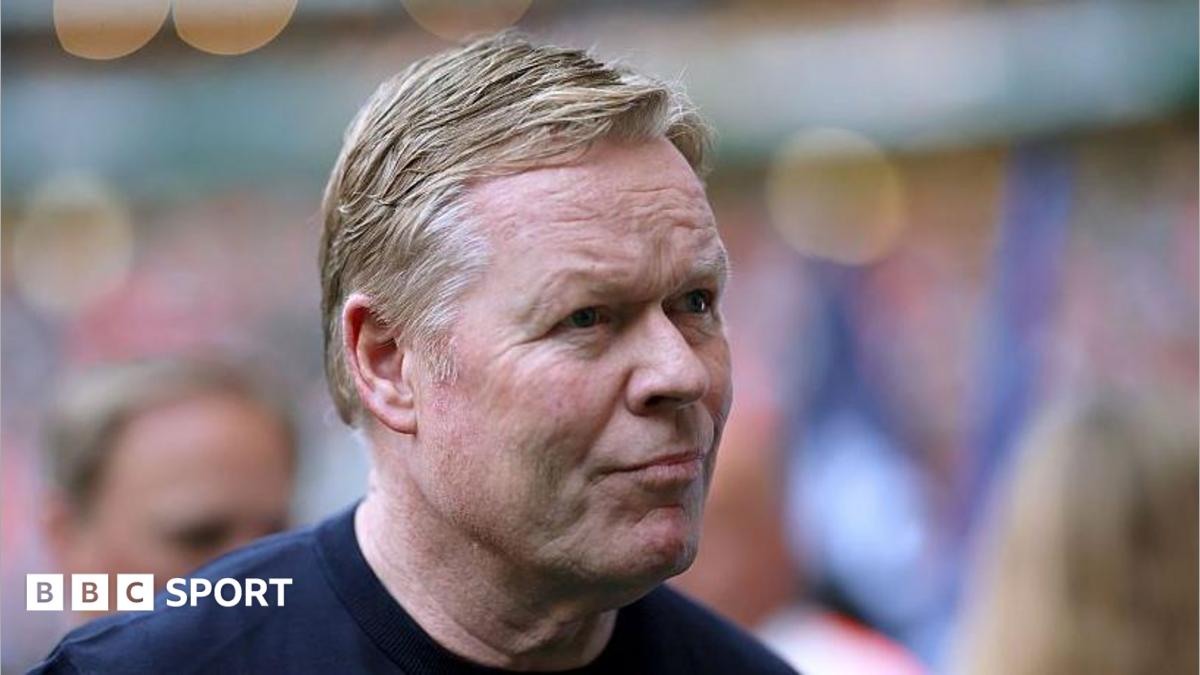
The Netherlands’ 2026 FIFA World Cup campaign has come to an abrupt and heartbreaking close, with the team exiting the round of 16 after a penalty shootout defeat to Morocco that triggered two major developments: head coach Ronald Koeman’s immediate resignation and a sweeping crackdown by the Dutch football governing body against online racist abuse of three miss-converting players.
The tightly contested match in Monterrey ended 1-1 after regulation time, forcing a decisive penalty shootout. When Justin Kluivert, Quinten Timber and Crysencio Summerville all failed to convert their spot kicks, Morocco secured its place in the next round of the tournament. In the hours that followed the defeat, the three young Dutch players were flooded with discriminatory, hateful and explicitly racist comments across major social media platforms, the Royal Dutch Football Association (KNVB) confirmed.
Just days after the exit, 63-year-old Koeman announced he would step down from his role as national team manager, ending his second spell in charge of the Oranje. In a candid public post on Instagram, Koeman reflected on his decades-long managerial career, saying he leaves feeling proud of the work he accomplished at both club and international level. “Looking back on my career, I feel especially proud. I have worked with clubs and people that shaped me and gave me memories that I will cherish for a lifetime,” Koeman wrote. “We all dreamed of a World Cup in which we would write history. That didn’t work out. No-one is more disappointed about that than me.”
Koeman’s resignation comes amid a personal health crisis for his family: his wife Bartina recently received a breast cancer diagnosis. The departing coach noted that recent years have shifted his perspective on priorities, making clear that family health outweighs professional football commitments. “The past years have made me realise again that there are more important things than football. Football has been my life, but health is priceless. When someone you love is fighting a tough battle, your perspective changes,” he added. Koeman also hinted that his departure could mark the end of his managerial career entirely.
In response to the targeted abuse of its players, the KNVB announced it will pursue criminal charges against anyone found to have sent discriminatory messages, marking one of the most aggressive actions by a national football association against online abuse. “We find this appalling,” the association said in a statement. “Once a report is filed, legal staff assess whether the statement constitutes a punishable offence. This can lead to a formal complaint being lodged with the Public Prosecution Service, which may then initiate a criminal investigation.”
This is not the first time high-profile European players have faced racist abuse after missing key penalties in major international tournaments. After England’s 2021 European Championship final defeat to Italy, Marcus Rashford, Bukayo Saka and Jadon Sancho were subjected to widespread online harassment following their penalty misses. That case ultimately resulted in two offenders receiving prison sentences and a third given a suspended sentence.
“Football brings together millions of different people, whereas discrimination does the exact opposite. It therefore runs counter to everything football stands for,” the KNVB added.
Dutch football expert Arthur Renard explained that while Koeman’s contract was set to expire imminently, the timing of his exit was shaped by his wife’s illness and the underperformance of the national side during his second tenure. Koeman first took charge of the Netherlands in 2018, and his first spell was widely viewed as a success: he integrated emerging talents like Frenkie de Jong into the squad, secured impressive Nations League wins over elite sides including France and Germany, and guided the team to qualification for the European Championships. He then left the role to take the top job at FC Barcelona before returning for a second stint as national manager.
From the start of his second term, Koeman struggled to replicate the success of his first tenure. Critics have repeatedly labeled his tactical approach overly defensive, a point highlighted by his surprise decision to field a five-defender formation against Morocco — a system the team had not trained with extensively. The tactical shift required a last-minute adjustment that left the Dutch side off-balance and allowed Morocco to control large portions of play, Renard noted. Koeman’s side never found consistent form during his second campaign: while the team earned two draws against Spain in Nations League play, it never returned to the high competitive level it reached during his first term.
Following the defeat to Morocco, it became clear that Koeman’s departure would open the door for a new coaching era for the Dutch national team.