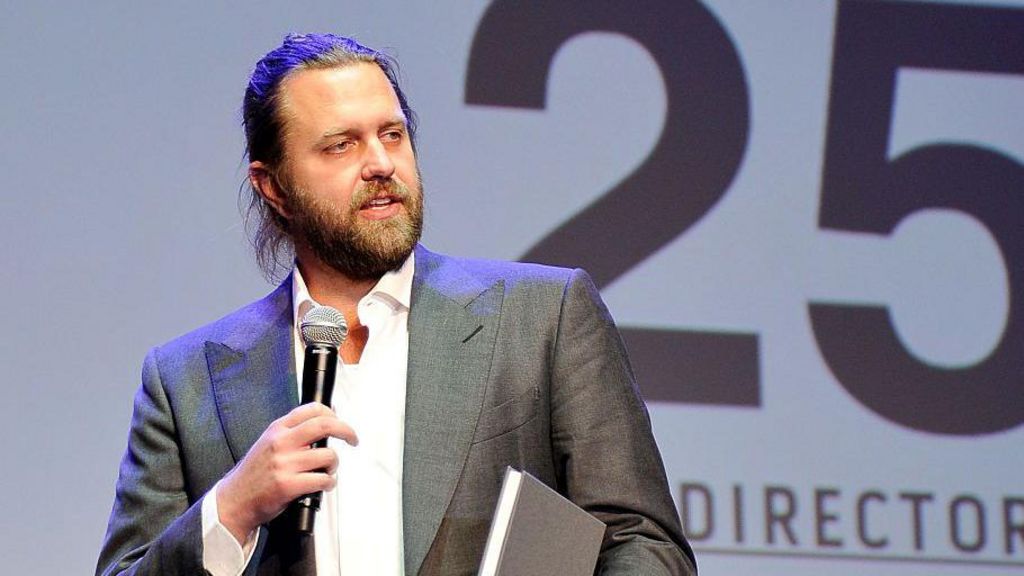
A well-known Hollywood filmmaker behind the 2013 action feature *47 Ronin* has been handed a 30-month federal prison sentence after being convicted last year of siphoning more than $11 million in production funds from streaming giant Netflix.
Carl Erik Rinsch, 48, faced a potential maximum sentence of 90 years behind bars for his convictions on federal wire fraud and money laundering charges, but received a far shorter punishment consistent with pre-sentencing recommendations. In addition to his prison term, U.S. District Judge Jay Rakoff ordered three years of supervised release following his release, ordered Rinsch to forfeit $11 million in illegally obtained assets, and imposed a $700 statutory fine.
The case centers on an unfinished science fiction series Rinsch was developing for Netflix, initially codenamed *White Horse*. Prosecutors laid out evidence that the streamer had allocated roughly $55 million in total production funding for the project, with $11 million earmarked specifically for final completion work that Rinsch had requested. Instead of directing those funds toward series production, Rinsch diverted the full sum into a personal bank account, prosecutors proved at trial. Within just a few months, half of the stolen funds had been lost through high-risk personal investments, including large bets on volatile cryptocurrency. The remaining money was spent on extravagant personal purchases, prosecutors confirmed, including a Rolls-Royce luxury automobile and high-end home goods such as a six-figure mattress.
During Rinsch’s one-week criminal trial held in Manhattan, multiple top Netflix executives took the witness stand to confirm that the streamer had only committed to producing one season of the sci-fi project, which Rinsch never delivered. In an unusual step for a criminal defendant, Rinsch testified in his own defense, arguing that the situation amounted to a misunderstanding and that he believed the funds were intended to keep the project on hold and retain key staff during the COVID-19 pandemic.
Prior to his sentencing, Rinsch publicly apologized to the court and formally accepted full responsibility for his criminal actions. In a statement following the sentencing ruling, U.S. Attorney Jay Clayton emphasized the broader meaning of the court’s decision, noting that the sentence sends a clear deterrent message that financial fraud against entertainment industry partners will not be tolerated.
Separately, reporting from *The New York Times* has shed light on Rinsch’s declining mental stability in the period after he signed the high-profile Netflix deal. According to friends and former colleagues, the director grew increasingly erratic, claiming he could predict natural disasters including lightning strikes and volcanic eruptions, and espoused unfounded beliefs about a “secret transmission mechanism” behind the spread of COVID-19.