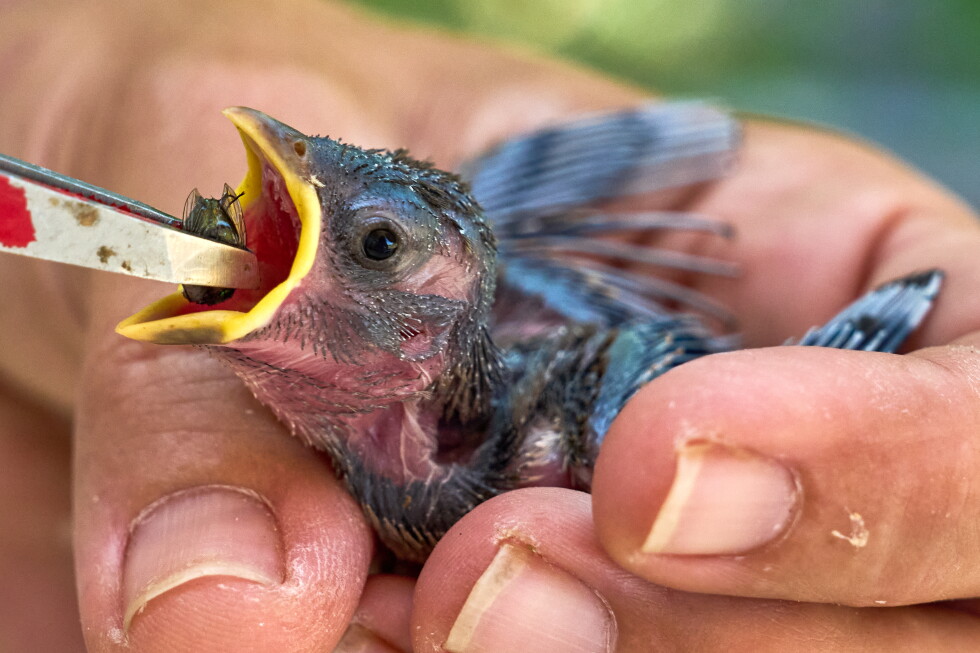
As record-breaking extreme heat and suffocating humidity blanket much of Europe this summer, the harm of soaring temperatures extends far beyond human communities. Native birds and wild animals across the continent are facing unrelenting heat stress, with little opportunity to cool down and recover. Among at-risk wildlife, birds hold an outsize role in global ecosystem health: they facilitate plant pollination, naturally control invasive pest populations, spread native plant seeds across landscapes, and even act as early bioindicators of broader ecological disruption. Wildlife experts have outlined clear guidance for how members of the public can identify birds in heat distress, offer safe assistance, and interact responsibly with other heat-impacted wildlife during the ongoing heat event.
To understand the risk birds face, it is first important to contextualize their natural heat adaptations. David Bird, emeritus professor of wildlife biology at McGill University, explains that birds are an extraordinarily diverse group, and many species have evolved specialized traits to cope with extended periods of warm weather. Unlike mammals, birds naturally maintain higher core body temperatures, typically resting around 38 degrees Celsius (100 degrees Fahrenheit) or slightly higher. To regulate their internal heat, birds can adjust the positioning of their feathers to reflect sunlight and increase airflow through their complex network of respiratory air sacs, alongside making targeted behavioral changes to avoid overheating.
Even with these adaptations, every bird species has an upper limit to the heat it can withstand, warns Aimee Van Tatenhove, a postdoctoral fellow at the Cornell Lab of Ornithology. “This level differs by species, and as you can imagine, species that live closer to the poles are often much more susceptible to heat than species that live closer to the equator,” Van Tatenhove noted. “Prolonged intense heat like Europe is experiencing right now is likely pushing many species toward their maximum heat tolerances, putting them at risk of heat illness or death.”
Unlike humans and many other mammal species, birds do not have sweat glands to cool their bodies through evaporative cooling. Instead, they rely on a set of alternative natural cooling mechanisms. Common backyard bird species often use gape: opening their beaks and panting to expel excess heat, a behavior nearly identical to how domestic dogs cool down on hot days. Other species use a strategy called gular fluttering, rapidly vibrating the thin pouch skin on their necks to increase heat exchange. Birds will also actively seek out shaded areas to avoid direct midday sun, and dip into shallow water sources like birdbaths, fountains and small ponds to bring down their core temperature.
When it comes to helping birds survive extreme heat, experts say there are several simple, low-effort measures members of the public can take to support local populations, though full protection during a record heat wave remains difficult. In the short term, households can place shallow containers of clean water in shaded, predator-safe areas around yards and public green spaces. Experts emphasize the importance of regularly cleaning these water sources to prevent the spread of avian disease. Maintaining stocked bird feeders is another simple step: this provides easy access to food for birds that avoid expending energy foraging in sweltering heat, and helps offset losses of natural insect populations— a core food source for many bird species that have declined sharply due to long-term climate change and pollution. For longer-term support, households that have outdoor space can plant layered native vegetation, including low-growing shrubs and taller canopy trees, to create permanent shaded habitats for local bird communities.
For heat-stressed birds that do not appear to be accessing the cooling and food resources people provide, experts advise against unnecessary intervention. “These birds know better than what we do about what is comfortable for them,” explained Jack Kottwitz, assistant professor at Michigan State University’s College of Veterinary Medicine. Most birds will actively seek out cooler temperatures on their own, moving to lower shaded perches or even areas near moving air from fans or natural breezes.
Guidance for other wild animals follows a similar core rule: avoid unnecessary intervention. Experts warn that offering unfamiliar food or water to non-avian wildlife, or attempting to bring wild animals into indoor spaces, can do more harm than good. Signs of extreme heat stress often overlap with symptoms of contagious diseases that wild animals can carry, so the only safe course of action when encountering a sick or injured heat-stressed animal is to contact a local licensed wildlife rehabilitator, who has the training and resources to provide appropriate care. “The best thing for wildlife is to let them be wild,” said Lisa Duke, sanctuary grounds manager at the W.K. Kellogg Bird Sanctuary, which is affiliated with Michigan State University. “They know what to do with their bodies.”
This reporting was produced by Alexa St. John, an Associated Press climate reporter. AP’s climate and environmental coverage receives financial support from multiple private foundations, with the AP retaining full editorial control over all content.