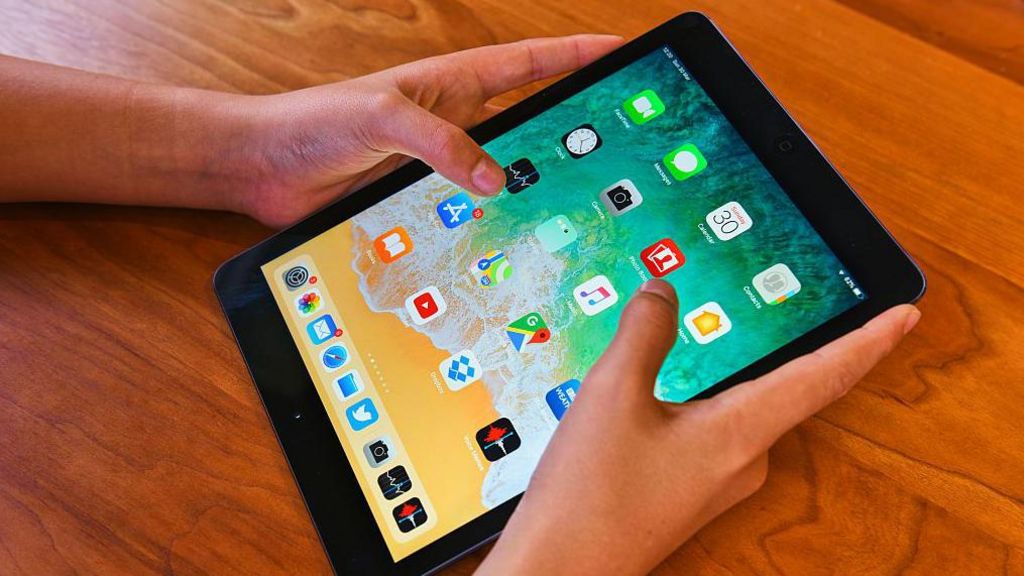
The global consumer electronics landscape is facing a new wave of cost pressures, driven by the explosive growth of artificial intelligence, and tech giant Apple has become the highest-profile firm to pass these increased expenses onto customers. The iPhone manufacturer announced this week it is raising prices on select MacBook and iPad models across nearly all global markets, with some devices seeing price jumps of nearly 20 percent, blaming an unprecedented surge in demand for memory and storage chips from AI data center operators that has upended component pricing across the entire industry.
In an official statement, Apple noted that the electronics sector is confronting an extraordinary challenge that has not been seen in modern memory. “We have never seen a component price increase this much, this quickly,” the company said, adding that it is “working tirelessly to find solutions” to stabilize costs for consumers. Until now, Apple had absorbed rising component expenses to keep product prices steady, but executives confirmed the strain has become too great to offset internally any longer. “We have shielded our customers from these increases so far, but we have now reached a point where we need to begin raising prices on a number of products, including today’s increases for iPad and Mac,” the statement read.
Concrete examples of the price adjustments are already visible on Apple’s regional retail stores. In the United States, the 1-terabyte storage configuration of the MacBook Pro saw a $300 increase, jumping from the original $1,699 price point to a new $1,999. In the United Kingdom, Apple’s most affordable laptop, the 13-inch MacBook Air (referenced as “Neo” in early pricing reports), has already increased by £100 just months after its launch, rising from an introductory price of £599 to £699. Notably, Apple has not extended these price hikes to its iPhone line as of this announcement.
Industry analysts say Apple’s decision confirms that the AI boom is no longer just a trend for cloud and enterprise services — it is now directly impacting everyday consumer hardware. Paolo Pescatore, a leading independent tech analyst, pointed out that even the world’s largest and most powerful technology company cannot escape the current component cost crisis. “This is a significant moment because even Apple, with its scale and buying power, is no longer immune to the rising cost of key components,” Pescatore explained in an interview with the BBC.
The root cause of the price spike traces directly to the massive expansion of AI infrastructure across the tech sector. To power large language models, generative AI tools, and other AI services, companies have built thousands of new data centers, all requiring massive volumes of dynamic random-access memory (DRAM) and high-capacity storage chips. This unprecedented surge in demand has created a severe supply-demand imbalance that has pushed component prices sharply higher across the board, with every device maker feeling the pressure.
Apple’s outgoing Chief Executive Officer Tim Cook first hinted at coming price adjustments earlier in June, speaking to The Wall Street Journal. Cook described the current state of memory chip pricing and supply as “unsustainable,” saying price increases were ultimately “unavoidable.” “We definitely need memory pricing and supply to return to reasonable levels for consumer products. That’s the bottom line,” Cook told the publication.
Apple’s move is not an isolated case. The company’s price hike follows a wave of similar adjustments across the technology sector, as other firms also grapple with elevated component costs. Just this week, gaming hardware leader Valve announced that its original target price for the Steam Machine gaming PC was no longer viable, forcing the company to launch the device at $1,049 in the U.S. and £879 in the UK — well above initial projections. The soaring chip costs have impacted everything from personal computers to video game consoles across the entire industry.
Market analysts expect Apple’s price hike to be the first of many across the PC and tablet space. David Naranjo, a senior analyst at market research firm Counterpoint Research, predicted that other leading brands will follow Apple’s lead in adjusting pricing in the coming months. “They may raise prices on select products, cut discounts on entry-level models, or adjust their product lines to focus more on premium devices,” Naranjo explained.
For Apple specifically, analysts say the company is well-positioned to absorb any consumer backlash, thanks to its extremely loyal global customer base. Dipanjan Chatterjee, vice president and principal analyst at research firm Forrester, noted that Apple’s customers have repeatedly shown a willingness to pay premium prices for Apple products. “If anyone can survive a price increase with minimal blowback, it’s Apple,” Chatterjee added.