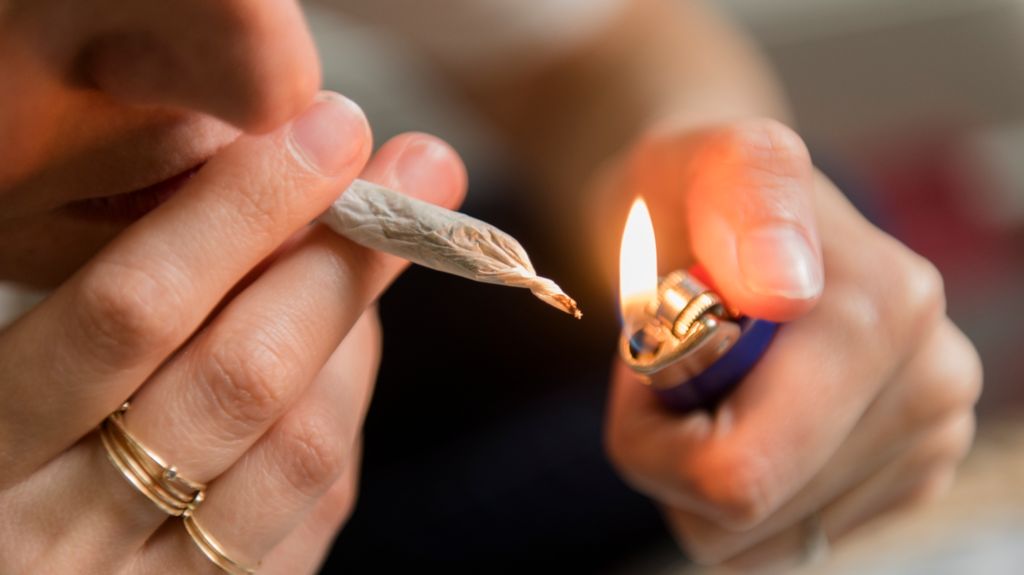
After months of stakeholder interviews, public hearings and careful deliberation, an all-party parliamentary committee in Ireland has tabled a landmark final report calling for the full decriminalization of all drugs held for personal use, marking a radical shift from the country’s decades-old criminal justice-focused approach to drug policy.
The Oireachtas Committee on Drugs, established by the Irish parliament to review the findings of the 2024 Citizens Assembly on Drug Use, formally released its recommendations on Wednesday. The 14-member body, made up of nine TDs from the lower house of parliament and five senators from the upper chamber, voted to endorse the Citizens Assembly’s core proposal to decriminalize personal drug possession, backing a holistic, health-centered framework instead of punitive legal measures.
In its findings, the committee pushed back against widespread concerns that removing criminal penalties for personal possession would drive up overall drug use. Committee members concluded that decriminalization is “not likely” to trigger a meaningful increase in national drug consumption. They did, however, acknowledge data from a small number of international jurisdictions that have implemented similar reforms, which recorded minor upticks in public drug use following decriminalization. To address this concern, the report recommends that local governments be empowered to introduce local byelaws modeled after existing regulations that restrict public alcohol consumption, to discourage and reduce open drug use in shared public spaces.
The proposal also includes major new harm reduction provisions, calling for updated national legislation to authorize mobile drug consumption facilities and fixed supervised consumption sites. The committee frames these sites as a dual-purpose reform: they will reduce the public health risks faced by people who use drugs, while also lowering the prevalence of open street drug use across Irish communities. Additionally, the committee has urged the national government to launch large-scale public education campaigns focused on sensible, harm-aware drug use that prioritizes reducing overdose deaths and preventable health harms.
One of the report’s most significant social policy recommendations calls for ending short prison sentences for non-violent drug possession offenses, particularly for primary caregivers who use drugs. The committee argues that a health-led approach to supporting these individuals, rather than incarceration, will enable sustainable recovery and allow parents and guardians to continue providing stable care for their dependent children.
The committee emphasized that both unregulated drug use and failed punitive drug policies create distinct public health and social harms, both of which require urgent, coordinated action from the state. It calls for a whole-of-government response that integrates public health, education and justice strategies, and urges the government to dramatically increase funding for community-based addiction support services and residential treatment programs.
The current national government, formed last year by a coalition of Fianna Fáil, Fine Gael and independent TDs, has not yet committed to full decriminalization. The existing government program only pledges to divert people caught with small amounts of drugs for personal use toward health services, rather than moving to full decriminalization. Now that the committee has formally submitted its recommendations, the national government will begin the process of reviewing and considering the proposals.
Speaking after the report’s publication, committee chair Gary Gannon, a Social Democrats TD, described the recommendations as a fundamental policy correction, not a minor incremental change. “This is not a marginal adjustment. It is a recognition that criminalising people for their own drug use has not reduced harm, and that a different approach is both possible and overdue,” Gannon said.
Deputy chair Mary Fitzpatrick, a Fianna Fáil senator, noted the widespread reach of controlled substances across Ireland, stating that “cocaine, cannabis, prescription drugs and new substances are now present in every county – in villages, towns and cities alike.” Fitzpatrick’s comments underscore the broad need for a coordinated national response to drug use that addresses the issue across all parts of the country, rather than only focusing on urban centers.