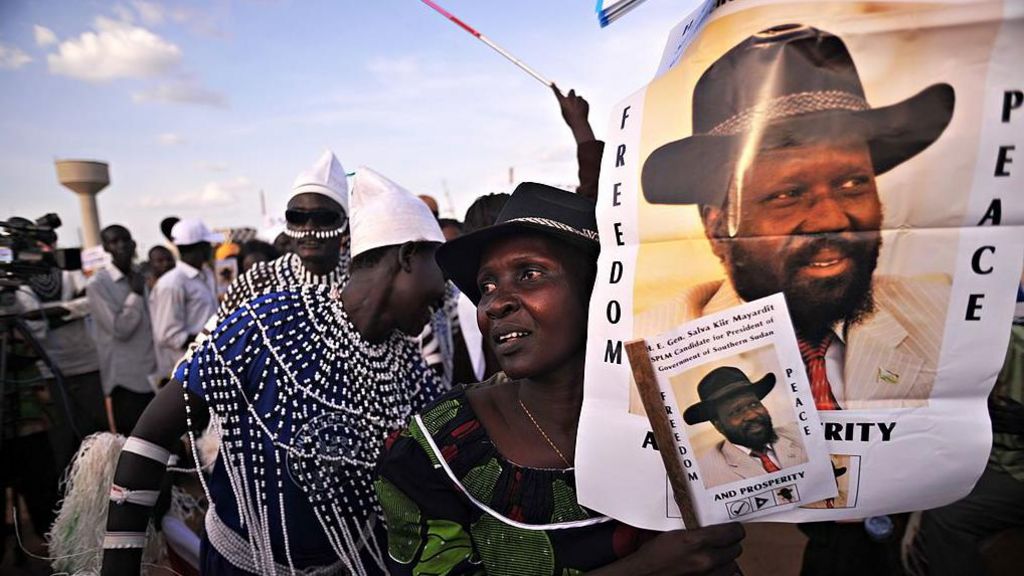
More than 15 years after South Sudan seceded from Sudan to become the world’s youngest sovereign nation, the country’s electoral commission has locked in December 22 as the date for its first democratic general election since independence — a vote that has already been delayed for more than a decade, and still faces major threats of further postponement or renewed large-scale conflict.
Prior to 2011, South Sudan existed as an autonomous region within Sudan, and its current ruling leadership has never faced a national electorate. Incumbent President Salva Kiir has held executive power for 15 years, and while he is widely expected to seek re-election, he has not yet made his official candidacy announcement. This long-awaited poll was originally scheduled to take place in 2015, but a devastating civil war that broke out shortly after the planned vote date forced an indefinite delay.
A 2018 power-sharing peace agreement established a unity government, with Kiir retaining the presidency and his long-time political rival Riek Machar taking the post of vice president. That deal set a new election timeline for 2022, however, ongoing tensions between the two leaders derailed all preparations for the poll, and no vote was organized that year. Persistent friction between Kiir and Machar still stands as one of the biggest barriers to a smooth, timely election today.
Last year, Machar was removed from the vice presidency, arrested, and hit with a slew of serious charges including murder, treason, and crimes against humanity — all of which he has denied. Since March 2024, Machar has been held under house arrest in the capital city of Juba, while low-intensity armed conflict continues to simmer across multiple regions of the country. The United Nations and other international actors have repeatedly warned that ongoing unrest could escalate back into a full-blown national civil war if political tensions are not resolved.
When announcing the official December election date last week, Electoral Commission Chair Abednego Akok Kacuol openly admitted that two major issues continue to hinder poll preparations: unpassed legal amendments required to govern the electoral process, and a persistent, major gap in funding for the commission’s work. “The political will to move this process forward does not rest with our commission; it lies with the national government,” Kacuol stated. When asked about what would happen if the required funding was not secured within the next six months, the electoral chief said his team would continue preliminary work while adjusting to a “more realistic timeline” for the vote if necessary.
In an official statement released Monday, the South Sudanese presidency reaffirmed Kiir’s commitment to upholding the terms of the 2018 peace agreement and keeping the country on a path toward peaceful, democratic elections. The statement added that preparations for cross-party dialogue focused on election-related issues are advancing, and the talks will serve as a platform to build consensus among all major political stakeholders.
Despite these assurances from the sitting government, opposition groups and domestic civil society organizations have raised widespread alarm over poor security conditions, restrictions on political freedoms, and the lack of meaningful progress on election preparedness. Machar’s main political party, the Sudan People’s Liberation Movement in Opposition (SPLM-IO), has issued a stark warning over the poll, describing any attempt to hold the current vote as inherently dangerous. Nathaniel Pierino, the group’s acting chairperson, said in a public Facebook post that any election officials attempting to register voters or run campaign events in territories controlled by the SPLM-IO would be treated as prisoners of war. “Be reminded, the country is at war,” Pierino added.