Three days of intensive talks focused on addressing the lasting harm of the trans-Atlantic slave trade concluded in Ghana’s capital Accra this week, with delegates from across Africa and the Caribbean unanimously backing a bold 19-point roadmap to advance reparatory justice against nations that profited from centuries of human trafficking.
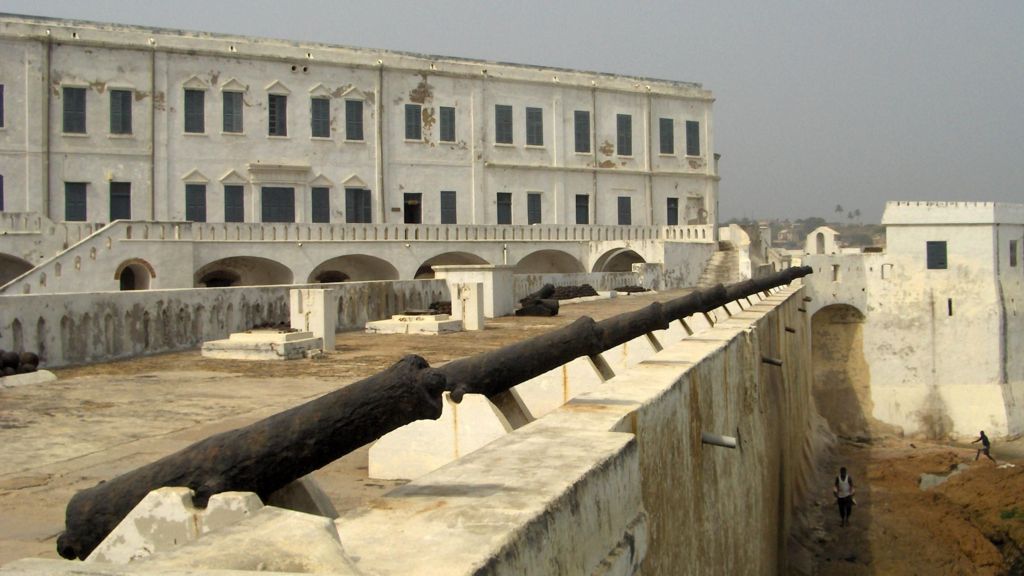
Hosted near Cape Coast Castle, one of the most infamous remaining strongholds that facilitated the forced displacement of millions of African people, the “Next Steps” conference built on a historic United Nations General Assembly resolution passed in March that formally labeled the 400-year transatlantic slave trade “the gravest crime against humanity.” That vote, which garnered 123 votes in support, was opposed by just three nations — the United States, Israel, and Argentina — while 52 countries including the United Kingdom and most European Union member states chose to abstain. Unlike binding Security Council measures, General Assembly resolutions carry no legal weight, but they carry significant symbolic and political capital for the global reparations movement.
Between the 15th and 19th centuries, an estimated 12 to 15 million African men, women and children were captured from their homelands, trafficked across the Atlantic Ocean, and forced into chattel slavery in the Americas. The legacy of that exploitation continues to shape systemic inequality and underdevelopment across African and Caribbean nations today, delegates emphasized.
The newly endorsed 19-point plan outlines core demands: sweeping debt relief for affected nations, the repatriation of thousands of cultural artifacts looted by former colonial powers during and after the slave trade era, and the creation of a dedicated global reparations fund — though negotiators did not announce a specific funding target in the final statement. The framework also for the first time centers the unique, disproportionate harm of slavery and intergenerational trauma on African women and girls, a gap that has long been overlooked in global conversations about the crime.
Beyond material redress, conference leaders issued a unified call for former slave-trading nations to issue a “full, formal and unconditional apology” for their role in perpetuating the trade. Opening the conference, Ghanaian President John Dramani Mahama framed the demand not as a push for collective modern guilt, but as a call to collective responsibility. “History does not ask us to inherit guilt, but it asks us to inherit responsibility,” Mahama told assembled delegates.
French President Emmanuel Macron delivered a virtual address to the conference, acknowledging that enslaved people were systematically dehumanized and treated as disposable commercial goods rather than human beings. But he pushed back against framing reparations as a one-time financial settlement, arguing that the issue should not be reduced to “a cheque written to bring the story to a close.”
To date, no sovereign nation has ever paid reparations to the descendants of enslaved Africans or to affected African, Caribbean and Latin American states. What little compensation has been distributed historically went exclusively to former slave owners, not to the people who were enslaved. Most notably, after abolishing slavery in the 1830s, the British government paid out compensation to enslavers equal to more than $21 billion in 2024 currency, a sum that was never redistributed to the families of the enslaved.
The UK has maintained a long-standing refusal to entertain reparations claims, arguing that current generations and modern institutions cannot be held legally or morally responsible for atrocities committed centuries ago. During the March UN General Assembly debate, UK Ambassador to the UN James Kariuki argued that “No single set of atrocities should be regarded as more or less significant than another.” The US ambassador echoed that position, saying the United States does not recognize any legal basis for reparations for historical acts that were not classified as illegal under international law at the time they occurred, adding that the UN resolution failed to clarify who would qualify as recipients of reparatory justice.