Long-strained diplomatic ties between the United States and South Africa have reached a new turning point, with the Trump administration confirming it will begin a phased withdrawal of critical U.S. funding for South Africa’s national HIV and AIDS response, linking the cut to unsubstantiated claims that the South African government has failed to protect the white minority Afrikaner community.
For years, the U.S. President’s Emergency Fund for AIDS Relief (Pepfar) channeled roughly $400 million (£300 million) annually into South Africa’s HIV programs, covering approximately one-fifth of the country’s total public spending on the epidemic. South Africa carries the world’s heaviest HIV burden, with more than 8 million people living with the virus across the nation. The program received a last-minute temporary extension last October via a short-term bridge plan, but that reprieve has now expired.
This funding cut marks the culmination of rapidly deteriorating bilateral relations that began shortly after Donald Trump’s second inauguration. Within his first weeks in office, Trump issued an executive order echoing his long-held false claims that South African government policies systematically erode equal rights for white South Africans and fuel violence against white landowners. The order also criticized two other major South African policies: the country’s landmark case against Israel at the International Court of Justice, and its documented diplomatic and economic ties to Iran. In justifying the aid cutoff, the White House framed these policies as “unjust and immoral” that disqualify South Africa from continued U.S. assistance.
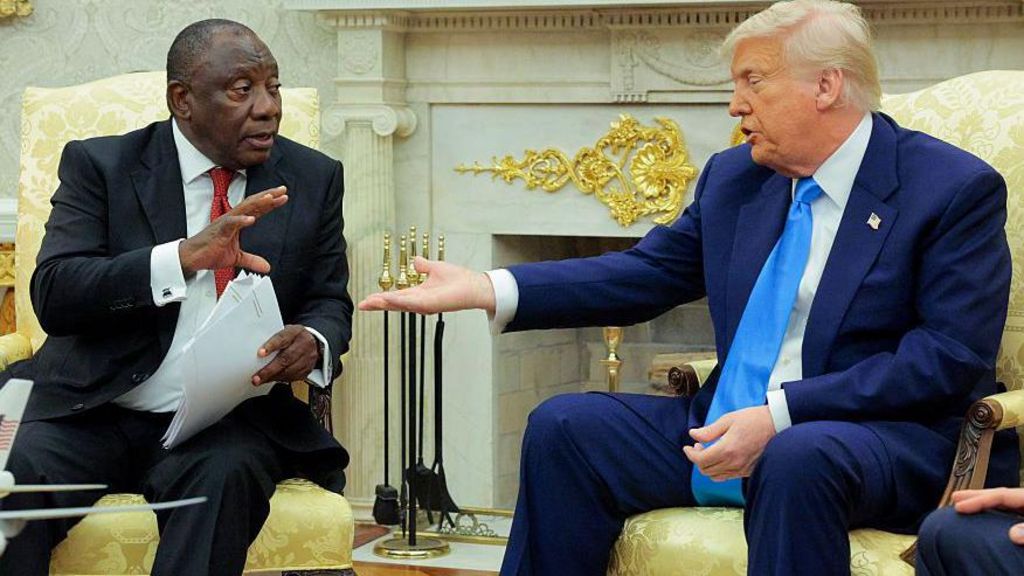
Trump has repeatedly amplified the discredited conspiracy theory of a “white genocide” targeting Afrikaners—descendants of 17th-century European settlers in southern Africa—an allegation that led his administration to launch a specialized refugee program prioritizing Afrikaner resettlement to the U.S. Currently, Afrikaners remain the only refugee group consistently approved for entry under the administration’s restrictive immigration policies. The rift was on public display just over a year ago, during a high-profile White House meeting between Trump and South African President Cyril Ramaphosa, where Trump directly confronted his South African counterpart with unproven claims of anti-white persecution. Subsequent efforts to repair bilateral ties have failed to gain traction, and the U.S. went as far as boycotting the G20 heads of state summit hosted by South Africa last November.
A senior U.S. State Department official confirmed the upcoming drawdown, explaining the decision stems from what the administration calls South Africa’s “failure to make demonstrable progress” on U.S. policy demands. Echoing the administration’s official framing, the official argued that the cut is intended to “foster self-reliance” and reduce South African dependence on American aid, noting that South Africa is classified as a middle-income country with the capacity to fund its own public health initiatives.
South Africa’s health ministry has responded to the news with cautious calm, noting that it had not received formal advance notification of the decision, but the country has been preparing for this transition for years through a pre-existing national self-reliance plan. Ministry officials clarified that while Pepfar made valuable contributions to broader HIV programming, the procurement of life-saving antiretroviral therapy (ART) for South African patients is funded entirely through separate national government budgets, insulating core treatment services from the funding cut.
Original reporting for this story was contributed by Pumza Fihlani in Johannesburg, with the original piece published by BBC Africa.