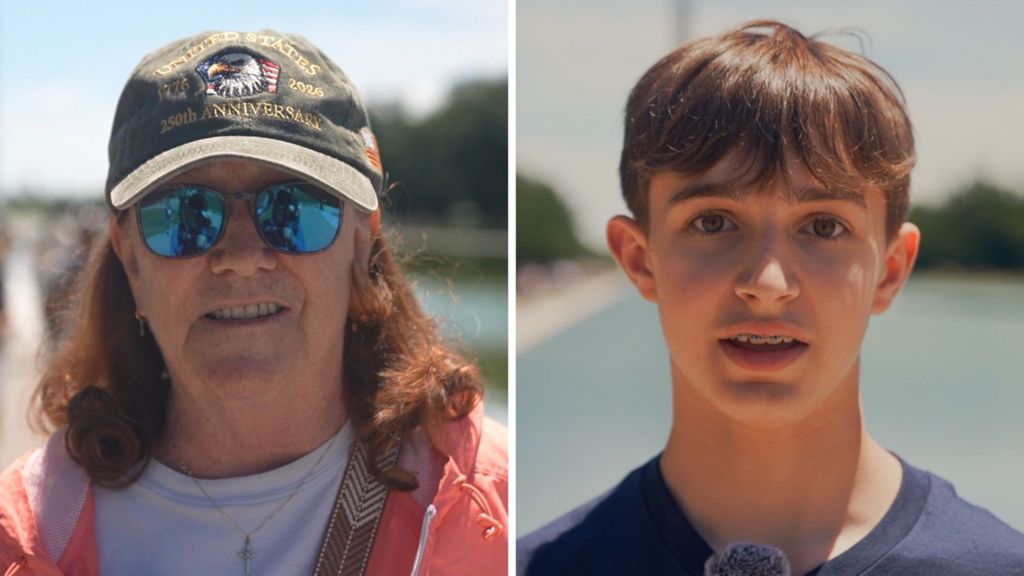
A new policy restricting minors’ access to social media rolled out in the United Kingdom, which bars all users under the age of 16 from major platforms, has crossed the Atlantic to ignite a fiery public conversation in the United States. As policymakers and parents across the country grapple with growing concerns over underage digital wellness, the British Broadcasting Corporation set out to capture a cross-generational snapshot of American opinion, asking respondents from multiple age groups whether the U.S. should follow the UK’s lead and implement an identical ban.\n\nThe question could not be more timely: for years, public health researchers, child advocacy groups, and lawmakers have raised urgent alarms about the impacts of endless social media scrolling on adolescent mental health, including rising rates of anxiety, body image disorders, and sleep disruption. The UK’s bold policy move represents one of the most aggressive regulatory actions to date to address these harms, making it a natural test case for other nations weighing similar restrictions.\n\nInterviews with American respondents revealed deep divides along both generational and ideological lines. Many parents and older Americans voiced strong support for the ban, arguing that persistent exposure to algorithm-driven social media content poses irreversible damage to developing brains and that regulatory intervention is long overdue. They point to growing bodies of research linking heavy adolescent social media use to poor mental health outcomes as irrefutable evidence that drastic action is needed.\n\nOn the other side of the debate, many younger respondents and digital rights advocates argue that an outright age ban is both unenforceable and an overreach of government authority. Young people themselves note that social media has become a core space for social connection, education, and organizing, particularly for marginalized teens who may not find accepting communities offline. Critics also point out that a ban does not address the root causes of adolescent mental health struggles, and would push underage users onto unregulated, less safe platforms that lack even the basic content protections major social media companies currently offer.\n\nAs the debate unfolds, the UK’s policy will be closely watched in the U.S. and across the globe, offering critical data on how such a ban works in practice and what its actual impacts on adolescent well-being and digital access turn out to be.