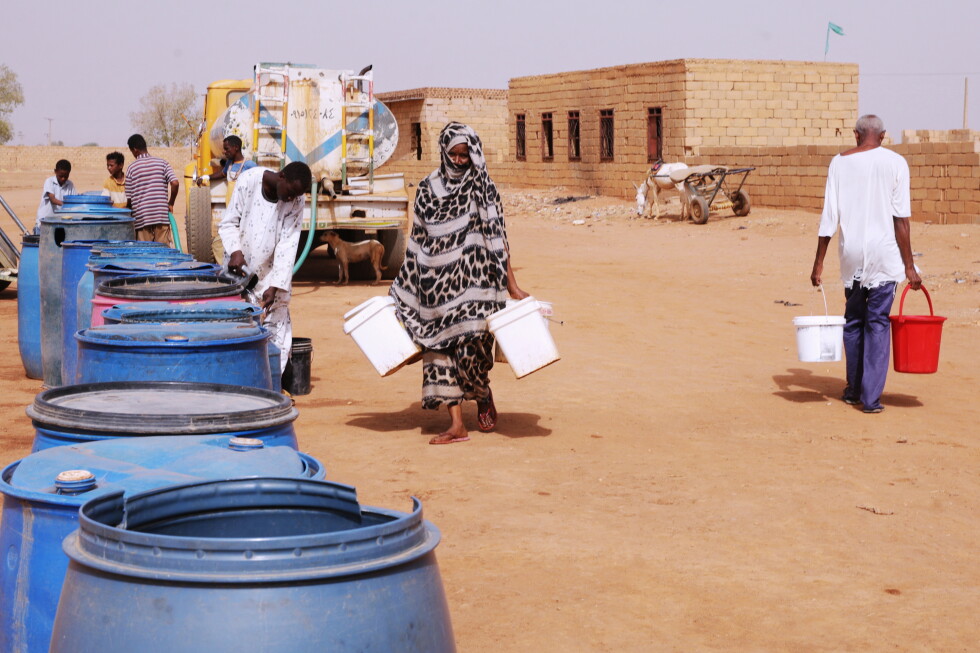
In a stark joint warning released Wednesday, two leading United Nations food security agencies have sounded the alarm that catastrophic acute hunger is on track to escalate dramatically across 13 vulnerable global hotspots over the coming months. Driven by a toxic combination of persistent conflict, plummeting humanitarian funding, and climate-related extreme weather, the crisis threatens to push millions more people to the brink of famine by the end of 2026.
The Food and Agriculture Organization (FAO) and World Food Program (WFP) outlined the grim outlook in their latest analysis, projecting that food insecurity conditions will deteriorate sharply between June and November 2026. Currently, an estimated 266 million people across the globe already face high levels of acute hunger, a figure that stands to grow rapidly without urgent intervention.
Four nations — Sudan, South Sudan, Yemen, and Palestine — remain the four highest-priority areas of greatest concern, according to the report. Two additional countries, Nigeria and Somalia, have been newly added to this highest-risk category amid rapidly declining conditions and soaring famine risks.
The agencies identified conflict and widespread violence as the single largest driver of acute hunger in nearly all the identified hotspots. These catastrophic conditions are being compounded by overlapping cascading crises: crippling economic shocks, drastic cuts to global humanitarian funding, and the looming disruptive impacts of the El Niño weather pattern, which is forecast to bring severe droughts and destructive floods to already vulnerable regions.
One of the most troubling trends highlighted in the report is the dramatic collapse in funding for life-saving food assistance and related support programs. Since 2022, global funding for these critical initiatives has plummeted by approximately 59%, even as global need for aid has surged to unprecedented levels.
“The warnings in this report cannot be ignored,” stated Carl Skau, Acting Executive Director of the WFP. “Without action now, millions more are expected to face worsening levels of hunger in the months ahead, pushing some closer to famine.”
The report noted that conditions in the Gaza Strip have shown modest improvement following a ceasefire implemented in October 2025, but the overall situation remains extremely fragile. Earlier this year, around 1.6 million people in Gaza — equal to roughly 77% of the territory’s analyzed population — experienced acute food insecurity and required urgent life-saving assistance. More than 500,000 of those people faced emergency-level hunger, with a smaller group already confronting catastrophic famine conditions.
Agency officials also warned that additional emerging pressures are further worsening the bleak outlook. Spillover instability from the ongoing broader Middle East conflict and an active Ebola outbreak in eastern Democratic Republic of the Congo have disrupted local food markets, destroyed livelihoods, and blocked critical aid access to vulnerable populations, exacerbating an already severe crisis.
In closing, the FAO and WFP called for swift, coordinated international action to scale up life-saving aid, protect vulnerable local livelihoods, and stop further deterioration of food security across the affected regions. The agencies emphasized that without immediate, targeted intervention, millions more people will face catastrophic hunger in the near future.