Tucked off the western coast of Africa, the tiny island archipelago of Cape Verde — home to just under 500,000 residents — erupted in nationwide celebration this week after its underdog men’s national football team held European and world champion Spain to a scoreless draw in their first ever FIFA World Cup group stage match.
The streets of the capital city Praia were flooded with jubilant fans from the final whistle onward, where the thunderous roar of vuvuzelas, rhythmic chants of national pride, and blaring car horns drowned out all other sounds. For locals, sharing a point against one of the most decorated teams in international football felt far more than a draw — to many, it was a victory that will be remembered for generations.
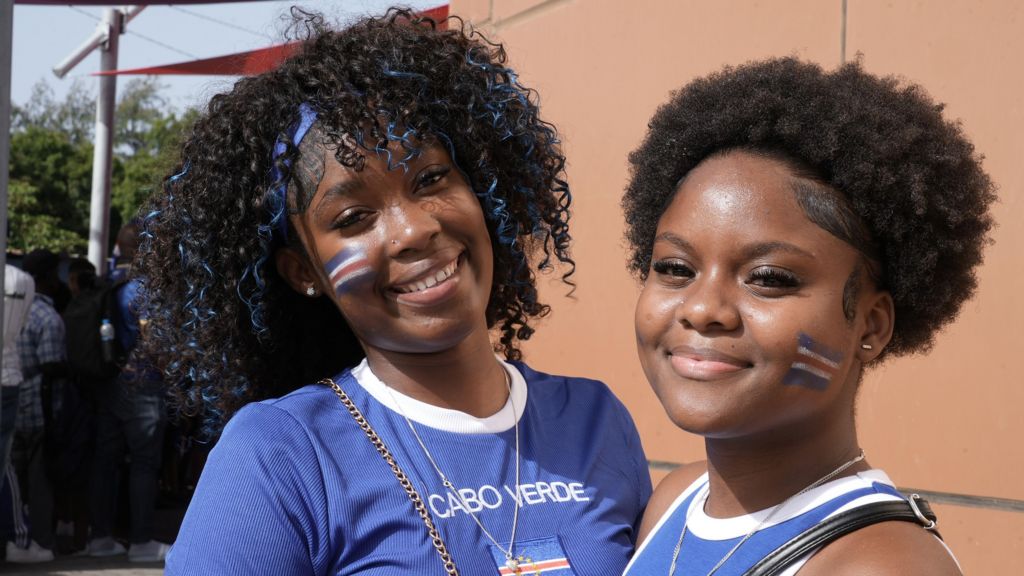
“It was an emotional moment,” Isa Conceição, a local supporter who watched the match in a packed downtown fan zone, told the BBC. Like thousands of fellow fans, she wore the team’s iconic blue national jersey, a visible display of pride for the Blue Sharks’ unprecedented run to the global tournament. By the time the referee blew the final whistle, communities across the entire island nation had broken out into wild, spontaneous celebration. “Being a small country and being able to achieve such a good result against Spain, a football powerhouse, is the greatest feeling ever,” Conceição added.
Men, women, and children packed public spaces across the country, dancing and singing along to the Cape Verdean Football Federation’s official 2026 World Cup anthem *Nos Óra Dja Txiga* — a phrase in Cape Verdean Creole that translates to “our time has come.” The line has taken on new meaning for the team’s fans, after the underdog side edged continental heavyweight Cameroon to qualify for the World Cup for the first time in the country’s history.
Heading into Group H, Cape Verde entered the tournament ranked as the lowest seed, drawn alongside two former World Cup champions: Spain and Uruguay, plus Asian side Saudi Arabia. The shock result against Spain has already turned global public opinion in their favor, with even visiting international supporters praising the team’s tenacious performance.
Pauline, a tourist visiting from France, told reporters that Cape Verde’s standout performance stemmed from one simple factor: “They played with their hearts. That’s all that matters.” A first-time Congolese visitor to the islands echoed that sentiment, noting “I thought Spain was going to win the match, but the energy, the speed of Cape Verde was just amazing.” Many other foreign tourists, drawn to Cape Verde’s famous idyllic beaches and tropical landscapes that draw roughly one million visitors every year, also said they were rooting for the tiny underdog side.
Across residential neighborhoods in Praia and beyond, the country’s blue, red, and white national flag hung from windows, balconies, and even the edges of rooftops. Drivers cruising city streets added to the celebration, leaning on their horns and yelling in celebration, with most displaying small national flags from their side mirrors or car windows.
The Blue Sharks’ tight, disciplined defensive performance against one of the world’s top offensive teams has already lifted domestic expectations, with many fans now holding out hope that the side can advance beyond the group stage. The team will face Uruguay next, followed by a final group fixture against Saudi Arabia, matches that will determine whether their historic World Cup run continues.
Even if the side fails to advance past the group stage, however, Cape Verdeans across the country say they already consider the tournament a success. The team’s performance has already put the small island nation in the global spotlight, and residents say they will remain fiercely proud of the impact the squad has had in lifting Cape Verde’s international profile. This story was reported by BBC correspondent Michel Mvondo, reporting on location from Praia, Cape Verde.