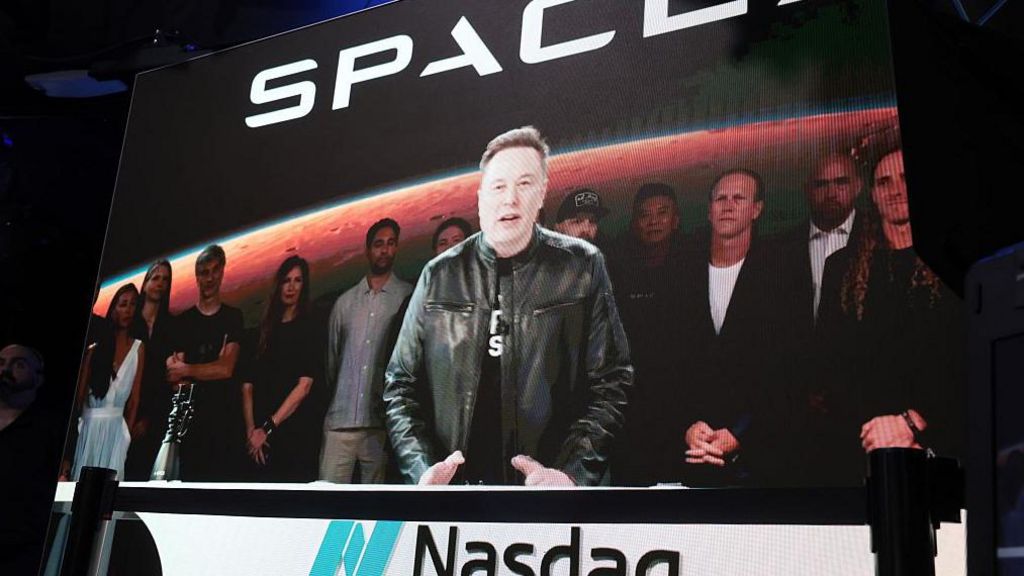
SpaceX, the aerospace and artificial intelligence firm led by Elon Musk, has closed the largest initial public offering in global history, raking in a total of $85.7 billion after underwriters fully exercised an overallotment option to add $10 billion in extra share purchases, the company announced in an official statement Friday.
The landmark listing on the Nasdaq stock exchange in New York was initially projected to raise $75 billion from global investors. That figure was already on track to break records, but overwhelming investor demand pushed the underwriting banks—led by industry giants Goldman Sachs, Bank of America, and JPMorgan—to trigger the so-called “greenshoe” clause, a common financial tool designed to stabilize newly listed stocks and manage excess market demand.
A greenshoe option allows underwriters to issue and sell additional shares beyond the original public offering size when investor appetite outpaces the initial share supply, preventing extreme price volatility during a company’s market debut. In this case, demand for SpaceX shares was so strong that underwriters purchased a full 83.3 million extra shares directly from the company, adding $10 billion to the total proceeds. Even this additional $10 billion alone would rank among the 10 largest IPOs in history, highlighting the unprecedented market enthusiasm for Musk’s company.
The successful blockbuster listing has also pushed Musk’s net worth past the $1 trillion mark, according to calculations from Bloomberg. The vast majority of Musk’s personal wealth is tied directly to SpaceX equity, meaning his new trillionaire status remains dependent on the company’s stock performance: a sharp market downturn could erase the title as quickly as continued gains could grow his fortune further.
Market momentum remained strong in the first full trading day following the listing. On Monday, SpaceX shares jumped more than 14% from its initial offering price of $135, closing at $184 per share. That price gives SpaceX a total market valuation of $1.8 trillion.
While investor enthusiasm remains high, industry analysts have sounded notes of caution. The company’s sky-high valuation leaves little margin for missteps, they say, pointing to ongoing challenges including growing regulatory scrutiny of the commercial space industry, rising competition from rival aerospace firms, and the fact that SpaceX has yet to turn a consistent profit. Questions remain over whether the company can maintain its aggressive growth trajectory to justify its current market valuation.