A surprise breakthrough in diplomatic talks between the United States and Iran that will end open hostilities between the two nations has landed as a politically timely birthday gift for former and current US President Donald Trump – one that comes wrapped in significant layers of uncertainty, multiple senior sources and official statements confirm.
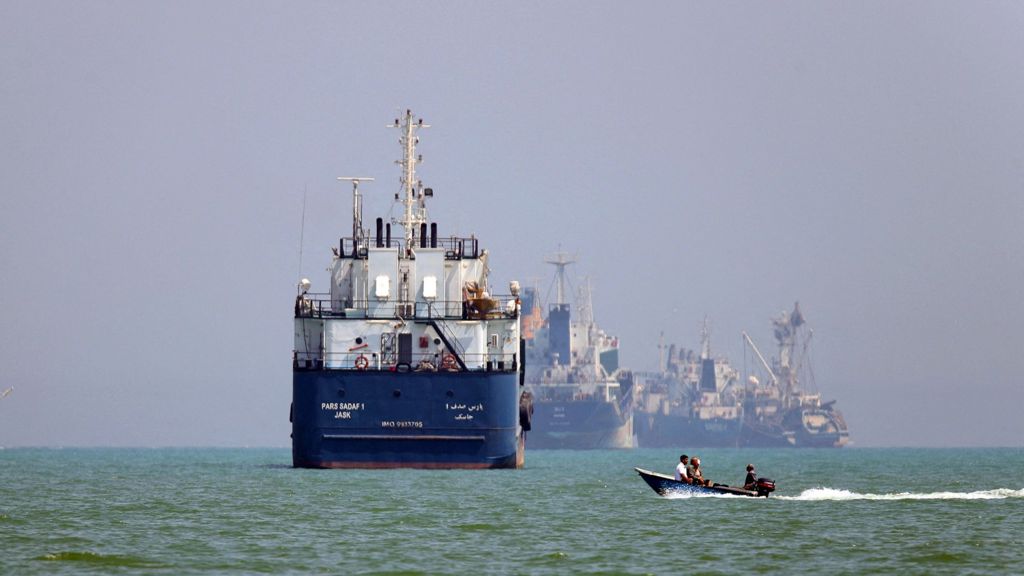
In a social media post announcing the tentative agreement over the weekend, Trump confirmed the strategic Strait of Hormuz, a critical chokepoint for 20% of the world’s daily oil supply, will reopen to unimpeded commercial shipping, and the US will end its naval blockade of Iranian export routes. “Let the oil flow!” Trump wrote in the post Sunday.
The president went on to frame the agreement as a historic win, contrasting it with what he cast as failed diplomatic efforts by his predecessors. He claimed the deal would deliver lasting “peace and security to the whole region” – sweeping rhetoric that mirrors past declarations from Trump, including his 2025 claim that a ceasefire deal ending the Gaza War would bring “a peace for all eternity.” That agreement has yet to deliver on its most ambitious promises, with stability remaining elusive in the region more than a year on.
As with all high-stakes international diplomatic accords, the success or failure of the US-Iran deal will ultimately come down to fine print – and right now, that fine print is largely missing.
US Vice President JD Vance told Fox News in a Sunday evening interview that a permanent ban on Iran developing a nuclear weapon is a core component of the agreement, and that Washington has secured robust mechanisms to verify Iranian compliance. But critical questions remain unanswered: what specific limits will be placed on uranium enrichment activities, and how will the deal address Iran’s existing stockpile of highly enriched uranium?
A 60-day extension of the current ceasefire has been agreed to allow for further technical negotiations and to resolve outstanding details. But after decades of international efforts to curb Iran’s nuclear ambitions through both negotiation and pressure, no final outcome can be guaranteed, even within the framework of the newly announced memorandum of understanding.
Iran’s Supreme National Security Council underscored this ambiguity in a Sunday statement, noting that “final negotiations will be postponed until after the implementation of the other party’s commitments under the memorandum.” The exact text of those commitments, and how Iran chooses to interpret them, will be a core determinant of whether the deal holds long-term.
Energy market analysts caution that even with the deal in place, full pre-conflict shipping volumes through the Strait of Hormuz will not rebound overnight. Clearing a massive backlog of stranded tankers, removing naval mines laid during the conflict, and restoring regular oil production and export infrastructure will take weeks of coordinated work.
With the official signing ceremony still several days away, both sides have time to resolve sticking points – but that window also leaves room for the agreement to collapse entirely. One major wildcard that could derail the deal is Israel, which has been a key actor in the recent regional conflict.
Speaking to the Wall Street Journal on Sunday, Trump said he was furious with Israeli Prime Minister Benjamin Netanyahu over newly ordered Israeli strikes in Lebanon that the US president believes nearly killed the nearly finalized Iran deal. While the agreement survived to be announced, any new large-scale Israeli military operations in Lebanon could push Iran to reclose the Strait of Hormuz, putting new pressure on the global economy and sinking the accord.
Vance acknowledged Sunday that the months-long conflict has already hit American households hard, driving up energy prices and creating broader economic ripple effects across the country. “My primary message to the American people is thank you,” he said, promising that energy costs will begin to fall in the coming weeks.
How quickly energy prices decline, and how fast those savings translate to lower overall consumer costs for households already struggling with financial strain, will play a major role in determining whether political pressure on Trump’s Republican Party eases ahead of November’s midterm congressional elections. Recent polling shows growing public discontent with the administration’s economic performance: a YouGov survey released last week found 63% of Americans disapprove of Trump’s handling of the economy, with 57% saying they believe economic conditions are worsening.
Even if the deal’s larger strategic goals remain unfulfilled for now, Sunday’s announcement is expected to ease at least some of the economic strain caused by the conflict. If gasoline prices begin to fall substantially, that will give voters a tangible signal of improvement ahead of the midterms.
The agreement marks a notable step back toward the regional stability that existed before the outbreak of the US-Iran war, even as Trump’s core policy goals remain unmet and he continues to face significant political risk at home.