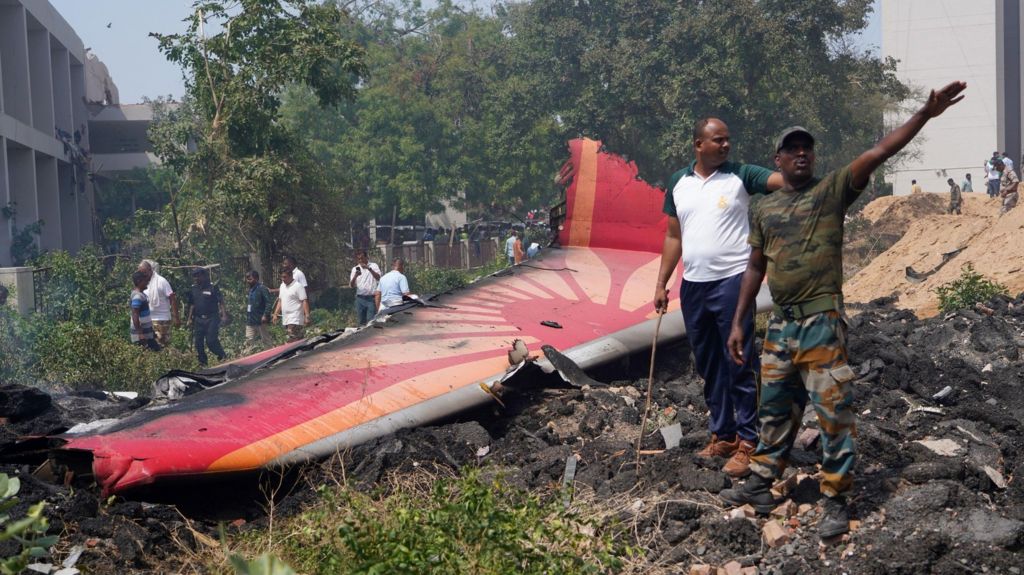
June 12, 2026 marks exactly one year since the deadliest aviation disaster in recent Indian history, when Air India flight AI171, a Boeing 787 Dreamliner bound for London, crashed moments after departing Ahmedabad, leaving 260 people dead. All but one passenger and crew on board were killed, and another 19 people on the ground also lost their lives in the impact. On the anniversary of the tragedy, India’s official Aircraft Accident Investigation Bureau (AAIB) has confirmed that the probe into the crash remains active, with the final public report only scheduled for release once the investigation reaches a conclusive outcome.
In an official statement marking the anniversary, the AAIB said investigators have made “significant progress” across multiple core areas of the inquiry. This includes detailed forensic examinations and technical analysis of the crashed aircraft’s systems, data extracted from both the flight data recorder and cockpit voice recorder, physical inspections of engine components, and full reviews of the plane’s maintenance history and pre-departure operational records. However, the bureau declined to share any fixed timeline for when the investigation will be wrapped up, leaving families of the victims and the global aviation community still waiting for a definitive answer on what caused the crash.
Since the disaster struck on June 12, 2025, the exact root cause of the crash has been the subject of intense public speculation. A preliminary report released by the AAIB one month after the crash, in July 2025, already revealed a critical anomaly that occurred mere seconds after takeoff: the plane’s fuel-control switches unexpectedly shifted to the “cut-off” position, cutting off all fuel supply to both engines and causing a complete total loss of power that left the aircraft unable to stay aloft.
Cockpit audio recordings recovered from the crash site captured a striking exchange between the two pilots, with one asking the other why he had moved the switches, and the second responding that he had not done so. Investigators have not publicly confirmed which pilot made each statement in the exchange.
Weeks after the preliminary report was published, two major international media outlets — The Wall Street Journal and Reuters — published reports citing anonymous investigation sources that pointed new scrutiny to the flight’s senior commander, Captain Sabharwal. Reuters specifically reported that the cockpit recording supported the theory that the captain had intentionally cut fuel flow to the aircraft’s engines.
These media reports sparked immediate widespread pushback from Indian aviation industry groups, including national pilots’ associations. The associations criticized the unconfirmed leaks to media, rejected outright the claims that the senior pilot caused the crash, and also pushed back against what they called premature reporting by the outlets. To date, the AAIB has not endorsed the unconfirmed claims shared by the media, and has not publicly named any individual as a party at fault for the disaster. As the world marks one year since the crash, the investigation continues with no clarity on when families will get a final, official answer.