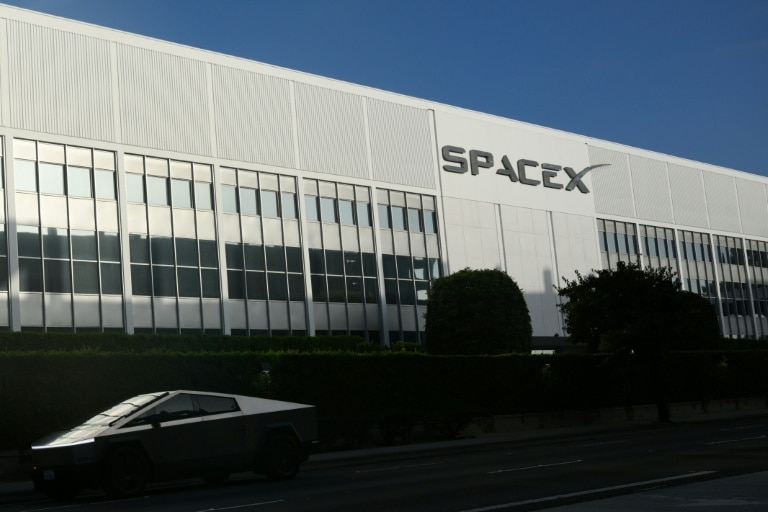
SpaceX is on the brink of making Wall Street history, entering its final pricing phase on Thursday ahead of a Friday trading debut that is set to become the largest initial public offering ever recorded. The groundbreaking offering not only has the potential to catapult co-founder and CEO Elon Musk to unprecedented trillionaire status, but also sets the stage for a wave of tech and artificial intelligence public debuts in the coming months.
Founded by Musk in 2002, the aerospace and rocket firm will begin trading on the Nasdaq exchange Friday morning, with market observers across the globe closely watching to see how Wall Street absorbs the blockbuster offering that could send ripples through global financial markets. In keeping with longstanding tradition for high-profile market debuts, Musk and other SpaceX executives are scheduled to ring the Nasdaq opening bell at the exchange’s Times Square headquarters in New York to mark the occasion.
This IPO marks the largest financial gambit of Musk’s already storied career. Earlier this year, the billionaire folded two of his other major ventures — his AI startup xAI and his social media platform X, formerly Twitter — into SpaceX, including both assets in the public offering. The company is rolling out more than 555 million shares to investors at an expected price of $135 per share, a valuation that would land SpaceX firmly among Wall Street’s most valuable elite companies with a total market capitalization of roughly $1.8 trillion.
The final price of the offering will be confirmed during pricing sessions Thursday, and widespread speculation has emerged that SpaceX could raise its target offer price. Bloomberg reports that the offering has already drawn investor demand for more than four times the number of available shares, signaling overwhelming early interest. In a break from typical IPO structures, 30% of all available shares have been reserved for retail investors — three times the standard allocation for individual small-scale investors, giving ordinary Musk supporters the opportunity to purchase a stake in the company.
The entire success of the historic offering hinges largely on investor confidence in Musk’s reputation as a visionary tech entrepreneur. Following the IPO, Musk will hold three of the most powerful roles at the public company: chief executive, chief technology officer, and board chair. If the IPO performs as expected, it will create thousands of new millionaires and hundreds of new billionaires among current and former SpaceX employees, as well as early investors who backed the company across its nearly 25 years of private operation.
Even with overwhelming early demand, the offering has split opinion on Wall Street. Many analysts and investors have voiced caution over the company’s financial outlook, noting that the $1.8 trillion valuation depends almost entirely on Musk delivering on a slate of ambitious, science fiction-level goals that rely on unproven technology. These projects include developing orbital space-based data centers and establishing crewed human settlements on Mars, both of which remain far from commercial viability.
On paper, SpaceX’s growth trajectory is staggering: the company reported $18.7 billion in revenue in 2025, but it also posted a net loss of $4.9 billion for the year, reflecting heavy ongoing investment in research and development for its next-generation projects. In its public IPO filing, SpaceX made an extraordinary long-term prediction that the company would eventually generate more than $28.5 trillion in annual revenue across its various operating markets. When it launches, the SpaceX IPO will easily surpass the 2019 Saudi Aramco public debut, which raised $29.4 billion and has held the title of the world’s largest IPO for more than six years. It also leads a wave of big tech and AI companies set to go public, with both OpenAI and Anthropic having already filed regulatory paperwork for their own market debuts expected to follow SpaceX.