BUENOS AIRES, Argentina – In the wake of an unusual hantavirus outbreak that sickened passengers on an Atlantic cruise ship last month, Argentine health authorities announced Friday they are broadening their investigation into the origins of the virus, launching new field work in the western province of Mendoza even as they wait for critical lab results from tests in the southern city of Ushuaia.
The rare event that hit the MV Hondius has already killed three people, infected 11 confirmed cases, and put repatriated passengers from more than 20 nations into targeted quarantine. Experts say untangling the outbreak’s origin will fill key gaps in knowledge about the little-studied Andes hantavirus, a strain carried by wild rodents that is endemic to parts of Argentina and Chile. Unique among hantaviruses, the Andes variant is the only one known to spread from person-to-person in some scenarios, making it a particularly high priority for study.
The first known victims of the outbreak were a Dutch tourist couple who died in April, shortly after disembarking from the cruise which departed from Ushuaia, the southernmost major city on the South American continent located in Tierra del Fuego. Reconstructing the chain of infection has proven challenging, and health officials have acknowledged it may never be possible to pinpoint exactly where the couple contracted the virus before they boarded the vessel. Still, epidemiologists are combing through travel histories, activity timelines and infection data from all confirmed cases to map out how the virus moved through the ship.
Current working hypotheses among Argentine researchers point to the male tourist being exposed to infected rodent urine or droppings during the couple’s multi-month road trip across Argentina and Chile, before the cruise departed. The standard incubation period for Andes hantavirus ranges from roughly three weeks up to two months, aligning with the timeline of the couple’s travels. The couple visited Malargüe, a city in Mendoza’s famous wine-growing region, during the final leg of their Argentine journey before traveling south to Ushuaia to catch the cruise.
Shortly after the outbreak was confirmed, Argentina’s national Health Ministry flagged Ushuaia as a potential origin site, sending researchers from the country’s top public health laboratory, the Malbran Institute, to collect wild rodent samples from forested areas around the city. But local officials in Ushuaia — a tourism hub that brands itself as the “End of the World” — have pushed back aggressively against the suggestion. Local authorities note that while Andes hantavirus infects a few dozen people annually in Patagonian regions further north, the pathogen has never been detected in Ushuaia or the broader Tierra del Fuego archipelago. As of Friday, lab results from those Ushuaia rodent samples are still pending.
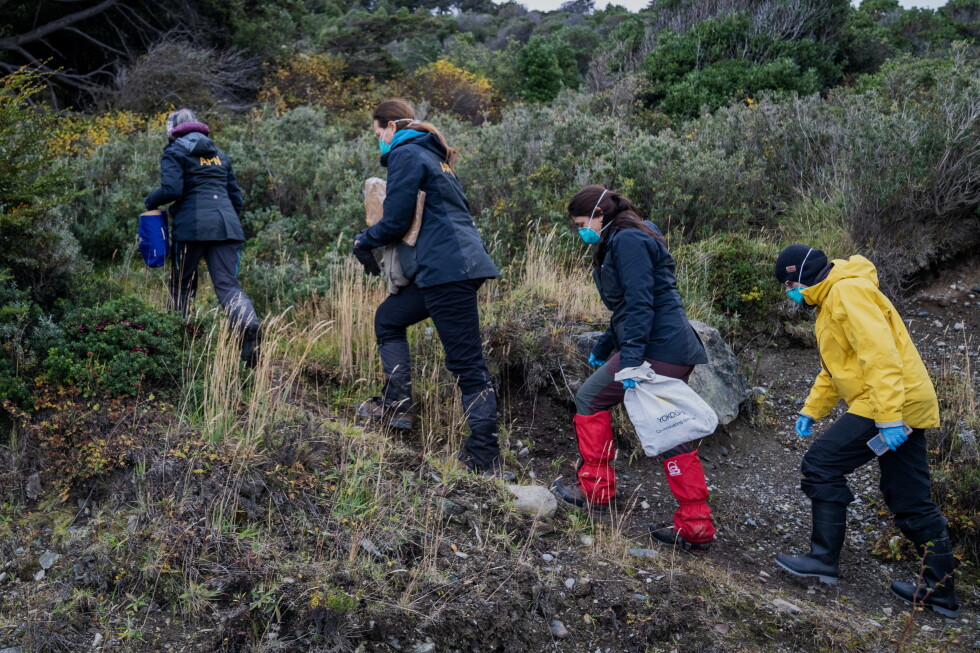
The new phase of investigation launching next week will bring together specialists from the Malbran Institute and biologists from the U.S. Centers for Disease Control and Prevention, who will conduct rodent trapping and testing in Malargüe, Mendoza between June 8 and 12. Malbran Institute director Claudia Perandones met with CDC representatives in Buenos Aires Friday to finalize plans for the field work. Teams will work in full protective gear to collect blood samples from captured rodents, before shipping the samples back to the main Malbran lab in Buenos Aires for analysis. Officials confirmed full test results could take up to four weeks to complete.
Global health officials have stressed that the outbreak does not represent a major pandemic risk. The World Health Organization has stated that the overall risk of widespread sustained transmission of Andes hantavirus remains low. Even so, the variant has sparked global concern due to its mortality rate, which can reach 30% among infected people, and the current lack of specific antiviral treatments or approved vaccines for the disease.