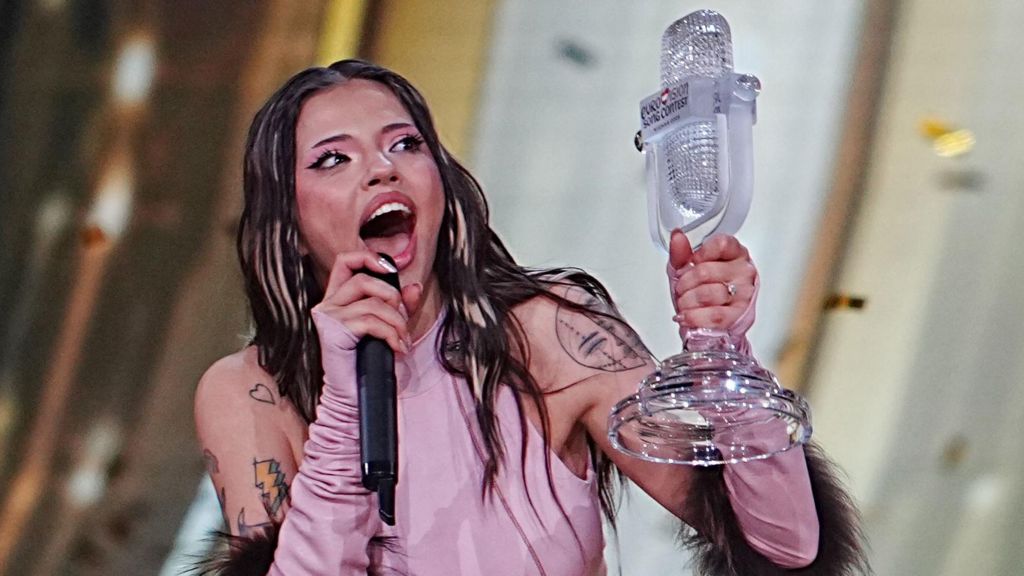
The 2026 Eurovision Song Contest in Vienna has made history, as Dara, the Bulgarian performer behind the viral hit *Bangaranga*, delivered a landslide victory that secured Bulgaria its first ever champion title in the iconic global contest. What makes the story of this landmark win even more compelling is that Dara nearly walked away from the competition twice before stepping onto the Vienna stage, opening up in a recent interview with BBC Newsbeat about how her struggle to protect her mental health nearly cost her the historic win.
Dara, an already established 27-year-old artist, first considered turning down the opportunity after she raised concerns over unsatisfactory terms in her initial contest contract. Even after resolving that issue, the anxiety of stepping into the Eurovision spotlight hit her immediately after she was officially announced as Bulgaria’s first contest entry since 2022. Recently diagnosed with ADHD, Dara said the pressure of the high-stakes competition left her physically overwhelmed: “I was shaking in my bed,” she recalled, adding that she spent three hours trying to calm her frayed nerves after the announcement. Fearing that the intense competition schedule would worsen her symptoms, she questioned whether she was worthy of the spot, and worried that pushing through would cause long-term damage to her mental wellbeing that she would never recover from.
Long known as one of the most high-pressure events in global entertainment, Eurovision pushes participating artists to their limits, requiring them to navigate a grueling packed rehearsal schedule, intense public scrutiny, and a global audience of hundreds of millions. Even former contestants have highlighted the mental toll of the experience: when 2024 United Kingdom representative Olly Alexander was asked what advice he would give to future competing artists by commentator Graham Norton, he simply replied, “Get yourself a really good therapist.”
Against this backdrop, Dara credits the professional mental health support she received after her ADHD diagnosis with giving her the tools to stay in the competition and ultimately thrive. Working closely with her therapist, she learned strategies to feel grounded in crowded, high-pressure environments, and developed a personal routine of breathing exercises, drawing, journaling, and meditation to keep herself centered amid the chaos. By the time she stepped onto the Vienna stage, that preparation had paid off: “I’ve never felt more calm on stage, more secure,” she said of her performance.
That poised, personality-filled performance was exactly what won over global voters. Going into the contest, Dara was ranked as a little-known outside favorite, but her quirky, polished performance of *Bangaranga* — which featured sharp, clever choreography and one of the most memorable hooks in recent contest history — earned her a record-breaking points margin, delivering one of the most decisive victories in Eurovision history. Even as votes from across the continent poured in, Dara said she remained centered: “I opened my heart and just kept repeating, ‘Thank you God for putting me on that stage and for these people around me.’”
Within days of her victory, Bulgarian national broadcaster BNT confirmed that Sofia, the country’s capital, will serve as the host city for the 2027 Eurovision Song Contest, a historic milestone for the small Eastern European nation. When Dara returned to Sofia, she was greeted by thousands of cheering fans who gathered to welcome their first Eurovision champion home. The singer will play a central role in planning and promoting next year’s host city celebrations.
Despite the global fame and historic achievement that now cement her place in Eurovision’s hall of fame, Dara says her definition of long-term success has nothing to do with career milestones. Looking ahead, the singer says her top priorities are far more personal: “I want to have kids some day,” she said. “I want to be healthy and that is much more important than being successful in my career. Being successful as a human being is pretty big on my list.”