As weeks of high-stakes negotiations to end the ongoing Middle East conflict and reopen the strategically critical Strait of Hormuz end in deadlock, Iran’s Supreme Leader Ayatollah Mojtaba Khamenei has declared that the United States and Israel have suffered a “decisive blow” at the hands of Tehran, marking a sharp rebuke to ongoing diplomatic overtures from Washington.
Khamenei’s public message, delivered via a prayer leader at the annual commemoration of the death of the Islamic Republic’s founder Ayatollah Ruhollah Khomeini, came just one day after the U.S. House of Representatives passed a historic resolution calling for an immediate end to American military involvement in the conflict. It was the first formal public statement from Khamenei since he was wounded in the February 28 opening U.S.-Israeli bombing campaign that killed his father and predecessor, Ali Khamenei. This year’s commemoration saw an empty chair bearing his predecessor’s portrait displayed at Khomeini’s mausoleum, a stark visual reminder of the upheaval the conflict has wrought on Iran’s leadership.
In his address, Khamenei argued that Iran’s adversaries, after their battlefield setbacks, are now enduring “a deeply meaningful and profound humiliation.” He further accused the U.S. and Israel of seeking to sow division, sowing “the seeds of doubt, despair, fear, mistrust and division” among the Iranian public, and called on domestic political factions to unify to neutralize what he framed as a “sinister plot” against the country.
The current standoff comes after weeks of on-again off-again talks marred by repeated threats of violence and intermittent clashes that have failed to produce any path toward a permanent ceasefire. While Tehran has laid out strict non-negotiable conditions for any deal, U.S. President Donald Trump has maintained a public posture of optimism, telling reporters this week that a final agreement “could happen… over the weekend.”
The conflict has put intense domestic political pressure on Trump ahead of looming U.S. midterm elections, with the war roiling global energy markets and proving deeply unpopular among American voters. The House resolution, which passed by a narrow 215-208 margin Wednesday, saw four Republican lawmakers join Democrats to support the order to withdraw U.S. troops from the conflict. Democrats framed the vote as an unambiguous mandate from the American public, writing on social platform X that “it’s time to end his deeply unpopular and illegal war of choice in Iran.” Despite the historic vote, the resolution remains largely symbolic: it would need Senate approval, and Trump has the power to veto any such measure if it reaches his desk.
At a recent congressional hearing, U.S. Secretary of State Marco Rubio confirmed that Iran’s stockpiles of highly enriched uranium remain the core sticking point in negotiations. Washington’s demands are clear: Tehran must surrender all of its near-weapons-grade enriched uranium, agree to permanent curbs on its nuclear program, and reopen the Strait of Hormuz, which handles roughly 20% of global oil flows and its closure has sent shockwaves through energy markets since the war began. Iran has repeatedly defended its right to peaceful nuclear enrichment, and has made ending Israel’s military campaign in Lebanon a non-negotiable precondition for any deal. On Wednesday, Iranian Foreign Minister Abbas Araghchi warned that any Israeli strike on the Lebanese capital Beirut would trigger an immediate “full-scale resumption” of the wider regional war.
The parallel conflict in Lebanon remains one of the most intractable parts of the broader crisis. On Wednesday, Israel and Lebanese negotiators announced a new ceasefire agreement after two days of direct talks in Washington. The deal requires Hezbollah to implement a complete cessation of hostilities, and establishes pilot border zones where the official Lebanese Armed Forces will take exclusive control, barring all non-state armed groups from the area. Follow-up negotiations are scheduled to begin the week of June 22, with the goal of reaching a comprehensive long-term agreement to end the conflict.
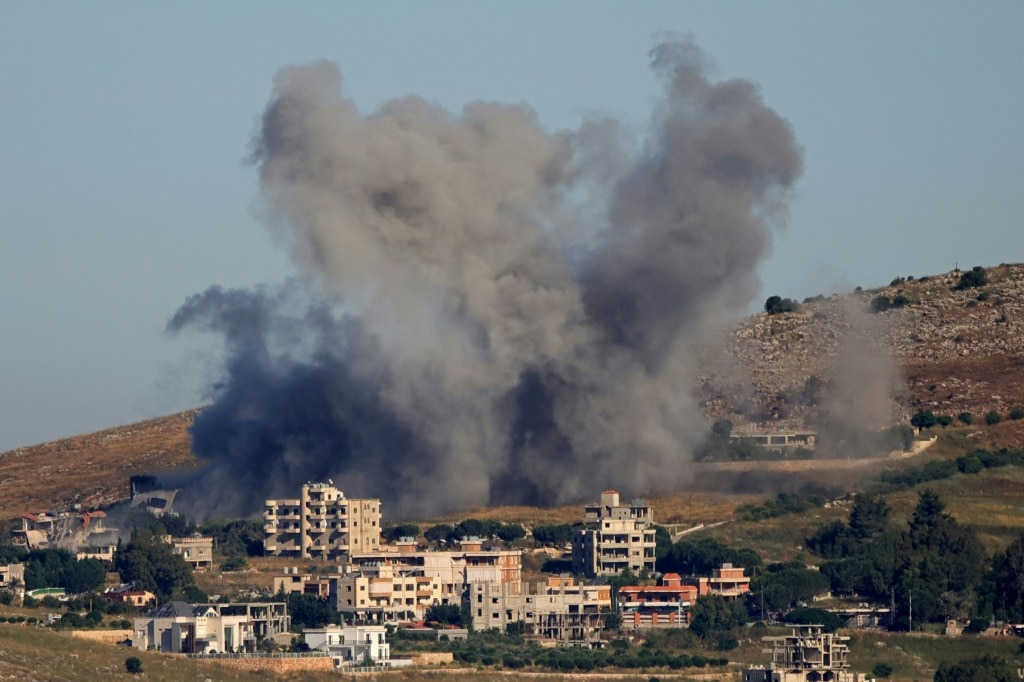
The new deal replaces a failed April 17 truce that was never fully implemented, with violence escalating steadily across the border in the weeks since. Even hours after the new ceasefire was announced, both sides reported fresh clashes: Israeli authorities triggered air raid sirens after reporting what they called a “hostile aircraft infiltration” in northern Israel, while Lebanese state media documented new Israeli drone strikes in southern Lebanon. Israeli Defense Minister Israel Katz framed the agreement as a win for Israel, saying it grants Israeli forces “freedom of action, with American backing, to strike in Beirut in response to fire on Israeli communities.” Israel is currently conducting its deepest ground offensive into Lebanese territory in 20 years, and Katz confirmed that Israeli troops will remain in their current positions while continuing to “dismantle terrorist infrastructure” linked to Hezbollah, which has long been backed by Iran. Just days before the new ceasefire announcement, an Israeli strike in southern Lebanon killed a man, his son, and his daughter, whose funeral was held Saturday in the Christian border village of Qlayaa, a stark reminder of the human cost of the ongoing violence.