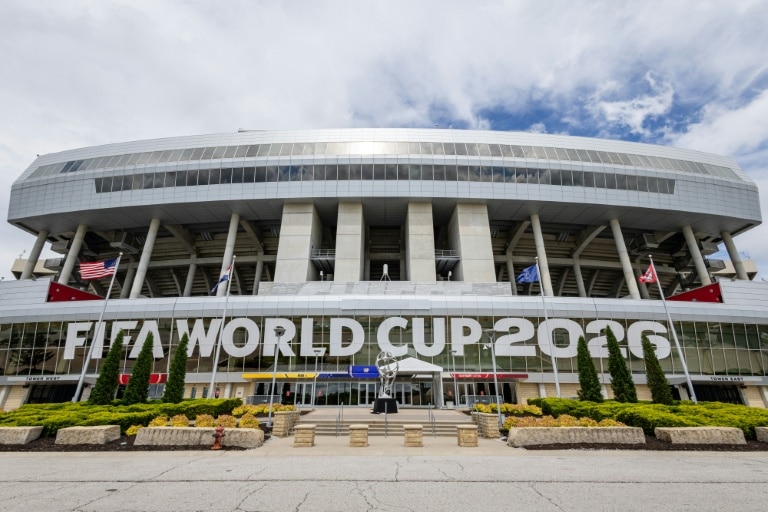
Just months ahead of the historic 2026 FIFA World Cup co-hosted by the United States, Canada, and Mexico, global soccer governing body FIFA has implemented a sudden, controversial policy shift that will bar spectators from bringing their own refillable water bottles into match venues, forcing attendees to purchase overpriced bottled water inside stadiums, sports outlet The Athletic first reported Wednesday.
The policy reversal marks a sharp departure from FIFA’s publicly released stadium guidelines as recently as one month ago, which explicitly permitted fans to carry empty, transparent reusable plastic water bottles of up to one liter into grounds. The updated code of conduct, however, has been amended to outright prohibit all reusable water containers, removing the prior allowance entirely.
In an official comment to Agence France-Presse, a FIFA spokesperson defended the last-minute rule change as a safety-focused adjustment, noting that multiple host stadiums already enforce similar bans on outside bottles for their own local events. “FIFA is committed to protecting the health and safety of all players, referees, fans, volunteers, and staff,” the organization’s statement read. “FIFA made the decision to prohibit bottles to prevent risk and injury to players and attendees. Outside bottles are already prohibited at several of these venues for safety considerations, and FIFA is applying this consideration across its tournament stadiums.”
FIFA also sought to address concerns over access to hydration, confirming that multiple cooling and hydration resources including misting stations, portable fans, dedicated hydration points, and cooling tents will be positioned across all stadium precincts. The organization added that the price of bottled water sold inside venues will match the pricing used for other major events held at the same stadiums, though it did not disclose specific price points.
The new rule has been introduced despite urgent warnings from climate and health experts that extreme heat at many open-air World Cup venues could pose significant public health risks for attendees. A recent analysis published by climate research group World Weather Attribution last month projected that 26 of the tournament’s 104 total matches will be played in conditions where the Wet Bulb Global Temperature (WBGT) — a composite metric measuring heat stress that accounts for air temperature, humidity, wind speed, and solar radiation — will exceed 26 degrees Celsius, a threshold linked to increased risk of heat-related illness.
This is not the first time FIFA has faced criticism over water bottle bans at major events held in North America. During the 2025 FIFA Club World Cup hosted in the U.S., attendees publicly complained about searing, dangerous heat inside venues after being barred from bringing their own water into the grounds, echoing the same concerns now being raised ahead of the 2026 World Cup.