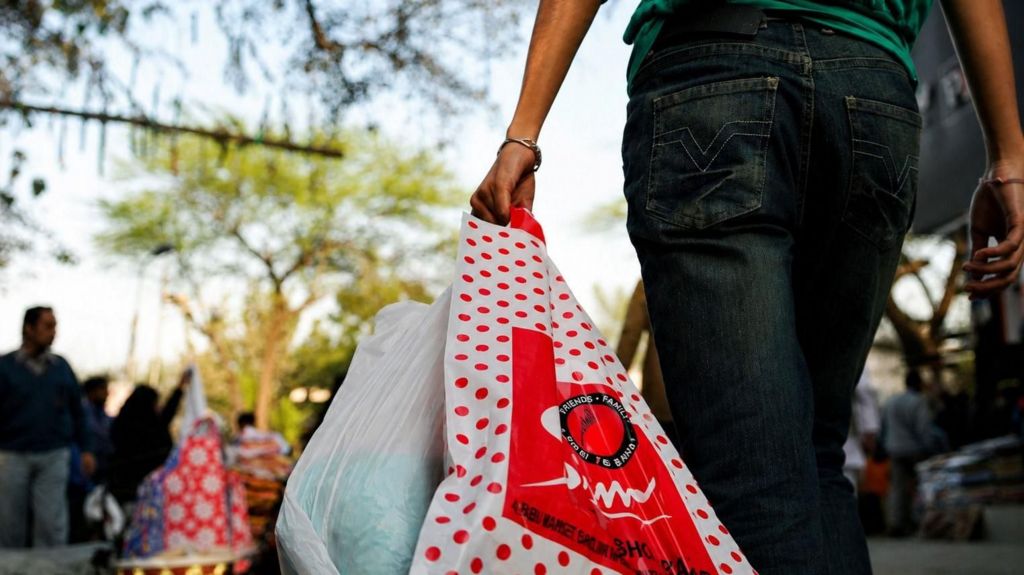
For millions of shoppers across India, navigating crowded, unplanned open-air street markets comes with a unique set of frustrations: juggling heavy shopping bags, maneuvering strollers over broken sidewalks, and balancing errands when extra hands are nowhere to be found. It was this exact frustration that led two mothers of young children to launch a one-of-a-kind service in one of New Delhi’s busiest shopping hubs, Lajpat Nagar Market — but the concept has quickly ignited a fierce national debate over class, labor, and entitlement in South Asia’s largest economy.
Launched in April 2026 by friends Ritu Kandari Srivastava and Kanishka Malhotra, CarryMen offers on-demand personal assistants to shoppers for short-duration shopping trips. Priced starting at 79 Indian rupees (roughly $0.83) for 30 minutes of assistance and 149 rupees for a full hour, the service provides trained helpers who can carry purchases, push strollers, navigate the market’s winding lanes, wait in lines, and even assist shoppers with mobility or health challenges. The idea grew out of a personal experience for the co-founders: during a joint shopping trip with their toddlers, they struggled to manage both their strollers and growing bags, then watched an elderly shopper struggle with her purchases with no one to help. Frustrated by their own inability to assist and the hassle of begging family members to accompany them on shopping trips, the pair began building the service within days.
Unlike modern air-conditioned shopping malls that have become common in major Indian cities, Lajpat Nagar and thousands of similar traditional markets across the country lack accessible infrastructure. Sidewalks are frequently uneven, broken, or completely blocked by street vendors, making navigation for older adults, pregnant people, parents with strollers, and people with disabilities incredibly difficult. After hashing out their idea with family members, Srivastava and Malhotra completed company registration, secured all required permits from municipal authorities and local police, built a small branded kiosk in the market, hired seven trained staff (five men initially, followed by two women) and opened for business after a month of intensive customer service training.
Within weeks, the service went viral across Indian social media, splitting public opinion sharply. Supporters have celebrated the startup as a clever solution to a widespread everyday problem that also creates stable formal employment in a country where urban unemployment has remained above 5% for years, with millions of working-age Indians unable to find steady work. But critics have pushed back hard, arguing the service is a symptom of excessive entitlement among India’s growing affluent middle class, which increasingly outsources all menial labor to low-wage workers. The backlash intensified after AI-generated images of wealthy, manicured clients went viral online, framing the service as a luxury for the ultra-rich unwilling to lift a finger during shopping trips.
Leading critics, including labor rights activist and sociologist Akriti Bhatia, have gone further, labeling CarryMen’s workers as just glorified “coolies” (a term for manual laborers with deep colonial and exploitative connotations) that reinforce unequal power dynamics in India’s unregulated gig economy, with some even comparing the model to modern slavery. But the startup’s founders have forcefully rejected all these claims.
“First of all, there’s no slavery. We are not forcing anyone to work for us. And all our workers are full-time salaried employees, they are not gig workers,” Srivastava explained in an interview, adding that the vast majority of early clients are not wealthy elites, but marginalized groups who need extra assistance: pregnant women, parents of young children, the elderly, and people with disabilities.
For Anand Kumar, one of the first CarryMen hired by the startup, the role has already been a positive change from his previous work. The 18-year-old previously held low-wage, informal roles as a shop helper and gig delivery worker, and says the pay at CarryMen is better, and he feels far more respected in his new role. He recalled one particularly meaningful interaction with a customer with artificial arms, who trusted him to handle his cash and pay for his shopping: “I was so touched by the trust he reposed in me,” Kumar said. Beyond carrying bags, workers are trained to memorize the market layout, assist with opening and locking strollers, carry emergency supplies including water, umbrellas, and portable chargers, wait in food lines for clients, and help shoppers find specific stores quickly.
After a slow first week with no bookings, interest has grown steadily. The startup now averages six bookings per day on weekdays, rising to eight to nine on busy weekends. During a recent visit to the kiosk on a hot, humid Delhi afternoon, a local couple — Jatinder and Anita Sabharwal — booked Kumar for an hour of assistance. Jatinder, who will turn 60 in a few months, was already struggling with a heavy shoulder bag, while Anita carried two additional bags and had developed a sudden migraine. Kumar led the pair directly to a nearby pharmacy, waited outside with their bags while they shopped, and handed Anita her water bottle to take her medication immediately after they exited.
“He’s helping us navigate too. We didn’t know where the pharmacy was. I think this is a very good service. With him around, we’re getting some help and can shop comfortably,” Jatinder said. His wife Anita added, “Now we can move freely, unencumbered by baggage.” The couple rejected the national debate around entitlement, saying the service fills a clear need for people who need extra support, and should be expanded to every market across the country.
Srivastava says the startup already has expansion plans: in July, it will launch a second location at Delhi’s iconic crowded Chandni Chowk market, with plans to gradually add more locations across the capital and eventually expand to other cities across India. But critics like Bhatia warn that the model’s future remains uncertain, particularly as the startup scales. Right now, CarryMen operates as a small operation with seven full-time, salaried staff, but expansion will require outside funding. Bhatia notes that many Indian gig and platform startups begin by offering good wages and benefits to early workers, but cut pay and increase workloads once they scale and face pressure to turn a profit. With an abundance of cheap labor and very low unionization among low-wage workers in India, companies often face little pushback when squeezing worker pay and conditions. “Which way would CarryMen go, we’ll have to see,” Bhatia said.