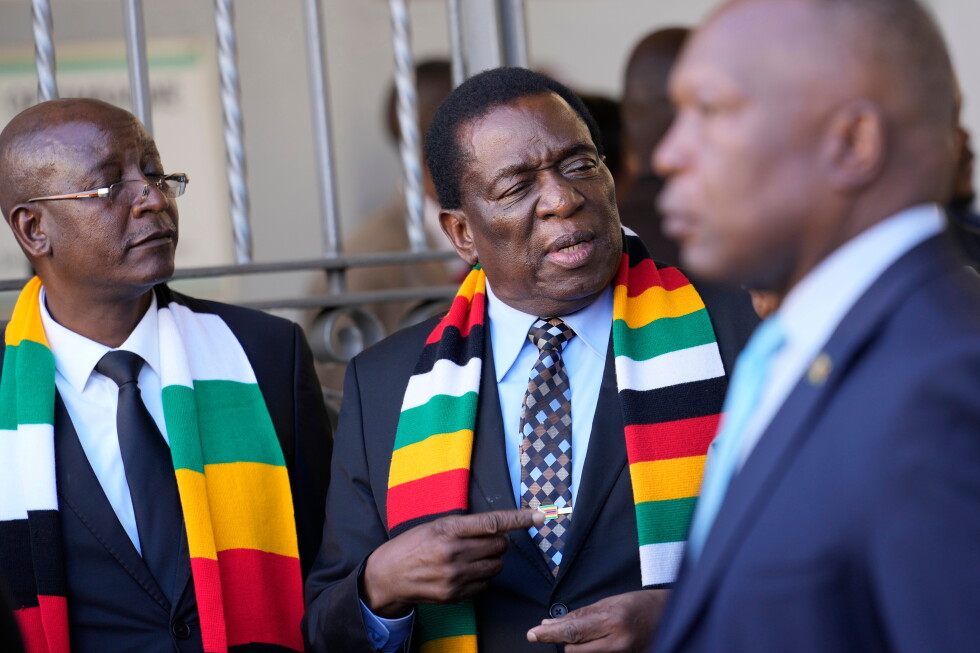
Zimbabwe’s legislative branch has become the center of a heated national debate this week after the country’s justice minister tabled a sweeping constitutional amendment bill that would reshape the nation’s electoral landscape and extend the sitting president’s time in office. The proposed changes, introduced Tuesday in Parliament, would adjust the timeline of upcoming national polls, lengthen all elected officials’ tenures, and fundamentally alter how the country chooses its head of state.
If enacted, the bill would push back the 2028 presidential election by two years, extending 83-year-old President Emmerson Mnangagwa’s current term until 2030. Beyond delaying the upcoming poll, the legislation would extend the five-year term limit for all elected positions — including president, members of Parliament, municipal councilors and mayors — to seven years. Most notably, the proposal would also move presidential selection away from the current system of direct popular vote to appointment by sitting members of the national legislature.
This executive overhaul has already sparked sharp backlash and escalated political friction across the southern African nation, where government critics have long faced routine detention and official harassment. Justice Minister Ziyambi Ziyambi confirmed last week that the ruling administration is pushing for an expedited legislative timeline, with a target to pass the measure through the majority-ruling Parliament by the end of June, before sending it to Mnangagwa to sign into law.
Mnangagwa first took office in 2017, when a military-assisted popular uprising removed his long-time mentor and former ruler Robert Mugabe, who led the country for decades before his 2019 death. The ruling ZANU-PF party controls an overwhelming majority in Parliament, and maintains aligned working relations with a faction of Zimbabwe’s fractured opposition movement, putting the bill on a clear path toward passage in the legislative branch.
Critics of the amendment argue that altering presidential tenure requires a public referendum to gain legitimate democratic support, asserting that such a fundamental change to the nation’s foundational law cannot be enacted by Parliament alone. Supporters of the proposal push back, noting that the constitutional cap of two total presidential terms would remain intact under the changes — only the length of each individual term would increase. Zimbabwe’s Constitutional Court has not yet issued a ruling on multiple pending legal challenges brought against the amendment, leaving the final legal fate of the proposal uncertain.