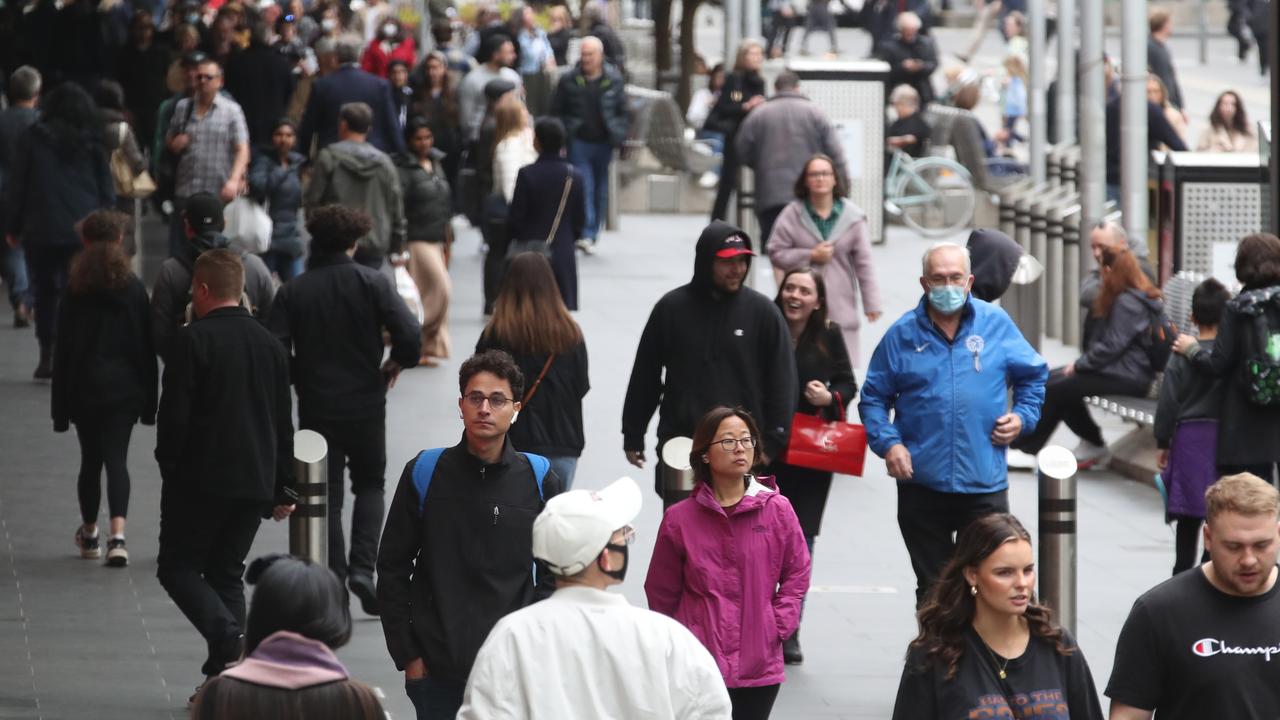
Australia has hit a landmark demographic milestone this week, with its total population officially crossing the 28 million threshold early Tuesday, according to real-time data from the Australian Bureau of Statistics (ABS).
The ABS’s population clock, which generates continuous live estimates by tracking births, deaths and net international migration, ticked past the 28 million mark in the early hours of Tuesday. Current demographic trends show the nation adds one new resident to its population every 75 seconds on average.
Digging into state-level growth data, Western Australia (WA) stands out as the primary engine of this national population expansion. ABS demography chief Phil Browning confirmed that WA recorded a 12-month growth rate of 2.2% between September 2024 and September 2025, outpacing every other state and territory across the country. At the opposite end of the spectrum, Tasmania recorded the nation’s slowest annual growth, with its population expanding by just 0.3% over the same period. These divergent state growth trends aligned exactly with forecasts published in last year’s annual population statement from Australia’s Centre for Population.
While the nation celebrates the 28 million milestone, official projections paint a slowing growth picture for the coming year. The Centre for Population’s latest outlook forecasts that national population growth will cool to 1.3% for the 2025-2026 period, driven by two key factors: a projected decline in net overseas migration and a continued drop in national birth rates that is set to hit a historic new low.
The report projects Australia’s national fertility rate will fall to a record low of 1.42 children per woman in 2025-2026 – far below the 2.1 children per woman rate required to sustain stable long-term natural population growth without migration. Net overseas migration, which surged to unprecedented highs in the post-pandemic 2022-2023 period, is also expected to continue normalizing to pre-pandemic levels, with the centre projecting net migration of 260,000 for 2025-2026. This pullback is largely attributed to a drop in temporary arrivals, particularly students and international visitors holding travel and study visas.