Starting July 1 this year, 2.8 million Australian workers — roughly one-fifth of the nation’s total workforce — will see their pay packets grow, following a landmark ruling from the Fair Work Commission announced on Tuesday. The independent industrial tribunal greenlit a 4.75% increase to the national minimum award wage, lifting hourly earnings from $24.95 to $26.44, and weekly minimum pay to $1004.90, up from $948. The adjustment applies to all workers whose pay is set by modern awards and are not covered by enterprise agreements, and it was designed to help low-income households keep pace with years of elevated cost-of-living increases.
The final wage decision landed between the two extreme proposals put forward ahead of the ruling: trade unions had pushed for a more aggressive 6% increase to offset persistent inflation, while industry business groups argued that a more modest 3.5% bump would be manageable for already strained employers. In welcoming the outcome, Australian Treasurer Jim Chalmers framed the adjustment as a balanced, sustainable real wage increase that aligned with the federal government’s formal submission to the Fair Work Commission, noting it was a raise millions of working Australians both needed and earned.
However, leading economic analysts have warned that the larger-than-expected pay hike could exacerbate the nation’s ongoing inflation challenges, paving the way for additional interest rate increases from the Reserve Bank of Australia (RBA) that will deepen financial pressure on mortgage holders across the country.
AMP senior economist My Bui explained that while the commission’s choice to avoid negative real wage growth for low-income workers is logically understandable, the sheer scale of the workforce impacted means the adjustment will likely add broader inflationary momentum to the economy. “Tuesday’s decision is only expected to add less than 0.6 percentage points to annual wages growth next year, but the real risk is that wage pressures spill over into other parts of the private sector,” Bui noted. She added that elevated wage growth will further entrench sticky services inflation, as businesses pass higher labour and input costs through to consumers, at a time when goods prices already remain elevated.
CreditorWatch chief economist Ivan Colhoun echoed this concern, pointing out that the pay rise will hit already struggling businesses with extra cost pressure, particularly in the four labour-intensive sectors that account for more than two-thirds of all award-reliant employment: retail, hospitality, healthcare and social assistance, and administrative and support services. “While the larger than expected minimum wage increase will be welcome for the lowest paid, many businesses and the RBA are unlikely to be as happy,” Colhoun said. “The rise will add to business costs at a time of already elevated inflation, higher interest rates and at least a temporary surge in fuel costs.” He added that the higher wage baseline will make it marginally harder for the RBA to pull inflation back to its target range of 2-3% annually.
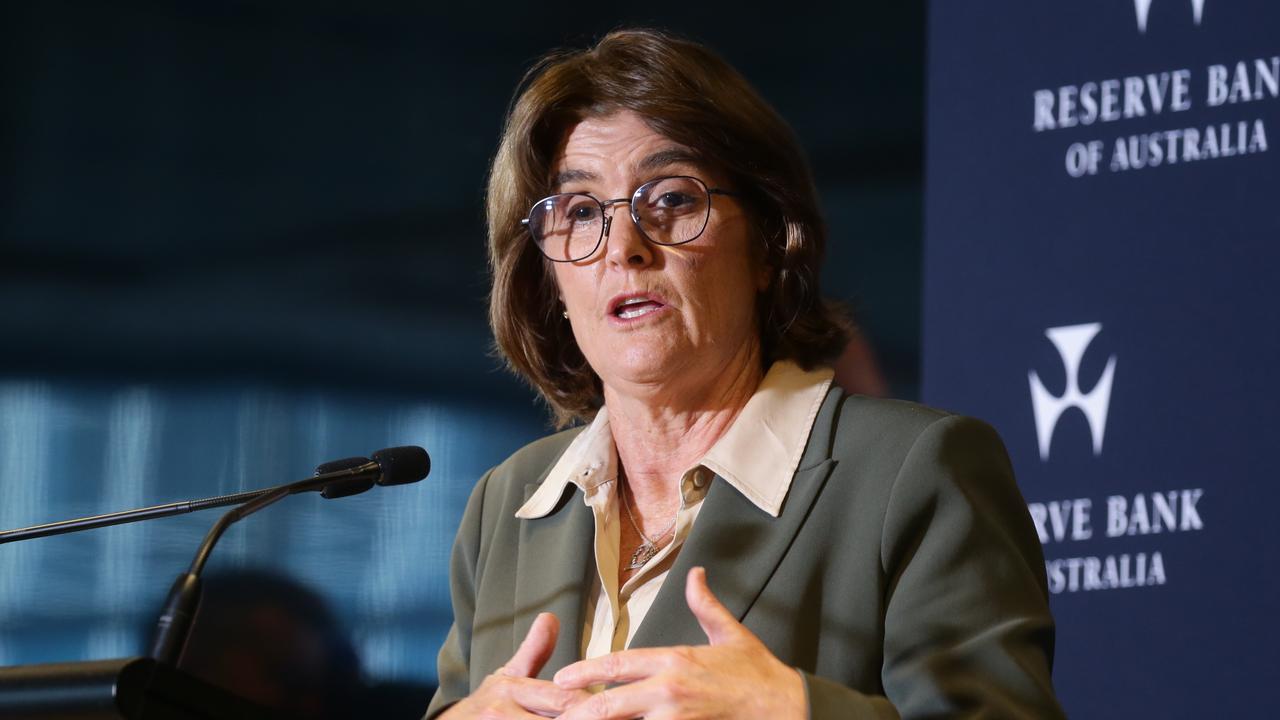
RBA governor Michele Bullock has already implemented three interest rate hikes this year in an aggressive effort to cool stubborn inflation. Prior to the Fair Work Commission’s announcement, AMP had forecast one final rate hike by August 2025. But in response to the wage ruling, the firm updated its outlook: AMP now expects the RBA will deliver another rate increase as early as November this year, pushing the peak cash rate for this cycle to 4.85%, with an outside risk that the hike could come even sooner than forecast.
Inflation projections have also shifted upward. AMP now forecasts that annual inflation will climb to 4.8% by the end of the June quarter, before easing only to 4.1% by the end of 2025 — still well above the RBA’s 2-3% target range. Recent official data has already signaled that underlying inflation pressures remain persistent in the Australian economy: while annual headline inflation edged down from 4.6% in March to 4.2% in April, that decline was driven largely by temporary federal government policies including a halving of the fuel excise and a GST rebate. The RBA’s preferred trimmed mean inflation measure, which strips out volatile price swings to show underlying trends, rose to 3.4% for the 12 months to April, confirming that core price pressures are still building.
For Australian mortgage holders, the outlook means a double whammy of financial strain: not only will higher wages fuel further inflation, but it will also force the RBA to keep tightening monetary policy, pushing monthly home loan repayments even higher just as many households are already struggling to keep up with cost-of-living increases.