In a sharp escalation of regional tensions, Iran has paused all indirect negotiations with the United States mediated by third parties, in direct response to Israel’s intensifying military strikes across Lebanon, Iran’s semi-official Tasnim News Agency announced Monday. The outlet, which maintains close ties to Iran’s Islamic Revolutionary Guard Corps (IRGC), outlined the reasoning behind the decision, noting that a stable ceasefire in Lebanon had been a core precondition for continued talks. With Israeli attacks breaking the truce on that front and across multiple regional theaters, all mediated dialogue and document exchanges have been suspended indefinitely.
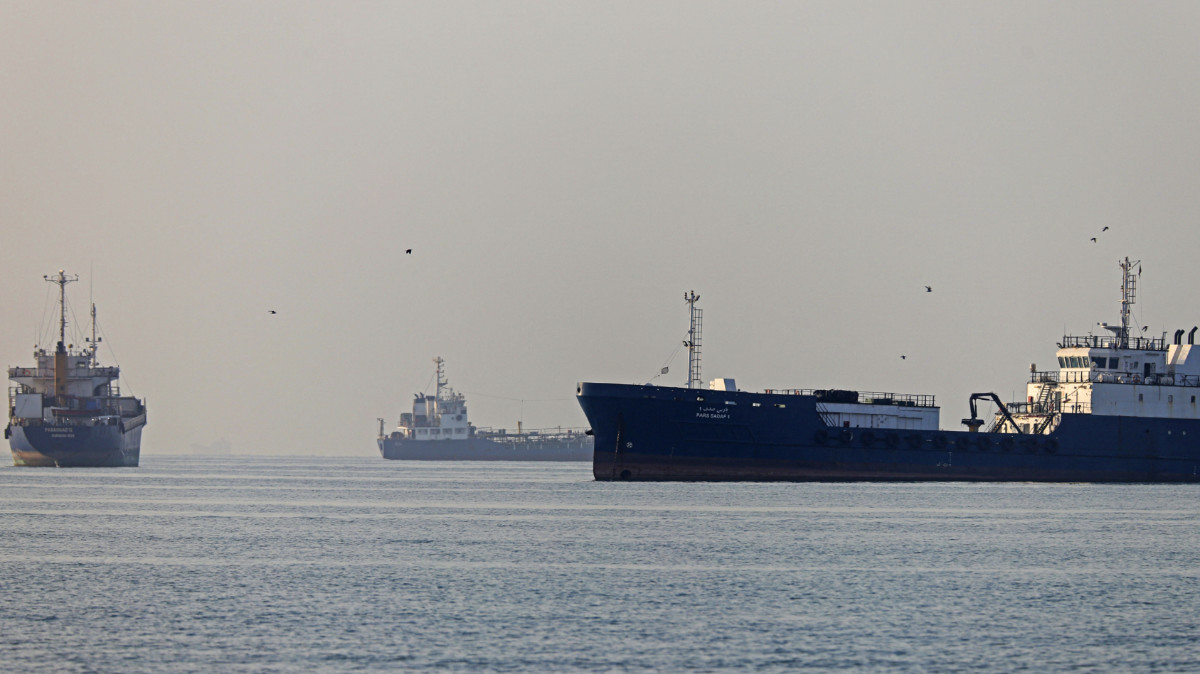
Tasnim emphasized that Iran’s non-negotiable demand remains an immediate, full halt to all Israeli military operations across both Gaza and Lebanon. The statement also carried a stark warning: should hostilities continue, Iran and its regional allied factions have finalized plans to fully close the Strait of Hormuz — through which roughly 20% of the world’s daily oil supplies pass — and activate pressure points along other critical global shipping lanes, most notably the Bab el-Mandeb Strait at the southern entrance to the Red Sea.
This threat to blockade the Bab el-Mandeb Strait marks a clear ratcheting up of Iran’s strategy to disrupt global economic activity, aiming to pressure Washington into making concessions on regional policy. The impact was felt immediately in global energy markets: oil prices, which had steadily fallen over the past month amid growing optimism that a diplomatic deal could be reached, surged sharply in trading on Monday. Brent Crude, the global benchmark for oil pricing, jumped 6.7% to settle at $97.28 per barrel by mid-trading.
Monday’s announcement follows a series of escalating confrontations over the weekend. U.S. Central Command confirmed it had launched new targeted strikes on Iranian assets, just after Kuwait reported that missile and drone attacks targeting U.S. personnel stationed on its territory had been carried out in retaliation for prior U.S. actions. The fragile April ceasefire between the U.S. and Iran has been teetering on collapse for weeks, following a series of breaches on both sides. Just on Friday, former U.S. President Donald Trump said he would lift a U.S. blockade of the Strait of Hormuz only if Iran surrendered its entire stockpile of enriched uranium and agreed to never impose shipping tolls in the waterway — terms Tehran immediately rejected.
Over recent weeks, Israel has steadily ramped up its ground and air operations in Lebanon, turning the small Mediterranean country into a central flashpoint in indirect U.S.-Iran negotiations. Diplomatic records from April, reported by Middle East Eye, show that Saudi Arabia had pushed the U.S. to prioritize a ceasefire in Lebanon as a foundation for sustaining talks with Iran, a move that ultimately led to the fragile April truce. Despite that truce being formalized, Israel has continued to carry out regular strikes on its northern neighbor and push ground forces deeper into Lebanese territory.
Israeli Prime Minister Benjamin Netanyahu has also publicly confirmed that Israeli forces will seize additional territory in the Gaza Strip, a direct violation of the October ceasefire brokered by the United States. Since the Hamas-led October 7, 2023 attacks on Israel and the subsequent Israeli military campaign in Gaza, Iran-aligned Houthi forces based in Yemen have launched attacks on commercial shipping transiting the Hormuz waterway, a move the group says is in solidarity with blockaded Palestinian civilians in Gaza. Notably, the Houthi’s Ansar Allah administration operates with a large degree of independence from Tehran, and has so far avoided formally entering the U.S.-Israeli conflict against Iran.
The Bab el-Mandeb Strait is a particularly critical strategic chokepoint: it is the primary shipping outlet for Saudi Arabia’s oil exports via the kingdom’s East-West Pipeline, which connects Gulf oil production fields directly to the Red Sea export terminal of Yanbu. Closure of this strait would not only disrupt global energy supplies but also raise shipping costs dramatically for global trade between Europe, Asia and the Middle East.