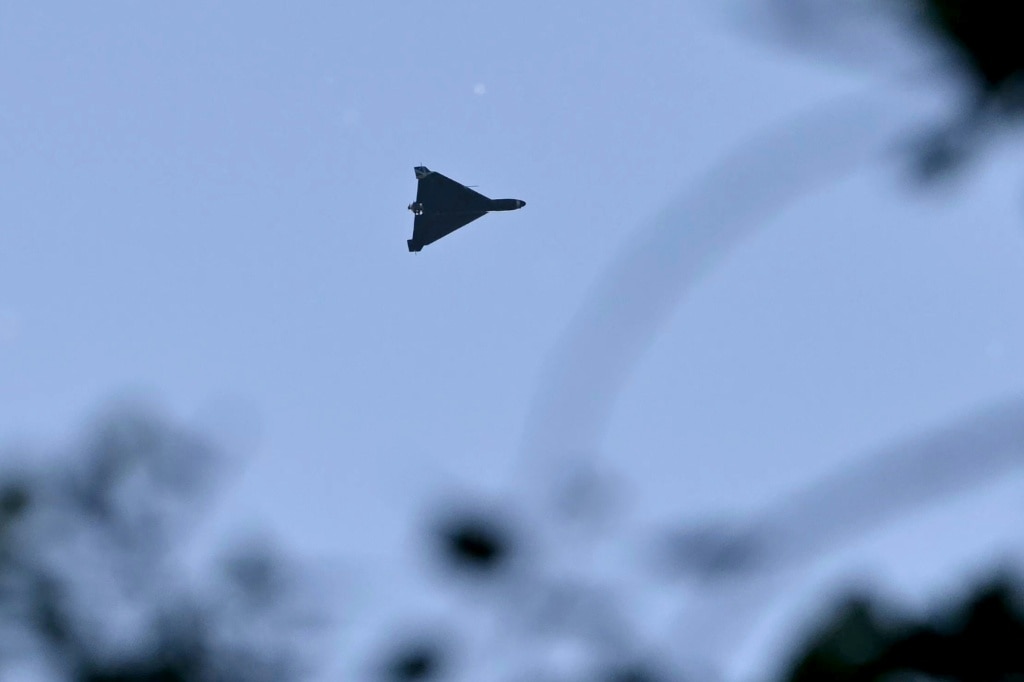
A new analysis conducted by Agence France-Presse (AFP) using official data from Ukraine’s Air Force has revealed that Russia unleashed a historic barrage of long-range drones on Ukrainian territory in May, hitting a new all-time high for monthly drone strikes amid ongoing escalation of the full-scale invasion.
Compiled from daily operational reports released by Ukraine’s military air branch, the data puts the total number of Russian long-range drones launched in May at 8,150. That marks a 24% increase compared to the total drone count recorded in April, confirming a sharp ramping up of Moscow’s long-range air campaign. In addition to the unprecedented drone volume, Russia also fired 211 missiles across Ukraine last month—one of the highest monthly missile totals registered since the start of the full-scale invasion.
The escalation of air attacks came shortly after a brief three-day humanitarian truce in April that had briefly raised global hopes for expanded diplomatic negotiations to end the conflict. Those hopes quickly faded, however, as both Kyiv and Moscow traded accusations of truce violations, before both sides resumed and intensified long-range strikes against each other’s territory.
One of the deadliest single attacks of the month targeted Ukraine’s capital Kyiv, when a Russian missile struck a residential apartment block, leaving the building partially destroyed and killing 24 people alongside multiple injuries. May also saw Moscow deploy its Oreshnik, a nuclear-capable ballistic missile, for only the third time since the full-scale invasion began in 2022.
Ukraine has built an extensive, multi-layered air defense network across its territory over the course of the war, and official data shows the system successfully intercepted roughly 91% of all incoming Russian drones and missiles launched in May. The high interception rate underscores Ukraine’s progress in developing countermeasures to defeat Russian long-range drone attacks, but military officials warn the country remains critically dependent on military support from Western allies to counter Russian missile strikes.
Ukrainian authorities have repeatedly sounded the alarm over dwindling stockpiles of ammunition for anti-missile systems, including the U.S.-supplied Patriot air defense systems that form a core part of Kyiv’s frontline air defense. Kyiv has made urgent appeals to Washington for additional ammunition supplies to replenish these shrinking stocks, with Ukrainian President Volodymyr Zelensky directly raising the issue with U.S. President Donald Trump during talks last month.
The shortfall in air defense ammunition has been worsened by parallel demands from the ongoing conflict in the Middle East, where U.S. allies have expended massive volumes of air defense munitions to protect strategic sites across the Persian Gulf. Diplomatic efforts to resolve the Ukraine conflict have stalled in recent months, as Moscow and Kyiv remain irreconcilable over Russia’s demands to annex large swathes of Ukrainian territory. Trump, who reclaimed the White House in 2024 on a campaign promise to end the Ukraine war quickly, has seen his peace efforts stall amid continued disagreement between the two warring sides. More recently, diplomatic progress has been further derailed as Washington shifted its full foreign policy attention to the U.S.-Israeli military campaign against Iran that began on February 28.