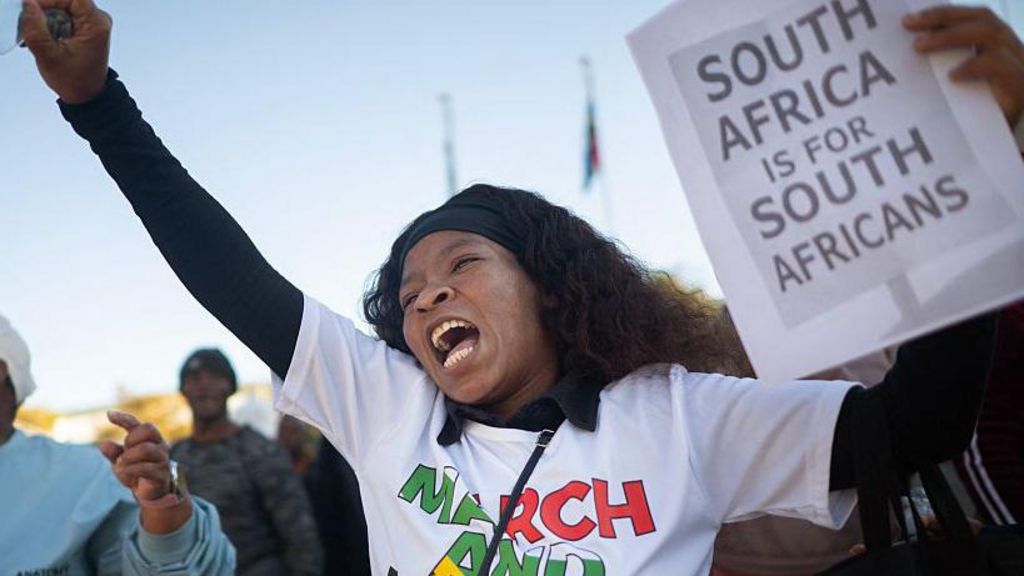
Tensions are escalating across West and Southern Africa in recent weeks, after widespread public demonstrations in South Africa demanding harsh new restrictions on undocumented migrants have sparked cross-border security concerns. A South African activist group called March and March organized the protests, which have pushed the issue of immigration to the top of the regional diplomatic agenda. The group has set a 30 June deadline for all undocumented migrants to voluntarily leave South Africa, framing its campaign as a push for systemic immigration reform that eases strain on overburdened domestic public services. Protesters have also argued that unvetted migration has fueled higher crime rates, claims that South African authorities have not independently verified.
While South African police have not confirmed any targeted violent attacks on foreign nationals, the national government has publicly condemned any criminal acts directed at people from other countries. The growing unrest has already prompted other African nations to take precautionary measures: Ghana recently organized the evacuation of hundreds of its citizens from South Africa, and multiple governments have issued advisory warnings urging their nationals residing in the country to maintain heightened vigilance for personal safety.
In response to widespread public anger in Nigeria over unsubstantiated reports of attacks on Nigerian citizens in South Africa, Nigerian law enforcement has issued an urgent official warning against retaliatory action targeting South African people or commercial assets operating within Nigeria’s borders. The statement came after a high-level meeting between senior national security and intelligence leaders, convened to assess the cross-border fallout from the South African protests.
Aliyu Giwa, a senior spokesperson for the Nigerian Police Force, outlined the force’s position in an official post shared to the social platform X. “We recognise the pain and anger caused by recent attacks on Nigerians abroad,” Giwa wrote. “As an institution dedicated to protecting Nigerian lives, we understand these concerns deeply. However, this is a time for calm and restraint. Violence would not protect Nigerians abroad and would only create additional crises.”
Giwa confirmed that the Nigerian government is already engaging with South African officials at the highest diplomatic levels to address security concerns for Nigerian citizens. To prevent outbreaks of retaliatory violence, Nigerian police have deployed enhanced security patrols and protective measures around foreign diplomatic missions, critical national infrastructure, and other sites deemed sensitive to national and international security.
The police force emphasized that any deliberate action targeting South African nationals, diplomatic properties, legitimate businesses, or other legal assets operating in Nigeria will be prosecuted as a criminal offense under Nigerian law. The region has existing precedent for escalating tensions over anti-migrant violence: past outbreaks of xenophobic attacks in South Africa triggered severe diplomatic rifts and retaliatory violence in Nigeria, where dozens of South African-owned commercial properties were vandalized and looted in waves of unrest.