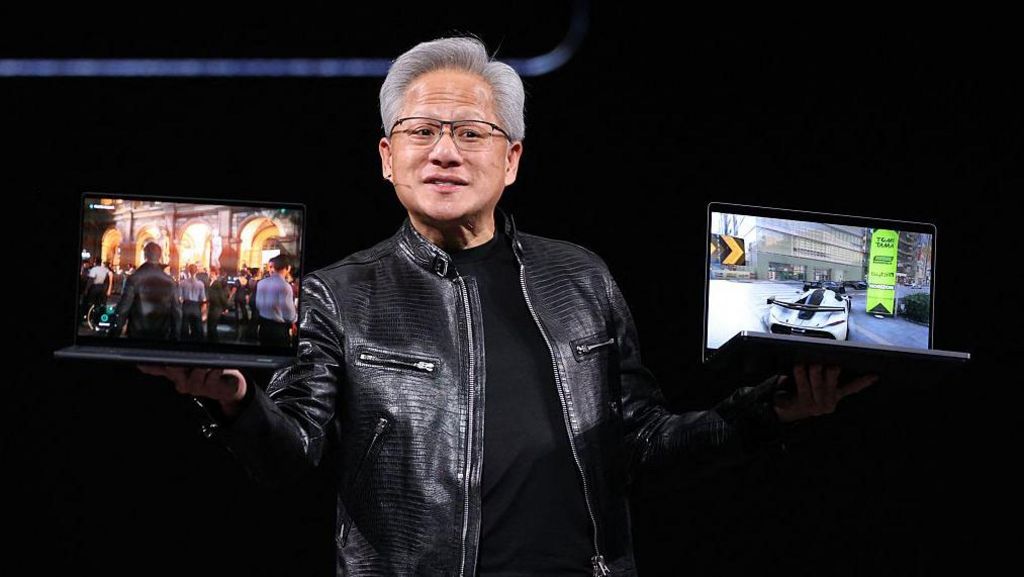
Leading global graphics processing unit designer Nvidia has launched a groundbreaking new artificial intelligence-focused processor for consumer personal computers, marking the firm’s latest aggressive push into the fast-growing integrated AI device market. The product announcement, dubbed the RTX Spark chip, was made by Nvidia Chief Executive Jensen Huang during a headline keynote address on Monday, kicking off this year’s Computex technology trade show hosted in Taipei, Taiwan.
In his opening remarks, Huang framed the launch as a paradigm shift for the global computing industry, comparing the transformation to the revolution that turned basic mobile phones into modern, multifunctional smartphones. “This reinvention of the computer is as big of a deal as the reinvention of the phone into what we now know as the smartphone,” Huang told the audience of tech industry insiders and attendees.
On its official website, Nvidia positions the RTX Spark as a “new superchip” purpose-built for the emerging era of personal AI agents, designed to redefine what consumer computers can do by shifting their role from a basic productivity tool to an intuitive collaborative teammate. The new chip will be integrated into an upcoming line of Windows-powered PCs manufactured by some of the biggest names in the global PC industry, including Asus, Dell, HP, Lenovo, Microsoft Surface, and MSI. These initial systems are scheduled to hit retail markets in autumn this year, with additional models from Acer and Gigabyte set to launch shortly after the first wave.
The entry of Nvidia’s customized AI consumer chip into the mainstream PC market sets up a direct competitive challenge to established industry giants including Apple and Intel, which have long dominated key segments of the global personal computing market. The broader global AI boom has already catapulted Nvidia to extraordinary corporate milestones: the firm is now the most valuable publicly traded company in the world, boasting a total stock market valuation that exceeds $5 trillion (£3.7 trillion).
The RTX Spark launch came just one day after the U.S. government implemented new restrictions on Nvidia chip exports to Chinese entities. On Sunday, the U.S. Department of Commerce announced updates to its existing export control rules aimed at closing a long-flagged loophole that had previously allowed Chinese firms to access advanced AI chips through overseas-based subsidiaries. Under the new rules, exports of Nvidia’s top-tier Blackwell processors, among other cutting-edge AI chips, to these offshore Chinese company affiliates will now be restricted. Washington has pursued this series of escalating restrictions for years, with the stated goal of blocking Chinese technological groups from acquiring the high-performance chips required to advance cutting-edge domestic AI development.