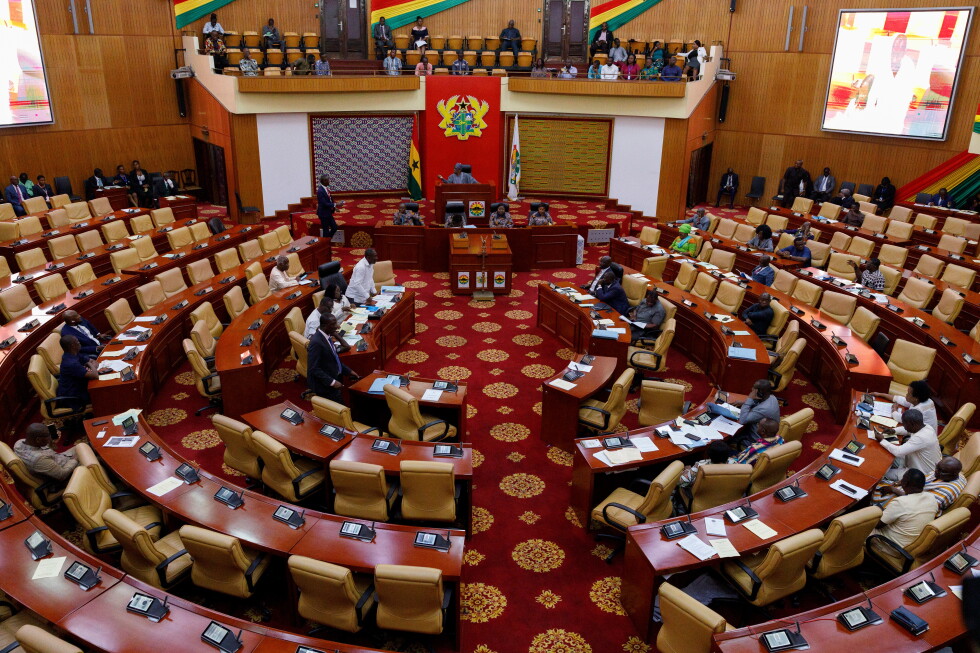
ACCRA, Ghana – In a landmark legislative vote that has reignited global debate over LGBTQ rights in West Africa, Ghana’s parliament passed a harsh new anti-LGBTQ bill Friday that introduces steep prison sentences for a range of activities connected to same-sex relations, from public advocacy to personal engagement.
The legislation, which incoming President John Dramani Mahama has already signaled he will sign into law, marks a major expansion of existing restrictions on LGBTQ people in the country. Under the bill’s terms, anyone found guilty of promoting or advocating for LGBTQ rights can face up to 10 years behind bars, while people who engage in same-sex sexual activity face three-year prison sentences. Operating a space for same-sex intimacy carries a five-year prison term, and the bill also formally bans all funding for LGBTQ organizations and related activities.
This outcome is the culmination of years of pressure from conservative religious groups that have long pushed for stricter anti-LGBTQ policies in Ghana. An earlier version of the bill cleared parliament in 2024, but then-president Nana Akufo-Addo refused to sign it into law, leaving the legislation in limbo. Undeterred, religious leaders and bill supporters kept up their advocacy through the 2024 election cycle, and Mahama ran on a platform aligned with conservative cultural values, giving the bill new life after his election.
Ghana is now part of a growing wave of African nations moving to entrench broader anti-LGBTQ laws into their national legal frameworks. Across the continent, 31 of 54 countries already criminalize same-sex sexual relations, many of which carry penalties including life sentences and even the death penalty in nations such as Somalia, Uganda, and Mauritania. The push for stricter laws has broad popular support in many socially conservative African countries, even as it draws fierce condemnation from the international human rights community.
Supporters of the new Ghanaian bill frame it as a necessary defense of indigenous cultural values and traditional family structures, arguing that LGBTQ rights run counter to widely held Ghanaian social norms. But critics warn that the law undermines fundamental constitutional protections for all Ghanaians and will open the door to systemic discrimination, harassment, and violence against sexual minority groups.
Human Rights Watch has issued a strong condemnation of the legislation, calling on Ghana’s government to uphold international human rights standards that guarantee equal treatment, freedom from discrimination, freedom of expression, and the right to privacy for all citizens, regardless of sexual orientation or gender identity.
Same-sex relations were already criminalized in Ghana under a colonial-era law that bans so-called “unnatural carnal knowledge,” but the new bill vastly expands that criminalization to include not just private same-sex activity, but also public advocacy, community organizing, and financial support for LGBTQ communities. This expansion carries tangible economic risks as well: when the earlier version of the bill was under consideration, Ghana’s Finance Ministry warned that enacting the legislation could put billions of dollars in international development financing and partner support at risk, a warning that remains unaddressed in the latest version of the bill.