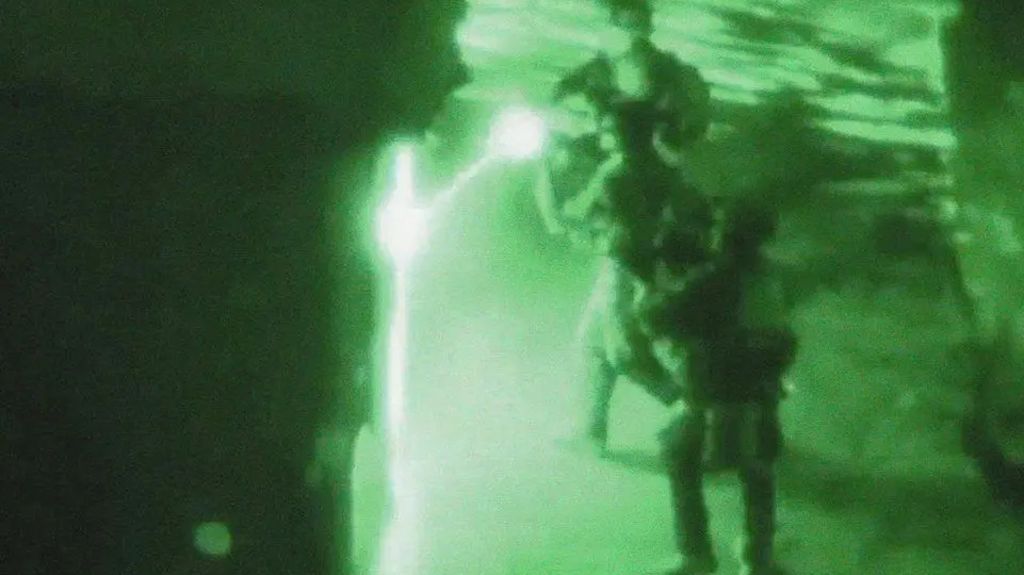
Fresh explosive testimony released from the ongoing Independent Inquiry into UK actions in Afghanistan has laid bare how senior British special forces leadership deliberately suppressed serious war crime allegations against the SAS between 2010 and 2013, choosing an internal whitewash over a mandatory military police investigation to protect operational momentum and force morale.
A retired former chief of staff of UK Special Forces (UKSF), identified only by the inquiry cipher N2252, told the closed-door investigation that top commanders made the fateful 2011 decision not to refer allegations of extrajudicial killings, falsified operational reports and the deaths of unarmed civilians and children to the Royal Military Police for two core reasons. First, leadership feared a full formal investigation would pull SAS operators off the high-tempo counter-Taliban campaign targeting insurgents and IED bomb-makers, disrupting ongoing operations by forcing units to focus on probes rather than planning new missions. Second, N2252 confirmed a major unspoken factor was that much of the initial evidence implicating the SAS had come from a rival UK special forces regiment, creating institutional distrust that swayed the decision to ignore red flags.
This intentional choice meant that military investigators remained unaware of widespread concerns about SAS conduct for years, even as multiple senior officers at UKSF headquarters raised alarms about troubling patterns on the ground. Those red flags included multiple accounts of detained, handcuffed suspects being shot dead during raids, a persistent mismatch between the number of people killed in operations and the number of weapons recovered from kill sites – a common indicator of unlawful extrajudicial killing – and formal complaints. A high-profile international conflict monitoring organization submitted complaints about unlawful killings, and even Afghan partner special forces refused multiple times to deploy alongside the SAS over outrage at the alleged murder of civilians.
Instead of meeting their legal obligation to report suspected war crimes to military police – a requirement binding all British military commanding officers – UKSF’s then-director ordered a rapid internal review led by an officer closely affiliated with the SAS unit under scrutiny. The inquiry has confirmed the review was completed in just seven days, signed off by the unit’s own commanding officer, and concluded no evidence of criminal wrongdoing existed.
N2252 told the inquiry that the leadership also believed that external police scrutiny would erode trust between command and frontline SAS troops, arguing that questioning operators’ official accounts would send a demoralizing message that headquarters did not believe their on-the-ground judgments. The testimony, first heard in closed session in 2024, was only released in declassified summary form by the inquiry this Friday, marking the latest in a series of damning disclosures about UK special forces conduct during the Afghanistan deployment, which began in 2009.
Not all witness testimony has aligned on what senior leaders knew. Another senior UKSF headquarters officer, identified as N1788, told the inquiry he only was aware of tactical errors and never received formal complaints or rumors of extrajudicial killings, evidence tampering or falsified records. However, inquiry lawyers directly contradicted that account, noting it clashes with prior testimony from N1788’s superior officer, who confirmed the two discussed the risk of extrajudicial killings and planted weapons, as well as testimony from an Afghanistan-based senior officer who recalled N1788 asking in a phone call whether the “m-word” – murder – was relevant to the allegations.
A third witness, a UKSF officer deployed on the ground in Afghanistan codenamed N889, acknowledged that he may have been overly trusting of SAS operational reporting in real time. “I totally accept, you know, all these years later looking back that perhaps one should have taken a slight harder view,” he told the inquiry. “I maybe naively read this stuff, believed it and carried on.”
The Independent Inquiry into Afghanistan is continuing its work examining the full scope of allegations against the SAS, with additional disclosures expected as more closed testimony is declassified in the coming months. The BBC has issued a public call for additional whistleblowers with information about the case to come forward through secure, encrypted channels including Signal and the BBC’s Tor-based SecureDrop platform to protect the anonymity of sources.