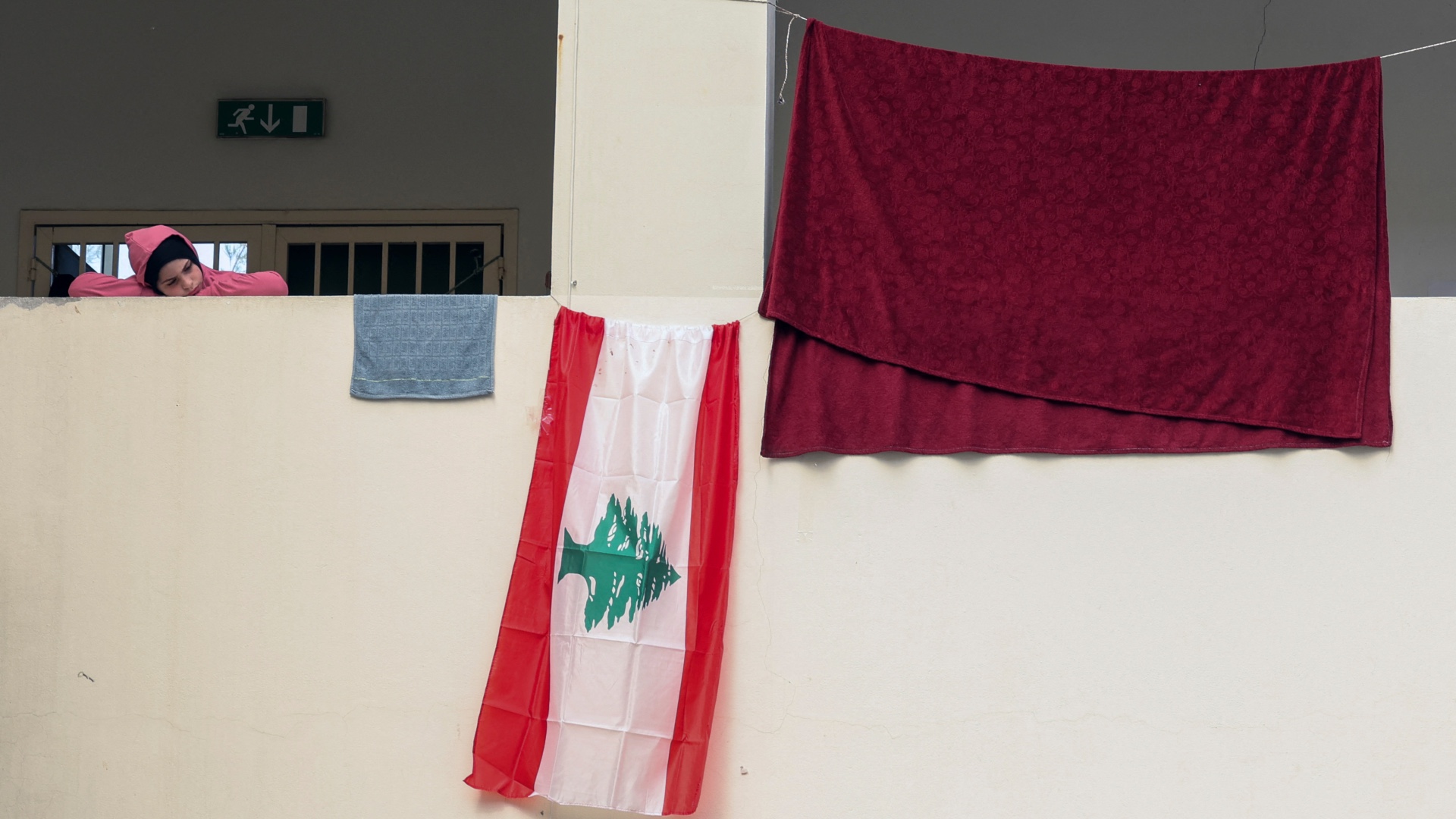
In a surprise development this week, the second Trump administration has confirmed it will extend Temporary Protected Status (TPS) for an estimated 11,000 Lebanese citizens currently residing and working legally in the United States. The six-month extension will push the expiration of their protected status to November 27, 2026, marking the first such voluntary extension of the program since President Donald Trump returned to the Oval Office in January 2025.
The official notice of the extension was submitted to the U.S. Federal Register on Wednesday and is set for formal publication this Friday. Contrary to many assumptions about the Trump administration’s broader aggressive rollback of TPS programs across multiple nations, the extension for Lebanese nationals is not a deliberate policy shift, but an automatic procedural renewal. According to the filing, Department of Homeland Security Secretary Markwayne Mullin lacked sufficient time to complete a full formal review of Lebanon’s TPS designation and issue a final determination 60 days ahead of the program’s original expiration date, triggering the automatic six-month extension under existing regulations.
First established to allow foreign nationals to remain and obtain work authorization in the U.S. when their home countries face unsafe conditions such as armed conflict, natural disaster, or humanitarian catastrophe that make return impossible, TPS grants temporary extensions of up to 18 months at a time with no statutory cap on total extensions. Lebanon was first added to the TPS program by the outgoing Biden administration in October 2024, amid a sharp escalation of Israeli military operations in the country that began after a Hezbollah attack on Israel in October 2023, launched in solidarity with the group’s ally Hamas in Gaza.
As of this week, the ongoing Israeli campaign has killed more than 3,000 Lebanese people, injured close to 10,000, and this week saw a major expansion of ground operations into southern Lebanon beyond previously declared buffer zones, with more than 135 strikes on alleged Hezbollah targets in a single 24-hour period, including strikes in the capital Beirut that killed at least 14 people, among them children. This escalating violence comes as top U.S.-brokered military security talks between Lebanese and Israeli officials are set to open in Washington on Friday, the first high-level direct talks between the two sides in more than 30 years, following an initial meeting between their ambassadors hosted by Secretary of State Marco Rubio last month. Notably, a permanent ceasefire was not on the agenda for the initial talks, and Hezbollah, the core Lebanese faction involved in the conflict, has no representation at the negotiating table, leaving Lebanese negotiators with limited authority to reach substantive agreements.
The TPS extension applies only to Lebanese nationals (and stateless individuals who last resided in Lebanon) who have continuously lived in the U.S. since October 16, 2024, and will remain in effect from May 28, 2026 through November 27, 2026.
This extension marks a departure from the Trump administration’s broader agenda of dismantling existing TPS programs across the globe. Since taking office in January, the administration has moved aggressively to terminate TPS designations for multiple nations including Haiti, Somalia, and Venezuela, though many of these termination attempts have been temporarily blocked by federal court orders. Last month, advocacy groups and affected TPS holders filed a federal lawsuit challenging the administration’s termination of TPS for Somali nationals, arguing that the country still faces a decades-long humanitarian crisis marked by ongoing armed conflict, arbitrary detention, extrajudicial killing, torture, and widespread severe human rights violations that make return unsafe for Somali nationals. Somalia has held continuous TPS designation since 1991, with every successive administration from 2002 to 2024 reaffirming that ongoing instability meets the criteria for protected status. Former Homeland Security Secretary Kristi Noem defended the administration’s move to end Somalia’s TPS earlier this year, claiming that “temporary means temporary” and that conditions in Somalia have improved enough that it no longer meets the legal standard for the program, which the administration argues was never intended to serve as a pathway to permanent residency.