In a sharp reversal of earlier doomsday predictions, the most high-profile leaders of the global artificial intelligence industry are walking back their dire claims that the technology would trigger widespread mass job elimination. The shift in rhetoric comes as the sector faces rising public backlash over fears of workplace disruption, particularly in the United States where polling shows growing public unease about AI-driven change.
Two of the biggest names in AI – Nvidia Chief Executive Jensen Huang and OpenAI CEO Sam Altman – have both publicly acknowledged that earlier catastrophic warnings were overstated, and in some cases, intentionally misleading. Both executives have previously stoked widespread public anxiety about AI’s potential to upend the global workforce.
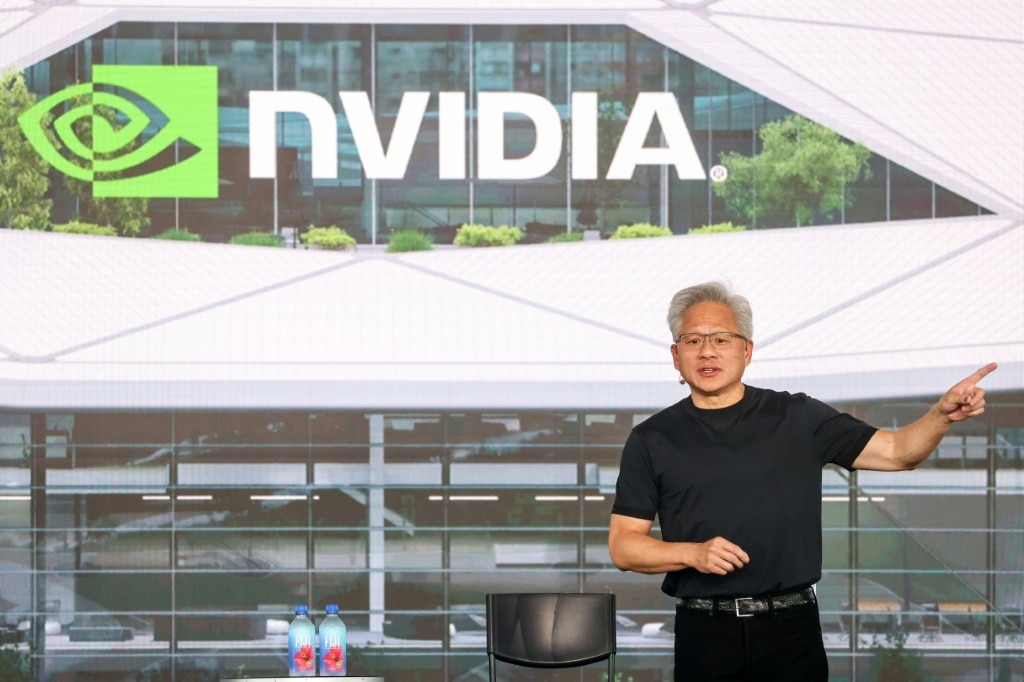
Speaking with Channel News Asia on Monday, Huang directly criticized fellow tech chief executives who have publicly pinned recent corporate layoffs on AI adoption. “The narrative that connects AI to job loss, for many of the CEOs that are doing it — it is just too lazy,” Huang said. He pushed back on the timeline that links AI to recent layoffs, noting “AI has just arrived. How is it possible they’re already losing jobs?”
Huang has long maintained that AI will create as many roles as it eliminates, and argued that recent waves of corporate downsizing have no connection to AI integration. “How is it possible that AI became productive and useful only six months ago, and they were somehow laying people off two years ago because of AI? It doesn’t make any sense,” he said. “It was just a way for them to sound smart, and I really hate that. I think we’re scaring people and that’s irresponsible.”
Recent high-profile corporate announcements have stoked public fears, however. Last week, British multinational bank Standard Chartered revealed plans to cut thousands of roles by 2030, framing the restructuring as a direct result of AI replacing workers across a range of administrative positions. Last month, Snapchat parent company Snap cut 1,000 jobs, justifying the layoffs by noting AI is boosting operational efficiency as the company works toward consistent profitability.
For his part, Altman issued a public mea culpa for his own earlier overblown predictions during an appearance at the Commonwealth Bank of Australia’s Accelerate AI Conference in Sydney this week. Speaking Tuesday, he confirmed that rapid AI advancement would not bring about the “jobs apocalypse that some of the companies in our space advocate or talk about” – a category that includes his own past commentary.
“I thought there would have been more impact on entry-level white-collar jobs being eliminated by now than has actually happened,” Altman told the conference, according to reporting from *The Australian*. “I think I understand more about why that wasn’t done — obviously gratefully — but that is an area where my intuitions were just off.”
Anthropic CEO Dario Amodei, another longstanding AI doomer who has faced criticism from industry peers for his catastrophic predictions, has also softened his tone in recent comments. Amodei now argues that even if 90 percent of global jobs are eventually automated, the remaining 10 percent of roles held by human workers would see massive productivity gains that offset losses. Huang publicly disagreed with nearly all of Amodei’s past claims just one year ago.
The rhetorical shift from top AI leaders comes at a key moment for the industry: both OpenAI and Anthropic are reportedly preparing for high-profile initial public offerings (IPOs), which will require widespread support from global investors to succeed. Earlier doom-laden statements have already become a liability for the sector, as polling shows significant public discontent over the projected workplace disruption that industry and political leaders have repeatedly warned about.
Mainstream economic institutions back up the new, more measured claims from AI leaders. The European Central Bank, the most recent major economic body to weigh in, confirmed earlier this year that AI has only had a minimal impact on overall employment levels to date.