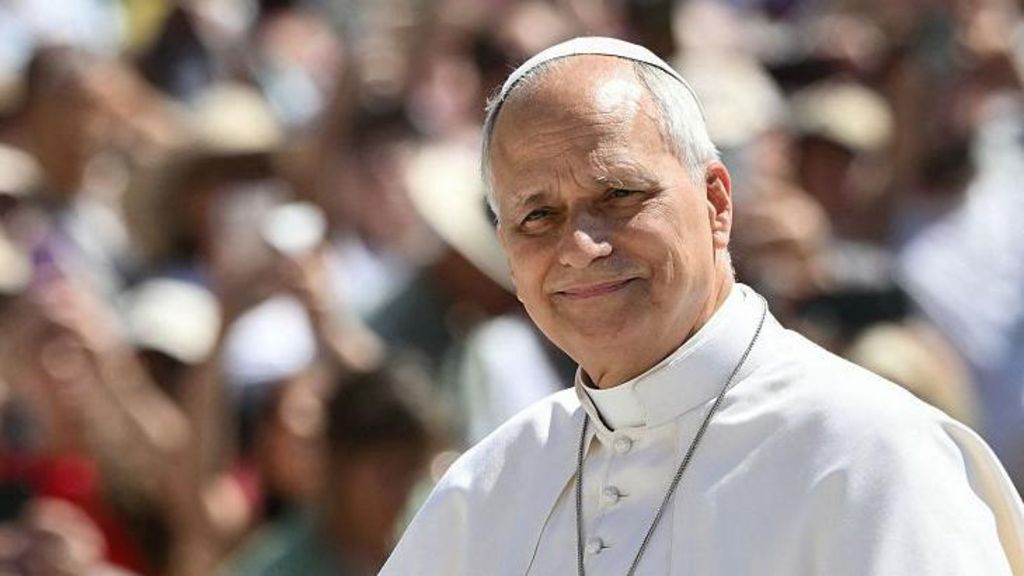
In a landmark address that intersects global reckoning with historical injustice and modern ethical discourse, Pope Leo XIV has issued the Catholic Church’s clearest ever apology for its centuries-long complicity in the transatlantic slave trade, labeling the Church’s role a “deep, open wound in Christian memory”.
The historic apology was included in *Magnifica Humanitas* (“Magnificent Humanity”), the Pope’s first encyclical — a formal teaching document addressed to global Catholic bishops that also carries wide-ranging messages for the international community — released on Monday. In addition to confronting the Church’s historical sins, the encyclical also explores pressing contemporary ethical risks tied to artificial intelligence development.
In the text, the Pope offered a unreserved plea for pardon on behalf of the entire Catholic Church, writing that “it is impossible not to feel deep sorrow when contemplating the immense suffering and humiliation endured by so many” stolen from their African homelands. He openly acknowledged that for generations, Church leaders bowed to the demands of colonial rulers, creating formal regulations that legitimized systems of racialized subjugation, including the enslavement of non-Christian communities. He further confirmed that medieval ecclesiastical institutions themselves owned enslaved people, a long-unacknowledged chapter of Church history.
Ghana, the West African nation that was a central trafficking hub during the 16th to 19th century transatlantic slave trade, has welcomed the apology as an extraordinary act of moral courage. Historical records estimate that between 12 and 15 million enslaved Africans were forcibly shipped across the Atlantic to the Americas during this era, with roughly 2 million dying in brutal conditions on the crossing. Many of these captives were held in stone forts along Ghana’s coast, structures that still stand today as haunting memorials to the atrocity.
For decades, Ghana has led global calls for formal apologies and reparations from Western powers and institutions for their roles in the slave trade and colonial exploitation. In a formal statement released late Tuesday, the Ghanaian government framed the Pope’s acknowledgment as a critical milestone on the path to collective healing, intergenerational reconciliation, and the building of a more just global society. “This apology reinforces the growing global understanding that confronting historical injustices demands truth-telling and moral responsibility as essential foundations for justice and reconciliation,” the statement read.
The apology comes as the global movement for reparations gains new institutional momentum. In March of this year, Ghana spearheaded a successful United Nations resolution, backed by the African Union and led by Ghanaian President John Mahama, that formally classifies the transatlantic enslavement of African people as “the gravest crime against humanity” in modern history. The resolution lays the groundwork for advancing reparations claims and addressing the enduring harms of slavery, from systemic racial inequality to persistent global discrimination.
This latest development follows Pope Leo XIV’s first papal visit to Africa in April, an 11-day tour that took him to four African nations. During the trip, the pontiff delivered sharp criticisms of foreign actors that continue to extract Africa’s natural resources for private profit, earning widespread praise across the continent for his forthright stance.
Ghanaian officials noted that the apology arrives at a pivotal moment, as the global community engages in deeper collective reflection on the ongoing harms of slavery and colonialism. In June, Ghana will host an international conference to outline next steps for the reparations movement, following the adoption of the UN resolution. The gathering will bring together activists, government officials, and global stakeholders to advance work on healing and redress.